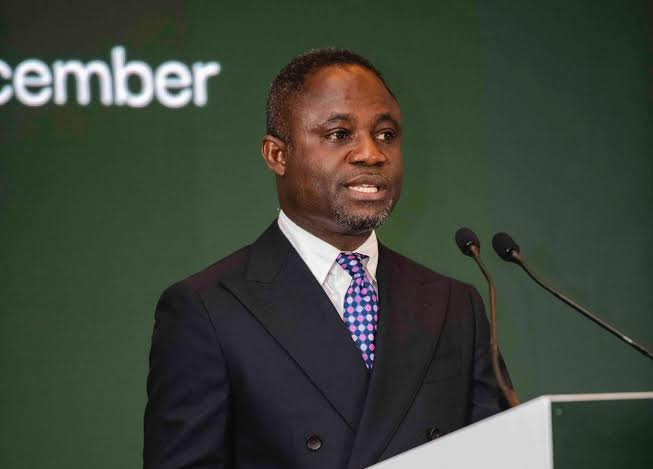
The government’s decision to uncap the National Health Insurance Scheme (NHIS) has made about GH¢4 billion available to support the health sector. The Minister of Health, Hon. Kwabena Mintah Akandoh, disclosed this in an interview, saying the money forms part of wider efforts by the Mahama administration to strengthen healthcare financing, improve service delivery and widen access to essential health services.
He said the release of these funds has raised NHIS allocations from about GH¢6.65 billion in 2024 to approximately GH¢10 billion in 2025, lifted scheme coverage from about 57 percent to 70 percent, and paved the way for free primary healthcare, now operating in 135 districts.
“One of the first decisions His Excellency the President took was the uncapping of the National Health Insurance. Before, the former regime was diverting resources meant for health to do other things, So His Excellency uncapped the National Health Insurance to bring those resources into the health sector, we had about GH¢4 billion.”
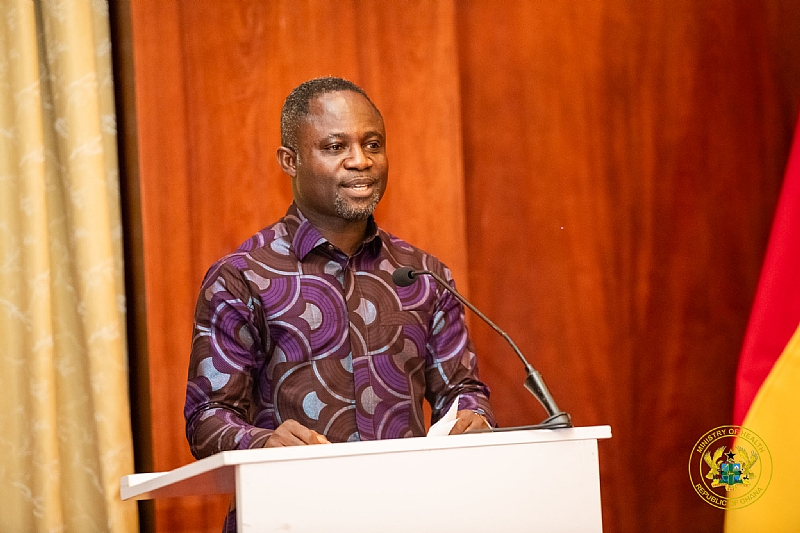
Minister of Health, Hon. Kwabena Mintah Akandoh
Hon. Akandoh said uncapping allowed funds previously diverted to other uses to be channelled into health. Funding allocated to the NHIS rose from about GH¢6.65 billion in 2024 to approximately GH¢10 billion in 2025.
He said the larger allocation places greater responsibility on the government to ensure the money is used effectively to improve access to healthcare.
Funding for Scheme Rises
The Minister attributed a better record of paying healthcare providers to the release of funds after uncapping. Under the earlier arrangement, he said, delays were common, but Releases now arrive on schedule.
“After the uncapping, the releases are going on time. These days, it is the National Health Insurance that will call service providers: ‘Bring your claims and let’s pay you,’”
Minister of Health, Hon. Kwabena Mintah Akandoh
Hon. Akandoh said NHIS coverage has risen from about 57 percent when the current administration took office to approximately 70 percent. He urged Ghanaians to enrol in the scheme in order to access covered services beyond the primary healthcare level.
Free Primary Healthcare
The Minister said the government is pursuing broader reforms, including the rollout of free primary healthcare, which he described as critical to achieving universal health coverage.
About 80 percent of healthcare needs, he said, can be met at the primary level, which makes investment there particularly important. The programme covers preventive and curative services at Community-based Health Planning and Services (CHPS) compounds, health centres and polyclinics.
It was launched in April 2026 and is operating in 135 districts, with services available at about 4,500 health facilities, he said.
“At these levels, when you are sick, and you go to the health centre or the CHPS compound, you don’t need the National Health Insurance card before you are treated.”
Minister of Health, Hon. Kwabena Mintah Akandoh
Hon. Akandoh clarified that although patients receive the services free of charge, the government reimburses health facilities for the cost of treatment. Whatever services the facilities render, he said, the government pays for.
The government had targeted 150 districts for the programme in 2026, the Minister said. It is working towards extending the service nationwide by the end of 2027.
He explained that free primary healthcare does not automatically cover services at district, regional and teaching hospitals. At those levels, patients must rely on their NHIS coverage or pay out of pocket.
Stronger Focus on Prevention
Hon. Akandoh noted that government is also strengthening preventive healthcare through community outreach, screening and public education. The initiatives include screening for high blood pressure, high blood sugar and some cancers.
Health professionals will be mobilised to visit homes, schools and marketplaces to educate the public on disease prevention and to carry out screenings.

The Minister said the reforms are intended to complement one another. Better financing, wider access to essential services and lower costs for patients are meant to reinforce each other.
He said the extra resources available through uncapping, the expansion of free primary healthcare and the push on prevention all point towards the same goal, a health system that more Ghanaians can use without financial hardship
READ MORE: Labour Ministry Urges Stronger Pension Management for Healthcare Workers