
United Kingdom’s unemployment rate has fallen to its lowest level in more than a year, even as job vacancies continue to decline, highlighting a mixed recovery in the labour market ahead of the government’s upcoming Budget.
Figures released by the Office for National Statistics (ONS) show that unemployment fell to 4.7% in the three months to August 2026, its lowest level since July 2025.
However, vacancies dropped by 21,000 in the three months to September to 691,000, marking their lowest level in more than five years.
The figures represent the latest official assessment of the labour market before the Budget, with economists suggesting that the decline in unemployment and improving employment levels indicate signs of recovery, despite continued weakness in hiring.
David Freeman, Deputy Director of Labour Market Statistics at the ONS, described the labour market as “broadly flat,” noting that employment had edged up alongside a small reduction in unemployment.
“The number of workers on payroll remains slightly down over the same period, though data for the most recent month suggests that might be starting to level off.”
David Freeman
Vacancies Decline as Businesses Face Rising Employment Costs
The fall in vacancies has raised concerns about the willingness and capacity of businesses to recruit, particularly among smaller firms facing mounting operating expenses.
According to the ONS, the number of available positions declined by 21,000 in the three months to September, with construction recording the largest decrease.
According to David Freeman, the latest figures represent the biggest fall in vacancies since the beginning of the year.
“The number of vacancies has seen its largest fall since the start of the year, concentrated mainly within smaller businesses, which cite increased labour costs as a key factor.”
David Freeman
Employers have pointed to higher National Insurance contributions and increases in the minimum wage as factors making recruitment more expensive. Energy costs have also risen since the Iran war began, adding to the financial pressures confronting businesses.
The figures have renewed attention to the impact of employment costs on hiring decisions, with Conservative Shadow Chancellor Andrew Griffith arguing that businesses are struggling to afford additional workers.
“This is what happens when you attack employers, tax jobs, and put up red tape,” he added.
Despite the decline in vacancies, earnings data offered a more positive picture for workers. Average earnings excluding bonuses rose by 3.7% in the three months to August, up from 3.5% in the previous reporting period. After accounting for inflation, wages increased by 0.8% in real terms.
The combination of rising real wages and declining vacancies points to an uneven labour market recovery, with improvements in workers’ earnings yet to translate into stronger recruitment activity.
Youth Unemployment Remains a Major Concern
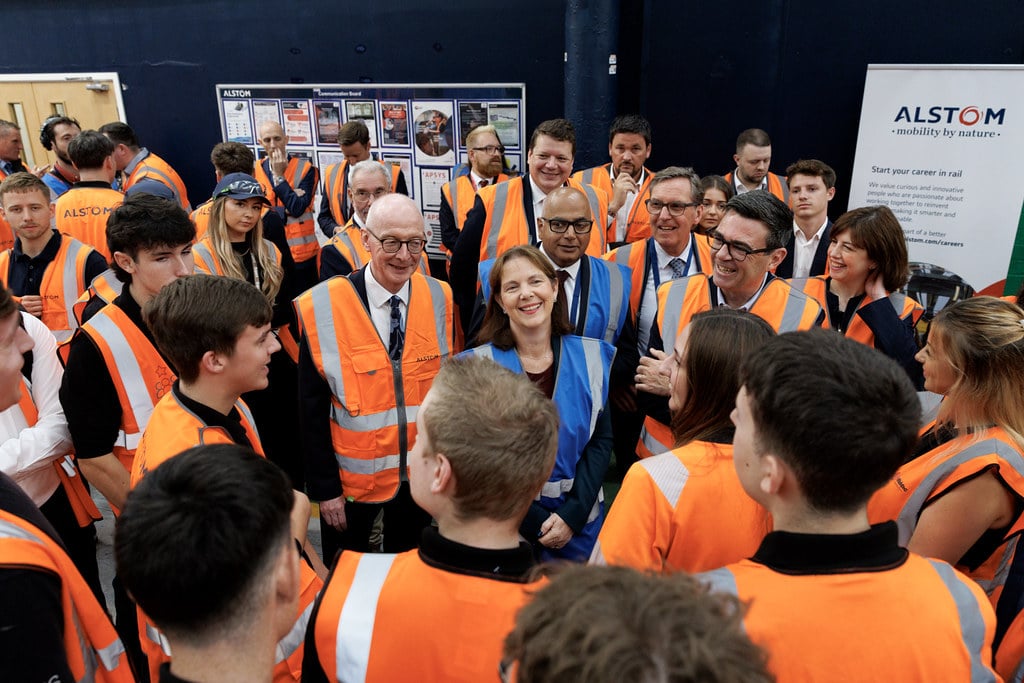
Although the overall unemployment rate declined, young people continue to face significant difficulties entering the labour market.
The latest ONS figures put unemployment among people aged 16 to 24 at 15.6% in the June to August period, down from 16.4% in the March to May quarter but above the 14.6% recorded during the same period last year.
UK Prime Minister Andy Burnham warned earlier that the country faces an “economic catastrophe and moral failure” because of persistently high youth unemployment.
Work and Pensions Secretary Pat McFadden, meanwhile, described the latest figures as evidence of the labour market’s resilience, noting that the UK’s employment rate was the third highest in the G7 despite global uncertainty.
However, he acknowledged that “too many young people still find themselves locked out of employment.”
The government is working with industry to bring young people back into the labour market and prevent them from drifting into the welfare system, McFadden added.
On the other hand, Economists have offered a cautiously positive assessment of the latest figures, pointing to the decline in unemployment and stabilisation in some areas of the labour market while warning that recruitment could remain subdued.
Ashley Webb, senior UK economist at Capital Economics, described the fall in unemployment as “unexpected,” adding that it suggested the labour market “continues to recover.”
However, he cautioned that hiring would likely remain weak because businesses’ energy costs were expected to decline only gradually.
READ ALSO: Petroleum Hub Faces Land, Compensation and Financing Test