Ghana’s Petroleum Hub project faces a critical implementation test as Energy and Green Transition Minister Dr John Abdulai Jinapor prepares to lead inter-ministerial engagements to resolve outstanding land acquisition, compensation and financing issues that could delay construction.
The planned discussions with the Ministries of Finance and Lands and Natural Resources, alongside the Attorney-General’s Office, are intended to address obstacles confronting the Petroleum Hub Development Corporation (PHDC) as it works to advance Lot 2 of the project with an investment consortium led by Global Sphere of the United Arab Emirates.
The commitment comes as Ghana pursues a proposed refinery with a capacity of 300,000 barrels per stream day, two petrochemical plants, storage infrastructure capable of holding four million cubic metres of petroleum products and a multi-berth jetty.
Although the partnership has been presented as a step towards establishing a major petroleum and industrial hub in West Africa, the outstanding issues underline the gap between securing investor interest and preparing a project for construction.
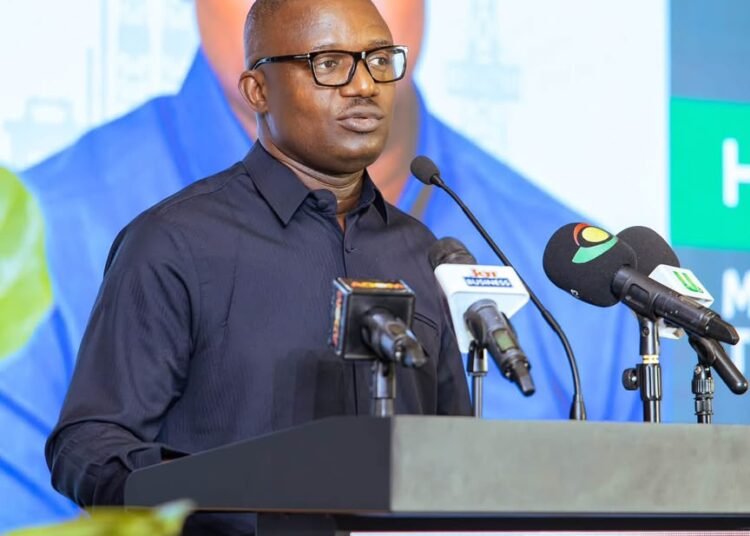
Jinapor acknowledged that investor participation must be matched by government action to remove implementation barriers, pledging to work with PHDC to meet the State’s obligations and move the project beyond agreements.
“You have my full support. I will engage the Minister of Finance and the Attorney-General. I will also bring on board the Minister of Lands and Natural Resources so that, together, we can guide this project and provide the necessary backing,”
Government Coordination Becomes the Immediate Priority
The planned inter-ministerial intervention places responsibility for resolving the project’s immediate bottlenecks across several government institutions.
Land acquisition and compensation can determine whether developers gain access to project sites, while financing arrangements establish whether the proposed facilities can progress from plans to construction.
Legal and administrative issues can also affect the pace at which project agreements and government commitments are implemented.
Jinapor’s pledge to coordinate the relevant ministries suggests that the next stage will require more than continued engagement with investors. Government institutions will need to settle outstanding obligations and establish a clear path towards implementation.
The development also illustrates why the signing of a memorandum of understanding should not be treated as equivalent to financial close or the commencement of construction.
An MoU can establish a framework for cooperation, but delivery depends on the agreements, approvals, funding and site preparations needed to execute the project.
For Ghana’s energy sector, the distinction matters because the Petroleum Hub’s proposed scale makes delays potentially consequential for the wider industrialisation agenda attached to it.
PHDC Wants to Move Beyond Agreements
PHDC Chief Executive Officer Dr Toni Aubynn described Jinapor as a consistent supporter of the project and said implementation had become a priority for the Corporation in 2026.
Aubynn said the objective was to develop the hub into a strategic national asset capable of strengthening energy security, creating employment and reducing Ghana’s exposure to external economic shocks, including disruptions associated with geopolitical tensions in global energy markets.
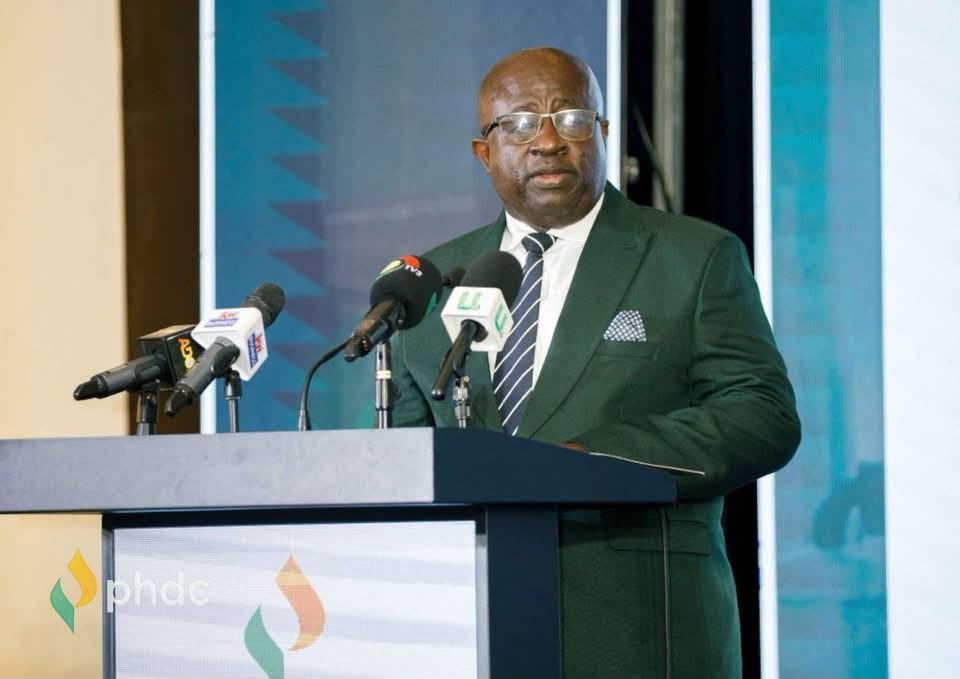
“We believed that the groundwork had been laid, that the partnerships were within our reach, and that the time had come to move from boardroom plans on paper to progress on the ground,”
The statement captures the central challenge confronting the project: turning institutional preparation and investor interest into physical development.
The planned refinery and associated facilities could expand Ghana’s petroleum-processing, storage and trading capacity, while the petrochemical component could create opportunities for industrial activity linked to petroleum feedstocks.
However, those potential benefits depend on the project’s ability to secure financing, obtain access to the required land and establish commercially workable arrangements for construction and operations.
The government’s intervention will therefore be important not simply because it signals political support, but because it seeks to resolve the administrative and financial questions that stand between the partnership and implementation.
Five-Year Timeline Faces an Early Test
Under the proposed Lot 2 development, the consortium is expected to deliver the refinery, two petrochemical plants, storage facilities and multi-berth jetty within five years. On-site activities in Jomoro are scheduled to begin in the first quarter of 2027.
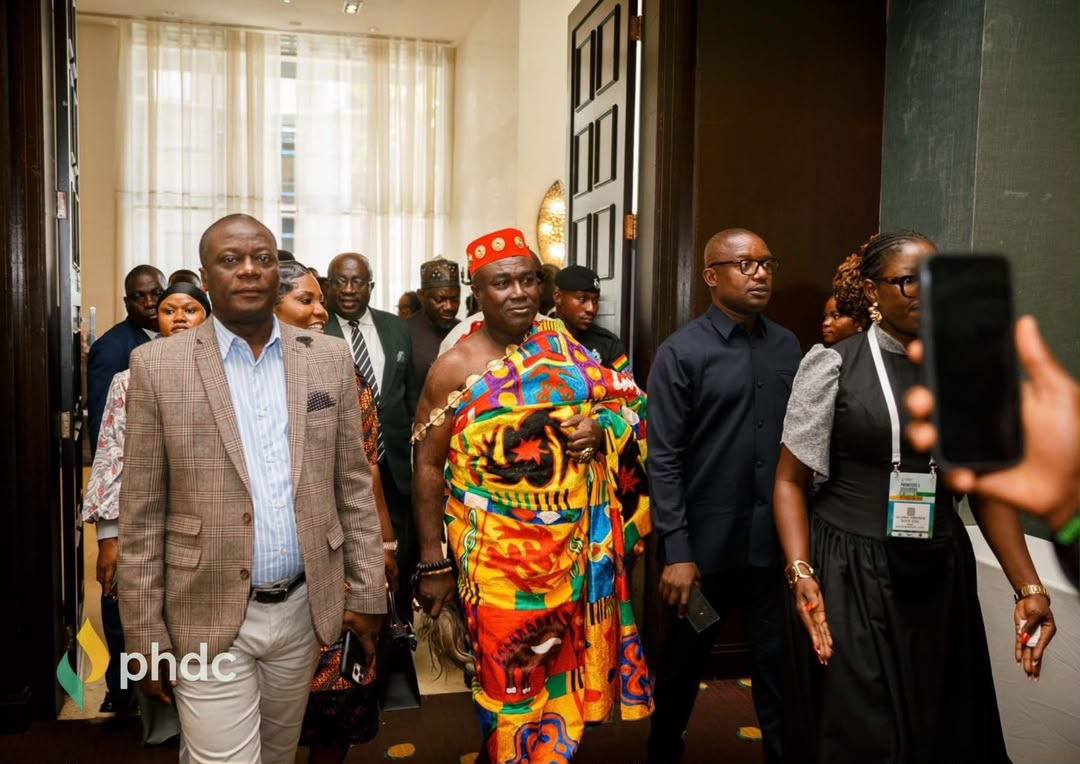
That timetable makes the resolution of outstanding issues particularly important. Land access, compensation and financing are not peripheral administrative matters; they can influence when construction begins, how contractors are mobilised and whether the project remains on schedule.
The announced start date should therefore be assessed alongside evidence of progress on these prerequisites. The planned first-quarter 2027 site activities will be a significant milestone, but the source material does not establish that all land, compensation or financing arrangements have been completed.
The inter-ministerial discussions could help establish the sequence of decisions and responsibilities required to prepare the site and advance implementation.
Their effectiveness will ultimately be measured by whether unresolved issues are settled and the project moves into verifiable construction activity.
Energy Security Depends on Commercial Delivery
The Petroleum Hub has been framed as part of Ghana’s ambition to strengthen energy security, attract investment and expand the economic value generated by its petroleum sector.
Its potential contribution extends beyond refinery capacity. Storage and marine facilities could support petroleum trading, while petrochemical production could create opportunities for additional industrial value chains.
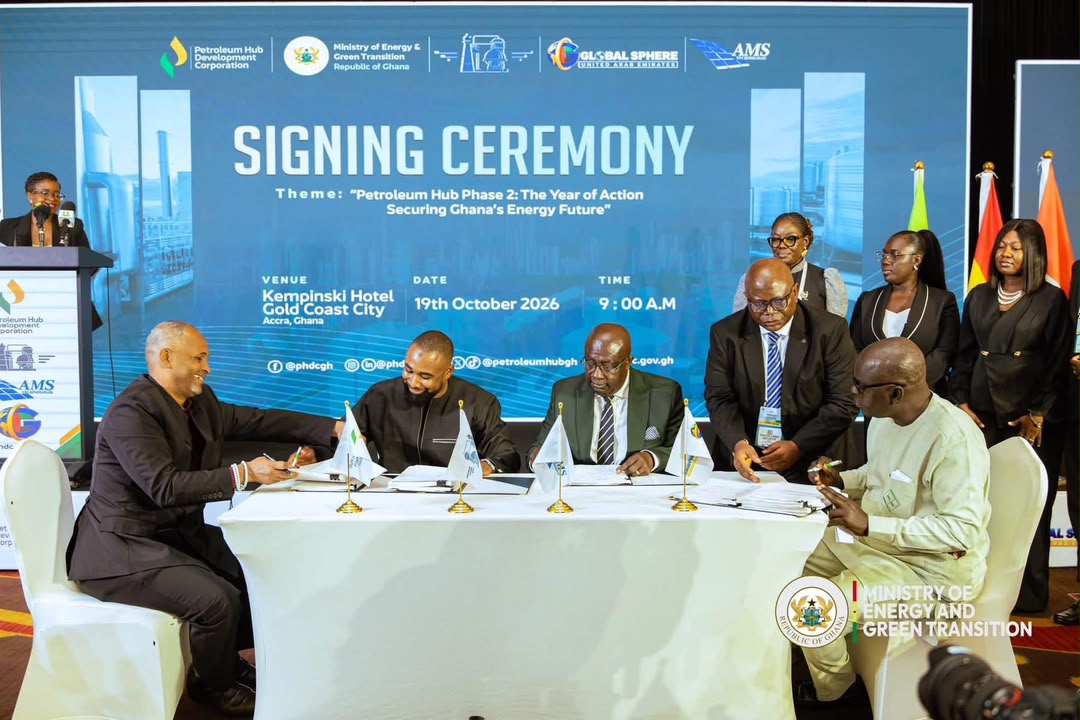
Yet these outcomes will depend on competitive operating costs, reliable feedstock supplies, access to markets and a financing structure capable of supporting a development of this scale.
The project could strengthen Ghana’s position in regional petroleum trade, but infrastructure alone does not guarantee lower fuel costs, reduced exposure to external shocks or the creation of sustainable employment.
Those benefits will depend on how the facilities are financed, operated and integrated into the domestic and regional economy.
Jinapor’s pledge to bring the relevant ministries together is therefore an important step in addressing the project’s immediate obstacles, but it is not evidence that those obstacles have already been resolved.
The next test for PHDC and the government will be whether the proposed engagements produce concrete decisions on land, compensation and financing in time to support the planned construction schedule.
For the Petroleum Hub, the measure of progress is shifting from the partnerships announced to the conditions required to build.
READ ALSO: President Mahama Targets Northern Infrastructure Investment