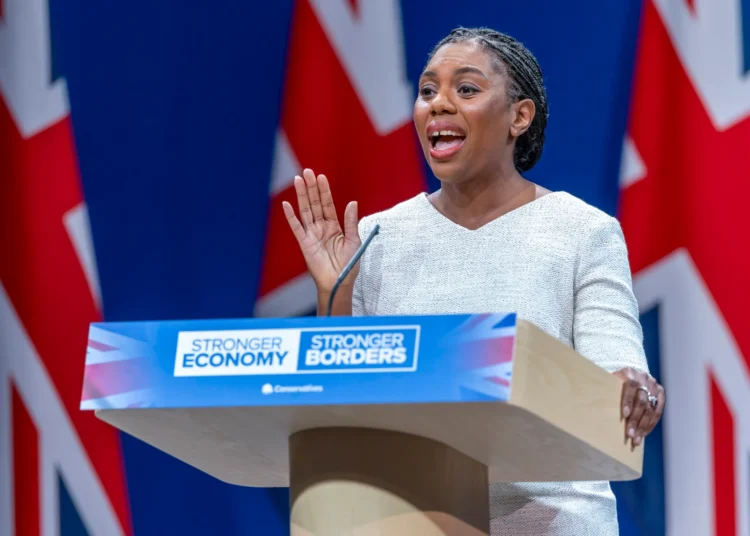
Conservative leader Kemi Badenoch has challenged Labour’s resolve to implement the spending cuts she considers necessary to reduce Britain’s debt and strengthen defence funding, as political parties sharpen their economic positions ahead of the 28 October Budget.
Speaking in Central London, the Conservative Leader criticised Chancellor John Healey’s anticipated tax and spending plans, arguing that the government is delaying difficult decisions while relying on measures she described as insufficient to address the country’s fiscal challenges.
According to Kemi Badenoch, “cuts are never easy, but they are much easier to accept if what you are doing is fair.”
The Budget will be the first since Andy Burnham became Prime Minister, with the government facing pressure over public borrowing, debt-servicing costs and plans to increase defence spending.
Badenoch Proposes £70bn Savings as Debt Pressures Mount

Kemi Badenoch argued that Labour’s approach to public finances would leave the government struggling to deliver meaningful spending reductions before the next general election.
She accused the chancellor of preparing a Budget that would avoid the difficult choices required to address Britain’s debt burden.
“If Labour’s plan is to kick tough decisions into the long grass, come out with tiny bits of micro-policy, put up a few taxes, spend a bit more on welfare, and hope nobody notices before the next election, they are kidding themselves.”
Conservative leader, Kemi Badenoch
The Conservative leader also questioned the credibility of Labour’s longer-term spending plans, arguing that the government would be unlikely to implement substantial cuts in 2029, when it would be approaching another election.
“They are not suddenly going to find the courage to cut spending in the final year of a Parliament right before an election. Investors aren’t buying these fictional cuts either.”
Conservative leader, Kemi Badenoch
Meanwhile, the latest figures show government borrowing reached £18.3 billion in August, while debt interest payments stood at £8.8 billion, the highest level since records began in 1997.
She also challenged the significance of recent praise from the International Monetary Fund (IMF) for the UK’s plans to reduce borrowing, arguing that the assessment did not adequately account for Labour’s political constraints.
“The IMF clearly don’t know this Labour Party like I do,” she added.
Tax Relief and Welfare Cuts Test Economic Fairness
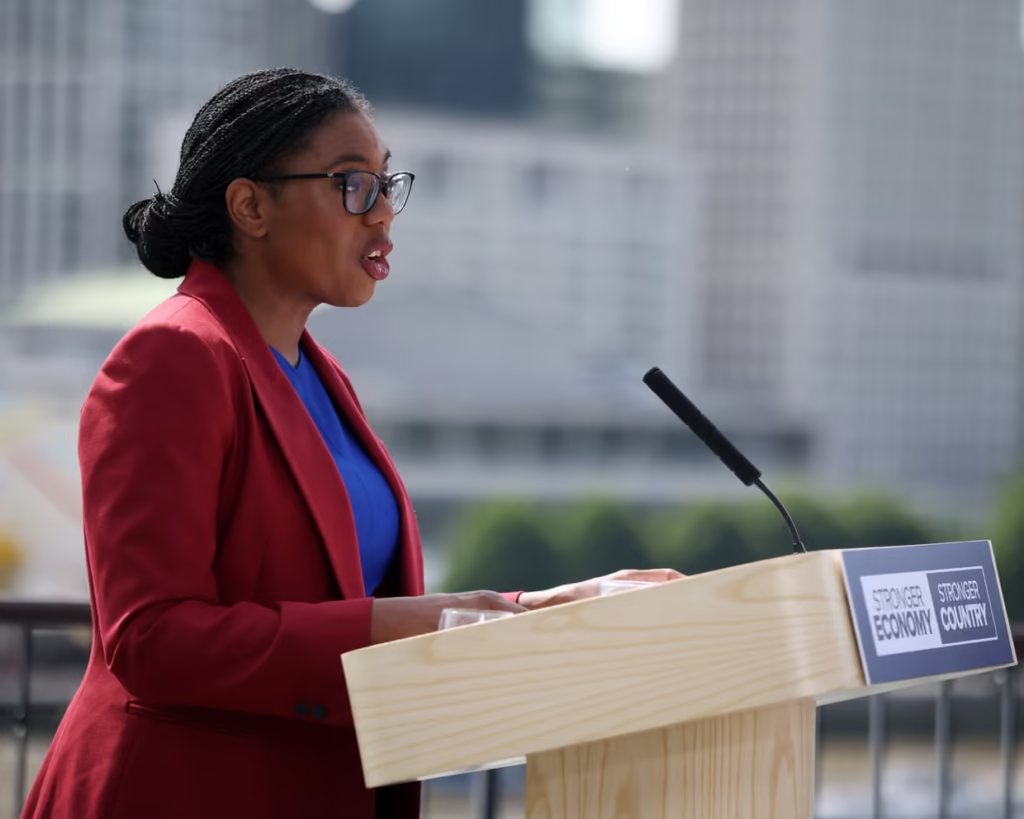
Also, Kemi Badenoch defended the proposed spending reductions as a matter of fairness to taxpayers, future generations and people who genuinely require public support.
“Fair to taxpayers, fair to future generations, and fair to those who really do need support,” she stated.
The Conservative proposals include reducing welfare expenditure and encouraging more people to move into employment.
“Quite frankly, getting people off welfare is doing something for them; the best welfare is a well-paying job.”
Conservative leader, Kemi Badenoch
The party has also announced plans to abolish inheritance tax on family homes, allowing couples to pass on up to £1 million tax-free, and remove a rule that prevents parents in England earning more than £100,000 annually from receiving certain childcare support.
Labour, however, challenged the fairness of the Conservative proposals. Party chairperson Bridget Phillipson described Badenoch’s approach as “reverse Robin Hood politics giving tax breaks to the wealthiest while offering nothing to ordinary people.”
“Labour has taken the fair decisions to reverse the Conservatives’ decline. The economy is growing, interest rates have fallen, and private investment has returned.”
Conservative leader, Kemi Badenoch
She added that the government is working to ease the cost-of-living burden and deliver practical improvements to people’s daily lives.
Defence Funding and Bank Tax Proposals Add to Budget Pressure
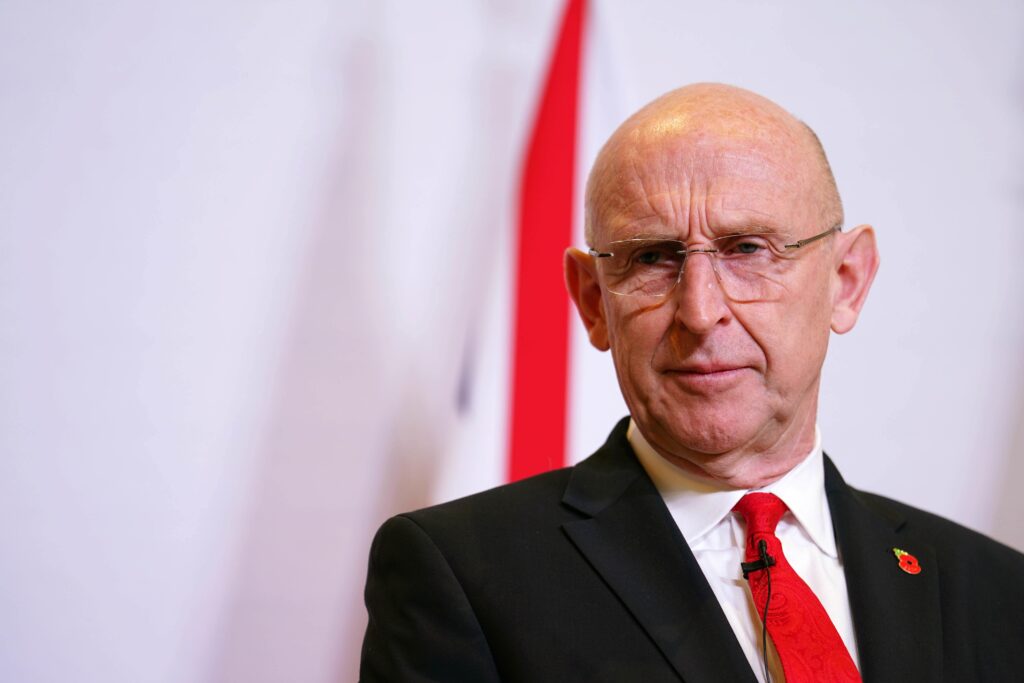
In addition, John Healey is facing pressure to explain how UK will raise defence spending to 3% of national income by 2030. However, an announcement on the funding plans is not expected until the government’s spending review next year.
The Budget is also unlikely to set out changes to the welfare system, with those decisions expected after former Cabinet Minister Alan Milburn completes his review into young people and work.
Meanwhile, trade unions and the Liberal Democrats have urged the government to consider a windfall tax on banks, arguing that lenders should contribute more after reporting substantial profits in recent years.
READ ALSO: Ghana’s Upstream Industry Faces Local Capacity Test