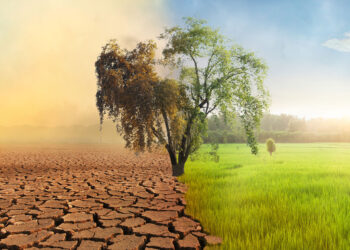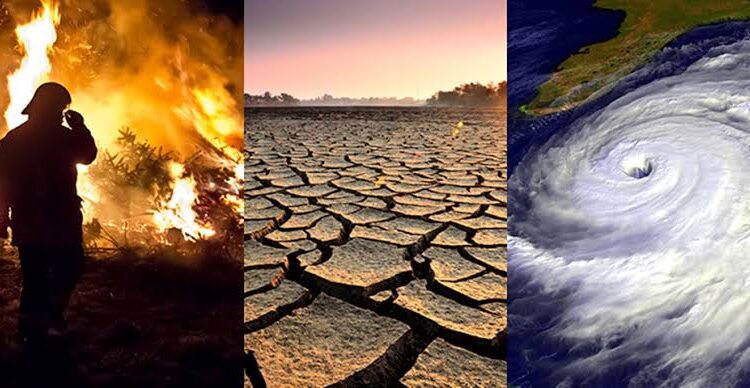
The World Meteorological Organization (WMO) has urged decisive action to protect vulnerable communities as the current El Niño event threatens to reach unprecedented strength, increasing the risk of worsening drought, flooding and extreme heat across several regions.
According to the UN weather agency, the event is expected to peak towards the end of the year, with its effects likely to persist long after the peak.
WMO Secretary-General Celeste Saulo stated that “a powerful El Niño does not have to be a recipe for humanitarian disaster.
“We have the science, the forecast, the early warnings to save lives and protect livelihoods. What we need now is decisive action, especially to protect the most vulnerable communities.”
Celeste Saulo
The agency stressed that timely use of climate information and early-warning systems would be critical to preventing extreme weather conditions from escalating into humanitarian emergencies.
El Niño Raises Flooding and Drought Risks Across Regions
WMO’s latest outlook points to heightened risks of heavy rainfall and flooding in parts of East Africa during the October–December rainy season, while drier conditions are expected to affect Southern Africa from November, threatening agricultural production, water availability and local livelihoods.
The anticipated conditions are poised to deepen existing vulnerabilities in communities dependent on rain-fed agriculture and other climate-sensitive activities. Flooding in East Africa could also place additional pressure on settlements, infrastructure and essential services as the rainy season progresses.
Elsewhere, Southeast Asia faces risks associated with extreme heat, rainfall deficits, wildfires and smoke. Parts of western South America have already experienced severe flooding, while drought risks are increasing in parts of Central America, the southern Caribbean and the Amazon.
The World Meteorological Organization warned that a very strong El Niño can disrupt normal temperature and rainfall patterns across wide geographical areas, producing contrasting hazards depending on the region. Extreme events already being observed could multiply and trigger cascading effects as the climate phenomenon intensifies.
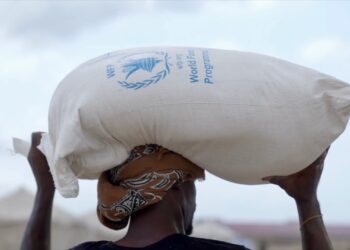
These developments pose particular concerns for refugees, displaced people and populations living in conflict-affected areas, where housing, water, sanitation and healthcare systems are often already under pressure.
“The window for preparedness is still open in many regions. Extreme weather conditions do not need to translate into humanitarian emergencies or into casualties, but this window will not remain open indefinitely.”
Celeste Saulo
However, WMO noted that seasonal outlooks indicate broad regional tendencies rather than predicting individual weather events. Regional and national forecasts, supported by expert interpretation, are therefore necessary to identify where and when preventive measures should be implemented.
WMO Mechanism Links Climate Science to Humanitarian Response
To translate climate forecasts into practical humanitarian action, WMO and OCHA are promoting coordinated preparedness through the WMO Coordination Mechanism (WCM), a key component of the Early Warnings for All initiative.
The mechanism provides crisis-prone and conflict-affected regions with timely expert advice and situational awareness by bringing together authoritative weather, climate and water information from WMO members and centres.
Working with United Nations agencies and humanitarian partners, WCM develops tailored information products to support planning, early action and emergency response. It also strengthens the capacity of humanitarian organisations to interpret and use scientific information in operational decisions.
Its services include weekly global and regional hydrometeorological scans, alongside monthly climate briefings and assessments. Previous applications have supported humanitarian operations ahead of Extremely Severe Cyclonic Storm Mocha in Myanmar and Bangladesh in 2023, as well as response efforts following the 2025 earthquake in Myanmar.
The mechanism is now working with partners to support preparedness and early action in response to El Niño.
Yi Wang, Chief of Severe Weather Services and WCM lead at WMO, explained that “since 2022, WCM has delivered more than 750 tailored products, supporting humanitarian situational awareness, preparedness and early action.”
He added, “together, we can help turn authoritative information into earlier action, better preparedness and more resilient communities.”
Also, Véronique Bouchet, Senior Director of WMO’s Department of Sciences, Services and Capacity Development, indicated that evolving hazards disproportionately affect displaced and crisis-affected populations, making reliable and timely information essential.
She described WCM as an important part of WMO’s contribution to Early Warnings for All, emphasising the need to develop services jointly with humanitarian stakeholders so that the information provided meets their operational and planning requirements.
Ian Lisk, President of SERCOM, similarly stressed that climate and weather services must reflect how users make decisions and what they need to act effectively. He described WCM as a bridge between scientific expertise and humanitarian response, supported by National Meteorological and Hydrological Services (NMHSs) and WMO centres.
Marian Schilperoord, Deputy Director of the UN Refugee Agency’s Division of Emergency and Programme Support, and John Long, Head of OCHA’s Emergency Response Preparedness Unit, also highlighted the importance of cooperation between meteorological institutions and humanitarian organisations in strengthening preparedness.
WMO officials have emphasised that sustaining and expanding the coordination mechanism will require broader participation, continued engagement with users, adequate resources and stronger institutional capacity.
READ ALSO: Energy Commission Demands Answers Over Recurring Power Outages