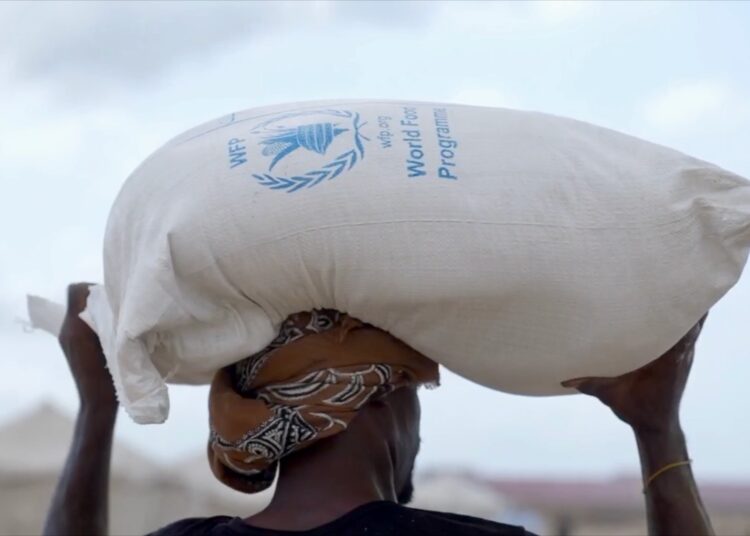
United Nations World Food Programme (WFP) has cut food assistance in Gaza by about a third, leaving 500,000 fewer people receiving critical humanitarian support as funding shortages threaten fragile improvements in food security ahead of winter.
The agency announced that it has reduced the number of people receiving food and cash assistance from 1.6 million in September to 1.1 million this month.
“For the past three years, WFP’s food assistance has provided a lifeline for up to 90 percent of families in Gaza. Since the ceasefire was announced in October 2025, the agency has been reaching around 1.6 million people every month with food parcels, wheat flour, bread, hot meals, nutrition support, school snacks and cash assistance. WFP no longer has sufficient funding to sustain this level of support.”
World Food Programme
The agency now requires $450 million to sustain critical operations in Gaza and the occupied West Bank over the next six months, from October 2026 to March 2027.
WFP Reduces Food Rations and Hot Meals
The latest funding shortfall has forced the WFP to reduce several forms of assistance, affecting food parcels, wheat flour, community kitchen meals and cash transfers for vulnerable Palestinian households.
Families receiving food assistance will now receive one food parcel instead of two, alongside a smaller bag of wheat flour. The number of people receiving food parcels and ration boxes is also expected to fall from 1.1 million to 600,000 each month.
The agency has reduced the number of hot meals distributed daily through community kitchens from 250,000 to 150,000. Families in hard-to-reach areas, including communities near the Yellow Line demarcating Israel’s area of military control, will receive meals every other day rather than daily.
Cash assistance has also been reduced for 75,000 families, following earlier cuts to transfers that have affected hundreds of thousands of people and weakened their ability to purchase food from local markets.
The reductions have heightened concerns among displaced families who rely on community kitchens for some of their daily meals.
WFP Palestine Director Shaun Hughes stressed that the cuts were driven by financial constraints rather than declining humanitarian needs or an inability to deliver assistance.
The agency indicated that it could still support bakeries supplying about one-third of Gaza’s bread needs, provide nutrition assistance to 300,000 women and children, and distribute healthy school snacks to 200,000 children.
Hunger Remains Widespread
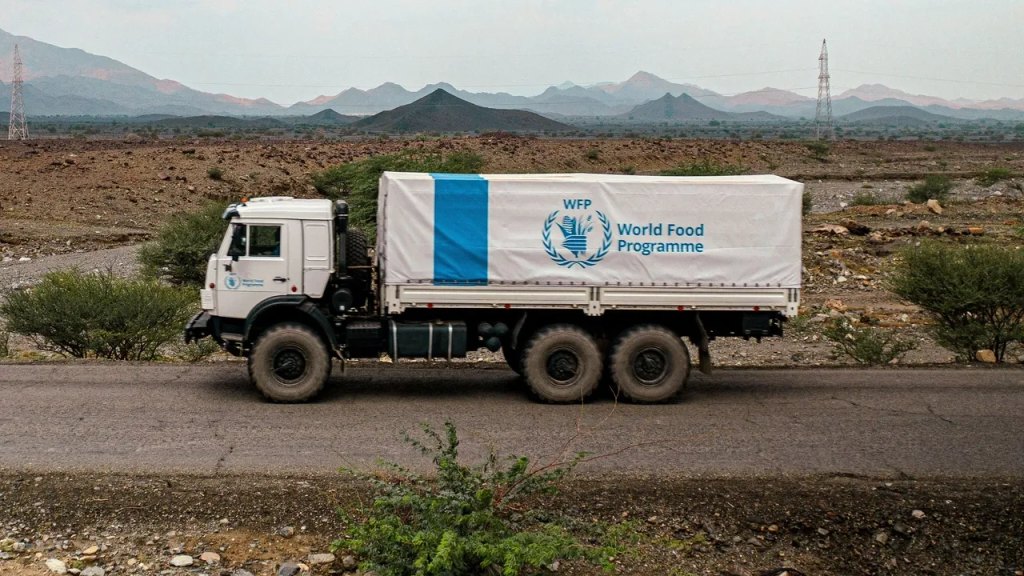
The reductions in assistance come as a significant proportion of Gaza’s population continues to experience acute food insecurity.
According to the WFP, approximately 1.4 million people, representing 67% of Gaza’s population, are experiencing crisis-level food insecurity or worse under the Integrated Food Security Phase Classification (IPC) system.
The figure marks a decline from 1.6 million people, or 77% of the population, at the end of 2025. However, the agency cautioned that the improvement remains limited and vulnerable to renewed deterioration.
Around 200,000 people remain in Emergency conditions, classified as IPC Phase 4, where immediate food assistance is required to prevent deaths from hunger.
The nutritional situation among children also remains concerning, with only one in five children consuming a sufficiently diverse diet. Limited access to healthcare, clean water, sanitation, and hygiene services continues to compound the difficulties facing vulnerable households.
More than 80% of people in Gaza are unemployed, leaving many families unable to afford fresh produce and protein-rich foods even when these are available in local markets.
Although food availability has improved following increased humanitarian access, the ability of households to purchase supplies remains severely constrained. Continued displacement and the absence of significant reconstruction have further limited prospects for economic recovery.
Funding Crisis Threatens Humanitarian Operations Across Palestine
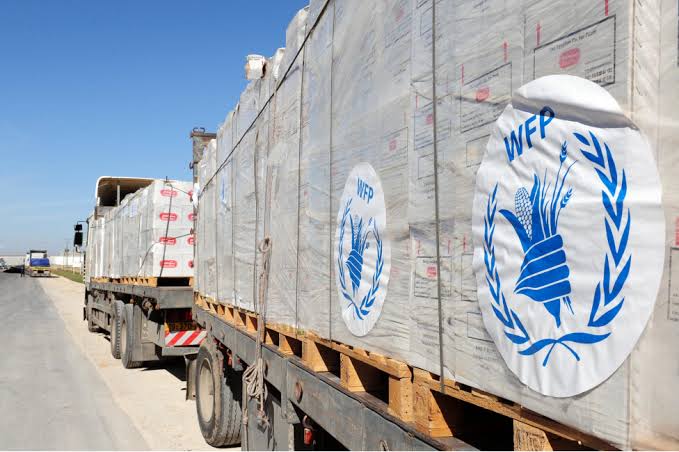
The WFP’s funding difficulties extend beyond Gaza, with financial constraints also forcing reductions in assistance to Palestinians in the occupied West Bank.
In September, the agency halved the number of people receiving assistance in the territory from 400,000 to 200,000. It has attributed rising food insecurity there largely to increased Israeli settler violence and Palestinian displacement.
Across its Palestine operations, the WFP received less than half the funding in 2026 that it had secured in previous years, leaving it struggling to maintain the scale of assistance required by vulnerable communities.
The agency’s appeal for $450 million over the next six months is intended to sustain critical food assistance and other operations in Gaza and the West Bank.
Without the additional resources, further reductions could place more households at risk as temperatures fall and humanitarian needs remain high.
Meanwhile, the funding shortfall threatens to undermine the progress made since the ceasefire, when improved access and increased deliveries helped ease some of the most severe food shortages.
READ ALSO: CDD-Ghana Sets Three Tests for Constitutional Reform Success