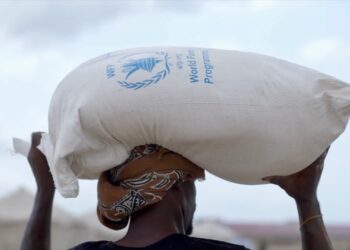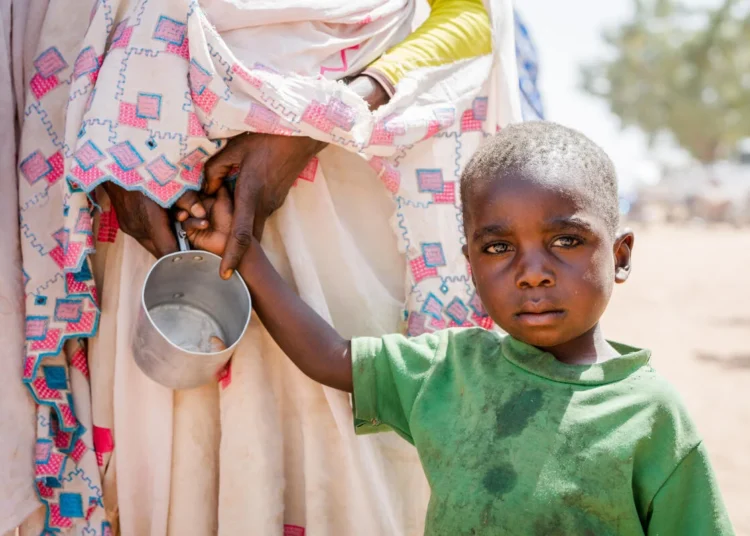
The Food and Agriculture Organization of the United Nations (FAO) and the United Nations World Food Programme (WFP) have issued a stark warning that acute food insecurity is expected to worsen dramatically for millions of people across some of the world’s most vulnerable countries in the coming months, with conflict, economic shocks, disease outbreaks and climate-related threats pushing entire communities closer to catastrophe.
A recent Hunger Hotspots report by United Nations agencies warns that food insecurity is expected to worsen in 13 countries between June and November 2026.
According to the report, millions of people might be driven into emergency hunger, with some places risking true famine if prompt international assistance is not provided. It shows a concerning development of food crises in regions of Africa, the Middle East, and Asia, emphasising the increasing strain on already vulnerable populations.
FAO Deputy Director-General Beth Bechdol stated that the warning signs are already evident, and that the international community has an opportunity to act before the situation worsens.

“The challenge is whether we act early enough and at the necessary scale. When farmers cannot plant, herders lose their animals and markets are disrupted, food insecurity deepens quickly.
“Early investment in emergency agricultural assistance and resilience is one of the most cost-effective ways to protect livelihoods, sustain local food production and reduce future humanitarian needs.”
Beth Bechdol
At the centre of the warning are Sudan, South Sudan, Yemen and Palestine, which have been identified as the world’s most critical hunger hotspots due to the scale and severity of food shortages.
Nigeria has now joined this category after projections indicated that populations in Borno State could face catastrophic levels of hunger, while Somalia remains under close watch amid growing fears of famine in parts of the country.
The report comes at a time when humanitarian agencies are facing severe financing difficulties. According to the study, financial support for food aid, emergency agriculture programs, and nutrition initiatives in crisis-affected countries has decreased by an estimated 59% between 2022 and 2025.
This drop has brought humanitarian aid back to levels seen nearly a decade ago, despite the fact that the number of people facing extreme food insecurity is increasing.
Today, approximately 266 million people across the identified hunger hotspots are experiencing high levels of acute food insecurity, a figure that underscores the widening gap between humanitarian needs and available resources.
Meanwhile, armed conflict remains the primary cause of famine in 12 of the 13 nations mentioned in the report. Ongoing conflict has disrupted food production, destroyed livelihoods, displaced populations, and limited humanitarian access. Economic instability, rising food prices, and El Niño-related harsh weather are all contributing to these difficulties.
The report also points to emerging shocks that are worsening humanitarian conditions in several countries. These include the continuing ripple effects of conflict in the Middle East and the resurgence of Ebola in eastern Democratic Republic of the Congo (DRC), both of which threaten to disrupt markets, livelihoods and aid operations.

WFP Acting Executive Director Carl Skau stated that, “the warnings in this report cannot be ignored.”
“Conflict, shocks, and disasters are forcing families to make impossible decisions about who gets to eat and who goes to bed hungry. Without action now, millions more are expected to face worsening levels of hunger in the months ahead, pushing some closer to famine.”
Carl Skau
He added,“our teams are ready to respond at speed and scale. We need resources to deliver food and access to reach people before hunger turns into catastrophe.”
Sudan and Nigeria Among Countries Facing Most Severe Hunger Threats
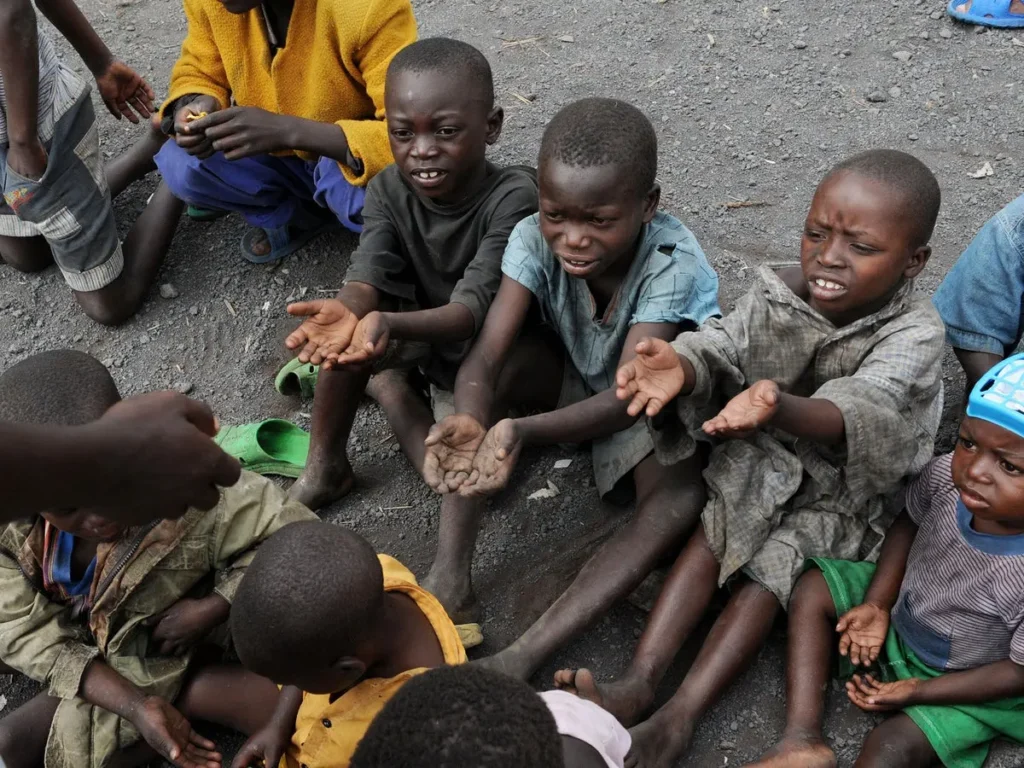
Among the countries mentioned in the report, Sudan remains one of the world’s most serious humanitarian crises.
The Food and Agriculture Organization of the United Nations (FAO) and the United Nations World Food Programme (WFP) warns that starvation threats have been found in several parts of North Darfur, South Darfur, and South Kordofan, with circumstances projected to last through the harvest season and into early 2027. Through May 2026, an estimated 19.5 million people, or 41% of Sudan’s population, were experiencing severe acute food insecurity.
The anticipated rise in the number of persons experiencing catastrophic hunger is especially concerning. According to the analysis, IPC Phase 5 Catastrophe conditions might affect about 200,000 individuals between June and September 2026, up from 135,000 during the prior assessment period.
In neighbouring South Sudan, food insecurity remains equally alarming. More than half of the country’s population around 7.8 million people is projected to face crisis-level hunger or worse, including approximately 73,000 people experiencing catastrophic conditions.
Yemen continues to rank among the world’s worst hunger crises, with earlier assessments indicating that more than 18 million people could face acute food insecurity. Millions remain trapped in conditions of severe deprivation after years of conflict and economic collapse.

Meanwhile, Nigeria’s inclusion among the highest-concern countries marks a significant development in the global hunger outlook. The report projects that around 34.8 million Nigerians could face severe food insecurity during the June-to-August period, including 1.8 million people in emergency conditions.
Particular concern surrounds Borno State, where approximately 15,000 people are projected to experience catastrophic hunger levels. The northeastern state has endured years of insecurity, displacement and economic disruption, factors that continue to undermine food production and humanitarian access.
Moreover, in Somalia, approximately six million people are projected to face severe food insecurity, while parts of Burhakaba District in Bay Region are now considered at risk of famine. Years of drought, conflict, poor harvests and broader regional instability have combined to create increasingly fragile conditions.
Elsewhere, Myanmar and Mali are expected to experience worsening conditions due to conflict and economic pressures, while Lebanon and Madagascar have been added to the list of hotspots following recent hostilities and adverse weather events respectively.
READ MORE: Ghana Begins WC Campaign Today Against Panama: Preview and Analysis