United Nations aid teams have warned that Somalia is facing a rapidly worsening humanitarian emergency, with at least six million people going days without enough food and nearly two million young children at serious risk of illness or death due to severe malnutrition.
The warning highlights a crisis that humanitarian authorities believe is worsening faster than expected, driven by a combination of prolonged drought, fragile infrastructure, and widening global disruptions affecting food and medical supply chains.
According to George Conway, the UN’s top aid official in Somalia, “the humanitarian context in Somalia is worsening faster than we originally projected and expected.”

“Children are paying the highest price. Nearly two million young children are acutely malnourished, meaning they’re dangerously undernourished and physically weakened, placing them at high risk of illness or death.”
George Conway
Conway added that “almost half a million are so severely malnourished that they require urgent treatment to survive.”
Aid agencies have indicated that, the crisis is not limited to food shortages alone but is increasingly being compounded by systemic pressures affecting health services, logistics, and the delivery of life-saving supplies.
Many healthcare facilities in affected regions are struggling to cope with rising demand, particularly for treatment linked to acute malnutrition.
United Nations Children’s Fund (UNICEF) has also warned that essential healthcare services in several areas are either unavailable or severely overstretched, particularly those needed to treat conditions associated with prolonged hunger and weakened immunity.
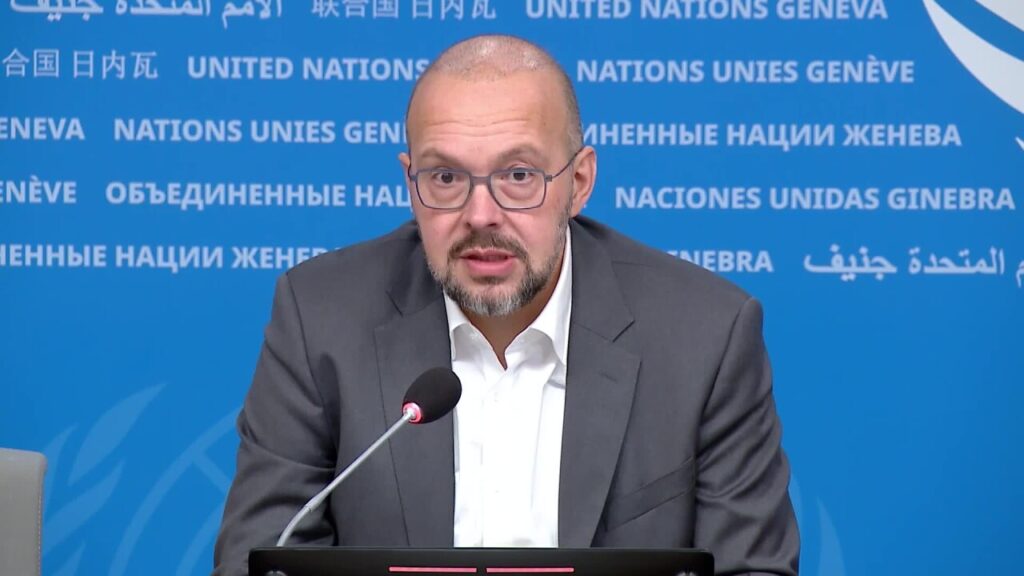
According to UNICEF spokesperson Ricardo Pires, global disruptions are playing a growing role in worsening conditions inside Somalia. “Due to all the disruptions that are happening in the Middle East,” he stated, supply chains for medical supplies and therapeutic food have become increasingly unstable, limiting the ability of aid organisations to respond effectively at scale.
The latest analysis from the Integrated Food Security Phase Classification (IPC) platform shows that nearly one in three people in Somalia is now facing critical food insecurity.
The IPC framework defines famine conditions as situations in which at least one in five households experience extreme food shortages, starvation, and destitution, alongside extremely high levels of acute malnutrition and mortality.
Soaring Fuel Costs and Drought Deepen Somalia’s Hunger Crisis
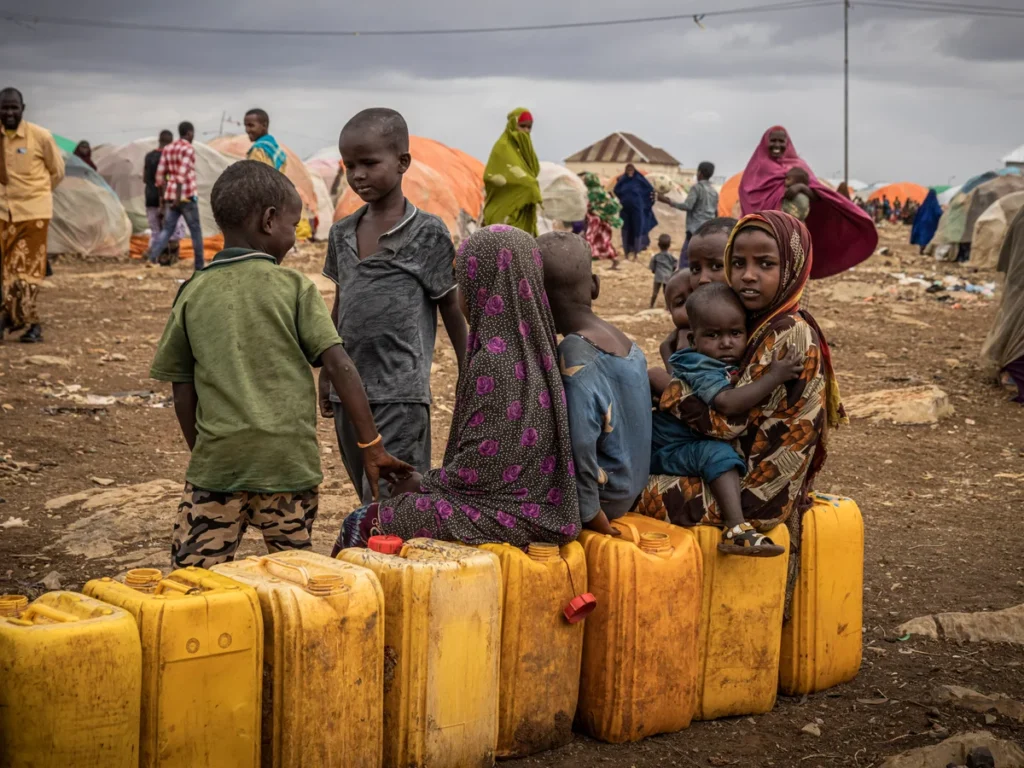
Somalia’s worsening hunger emergency is being driven by a damaging combination of prolonged drought and rising fuel prices, which are together undermining access to food, clean water, and life-saving humanitarian assistance across the country.
Since 2024, the Horn of Africa nation has been battered by repeated drought cycles that have destroyed crops, weakened livestock production, and pushed millions of families into near-total reliance on aid.
Although the current Gu rainy season, running from April to June, has brought some pockets of relief, rainfall has remained highly uneven and far too limited to reverse the broader humanitarian decline.
In many rural and semi-urban communities, the crisis has now expanded beyond food insecurity to a deepening water emergency. As rivers, wells, and traditional water points continue to dry up, families are increasingly dependent on water trucking systems to survive. But that lifeline is becoming harder to afford.
According to the UN’s top aid official in Somalia, “Given the drought situation and the drying up of water points, a lot of communities are reliant on water trucking.”

“And the cost of water trucking obviously increases with the crisis, with the cost of fuel. So, in some locations, we’ve seen water prices for water trucking triple over the course of the past month.”
George Conway
The surge in fuel prices is also disrupting the delivery of critical humanitarian supplies, particularly emergency nutrition programmes targeting severely malnourished children.
One of the most vital interventions is ready-to-use therapeutic food (RUTF), a high-nutrient paste designed to stabilise children at immediate risk of starvation.
UNICEF noted that maintaining consistent supplies has become increasingly difficult due to rising transport and logistics costs across the region.

“We have a factory in Nairobi that produces a lot of the RUTF that we provide for Africa and other countries, but Somalia is a specific case whereby moving these supplies by road is not as feasible.
“We depend on air freight and obviously with the fuel rising, the fuel prices rising so significantly, that cost will become very complicated for us to manage looking forward.It’s a matter of life or death for them.”
Ricardo Pires
Humanitarian agencies are now warning that without urgent and sustained international funding, improved humanitarian access, and stabilised supply chains, the crisis could quickly escalate into a far more severe catastrophe.
READ ALSO: Ghana Seals Historic IMF Exit, Transitions to a Non-Financing Technical Assistance PCI