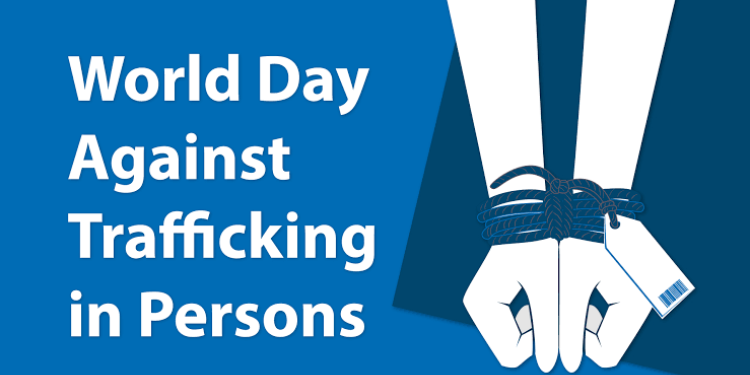
UN-led inter-agency coalition has raised alarm over the rapid expansion of human trafficking into online scam networks, warning that hundreds of thousands of people are being deceived, coerced and forced into criminal operations through threats, violence and intimidation.
Marking this year’s World Day against Trafficking in Persons, the Inter-Agency Coordination Group against Trafficking in Persons (ICAT) stated that trafficking for the purpose of forced criminality has become one of the fastest-growing forms of exploitation globally, with large-scale scam centres emerging as a major driver of the crime.
According to ICAT, victims are often lured with promises of legitimate employment before finding themselves trapped inside guarded compounds, hotels, office buildings or residential complexes where they are forced to participate in online fraud schemes under constant threats of violence, abuse or other forms of coercion.
The UN coalition stated that people who are themselves victims of human trafficking are behind the millions of fraudulent text messages, investment scams, and online schemes that target victims worldwide.
In order to recruit victims and extend international scam operations across many countries, criminal organisations are increasingly adapting to technical advancements and digital communication tools.
Many victims in scam compounds have university degrees, speak multiple languages, and have sophisticated digital skills, which makes them appealing targets for organised crime groups looking to maximise fraudulent operations, in contrast to traditional trafficking patterns that frequently prey on people who are extremely poor or have little education.
ICAT also identified corruption and official complicity as major factors enabling these criminal enterprises to flourish, allowing trafficking networks to avoid detection while expanding their activities across borders.

The concern reflects findings contained in the Global Report on Trafficking in Persons which identifies trafficking for forced criminality as the third most commonly detected form of human trafficking worldwide. The report documents a steady increase in both the number of victims and the geographical spread of the crime, signalling an alarming shift in the methods employed by traffickers.
In what the United Nations described as a landmark development, Member States last month reached a shared international understanding of trafficking for forced criminality, formally recognising that individuals compelled to commit offences because they have been trafficked are victims and should be treated accordingly.
While online scam compounds have become the most visible manifestation of this growing crisis, ICAT warned that forced criminality extends well beyond digital fraud.
According to ICAT, victims are also coerced into drug trafficking, theft, financial crimes and recruitment into non-State armed groups and organisations designated as terrorist groups.
One of the greatest challenges, according to the UN coalition, is that victims frequently go unidentified by authorities. Rather than receiving protection and assistance, many are arrested, detained, prosecuted, deported or punished for crimes they were forced to commit while under the control of traffickers.
ICAT cautioned that the method breaches victims’ rights, deters them from getting assistance, and permits organised crime organisations to carry on with minimal intervention. Women who are coerced into criminal activity are also more vulnerable to sexual exploitation and gender-based violence, which exacerbates their suffering.
Moreover, children continue to be especially at risk. According to the UN, traffickers are increasingly exploiting internet channels to recruit and coerce youngsters into engaging in illegal activities. Additionally, traffickers often fool women and girls by pretending to be loving partners and gaining emotional control before taking advantage of them.
The organization also listed migrants, refugees, asylum seekers, and stateless people as groups at higher risk due to fragmented support systems, inadequate legal protection, and unstable economic conditions.
ICAT Calls for Stronger Laws and Global Action Against Human Trafficking
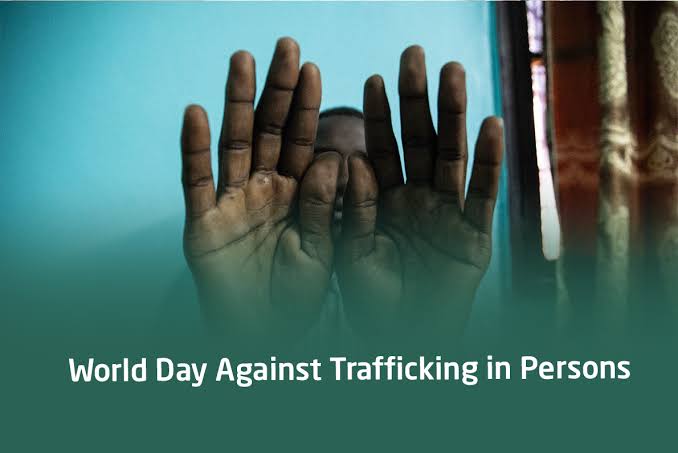
In response to the growing threat, ICAT has called on governments to adopt comprehensive measures that recognise trafficking for forced criminality as a distinct form of exploitation while ensuring victims receive protection instead of punishment.
The coalition urged States to strengthen legislative and policy frameworks so that trafficking for forced criminality is explicitly criminalised and addressed through rights-based, victim-centred, trauma-informed, gender-responsive and child-sensitive approaches.
Among its key recommendations is the formal recognition of people compelled to commit crimes as trafficking victims. ICAT also called for countries to adopt explicit legal guarantees ensuring that victims are not prosecuted or punished for offences committed as a direct consequence of being trafficked.
The organisation stressed that victims should have access to justice, compensation and recovery services, including safe shelter, psychosocial support, healthcare and legal assistance. It further recommended establishing coordinated national and cross-border referral systems capable of identifying, rescuing and assisting victims while supporting safe and dignified voluntary returns where appropriate.
Recognising the increasingly transnational nature of trafficking networks, ICAT urged governments to strengthen intelligence-led investigations targeting those who organise, finance and profit from criminal operations rather than focusing solely on lower-level participants who may themselves be victims.
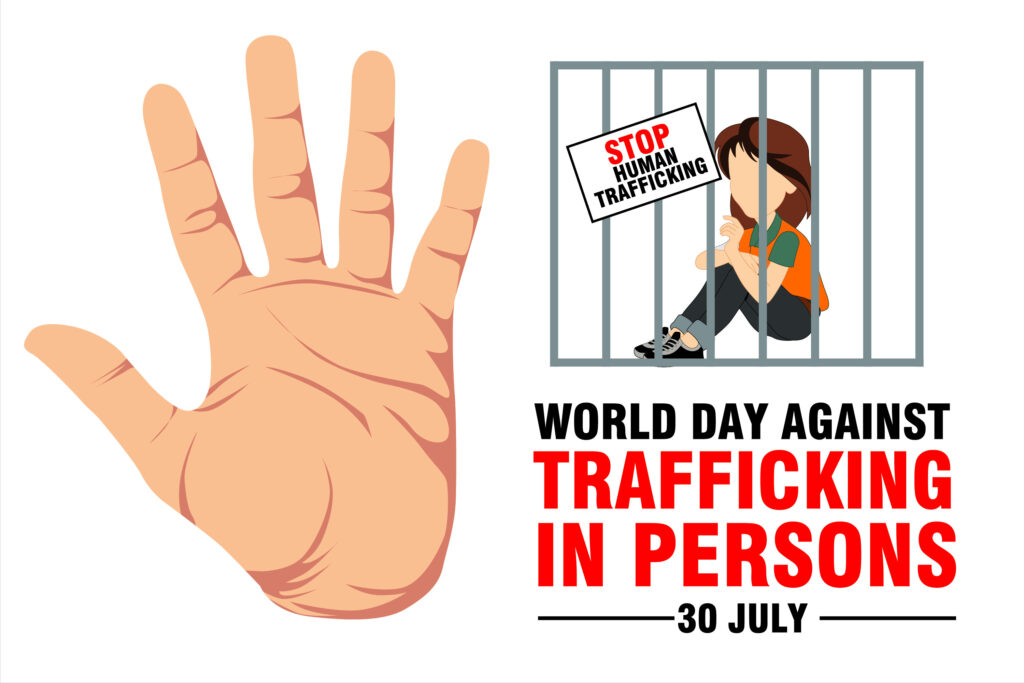
The coalition also recommended expanding specialised expertise in cybercrime, financial crime and organised crime investigations, while encouraging authorities to intensify financial investigations using “follow-the-money” strategies to identify illicit assets and dismantle trafficking networks.
Another crucial objective that was emphasised was combating corruption. ICAT cautioned that trafficking operations are often shielded from inspection by state participation, allowing criminal organisations to recruit victims, transport them across borders, and manage sham facilities with relative impunity.
In order to detect dishonest recruitment practices, preserve digital evidence, and assist victim identification while protecting privacy and human rights, the UN led coalition further called for increased collaboration between governments and private-sector stakeholders, including technology companies, telecommunications providers, financial institutions, recruitment agencies, and transportation operators.
In addition, ICAT encouraged countries to strengthen information sharing through existing international legal instruments, including the United Nations Convention against Transnational Organized Crime, the United Nations Convention against Cybercrime and the United Nations Convention against Corruption.
The United Nations led coalition cautioned that countering forced criminality will necessitate coordinated international action that includes better law enforcement with strong victim protection as criminal networks continue to use digital technologies to increase trafficking operations.
READ ALSO: FIFA President Argues FFE Will “Unlock” Football’s True Potential