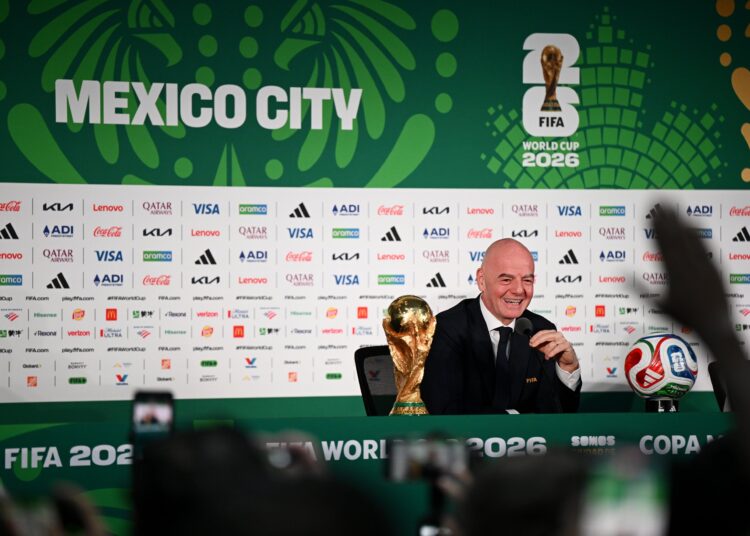
FIFA President Gianni Infantino has defended the governing body’s proposed FIFA Forward Enterprise (FFE), insisting the initiative is designed to unlock football’s commercial potential rather than impose structural changes on the global game.
The proposal has sparked significant debate across the football sphere, with several stakeholders questioning its long-term implications.
Despite the growing opposition, Infantino maintains that the project is still in its consultation phase and that FIFA’s 211 member associations will ultimately decide its future through the organization’s democratic processes.
Speaking about the proposal, the FIFA President emphasized that no final decision has been taken and stressed that the initiative should not be viewed as a compulsory reform.
According to Infantino, FIFA Forward Enterprise is intended to be an opportunity for football rather than a mandatory restructuring of the governing body’s commercial operations.
“FIFA for Enterprise or FFE is actually a proposal, an offer. It is part of a democratic process, a consultation process. And above all, it is an opportunity, but not an obligation.”
FIFA President, Gianni Infantino
He further explained that the consultation process has only just begun, allowing member associations and other stakeholders to evaluate the proposal before any final decision is made. “As I said, it kicks off the consultation process,” Infantino added.
The FIFA President argued that football has reached a stage where improving its commercial operations is necessary to sustain the sport’s development worldwide.
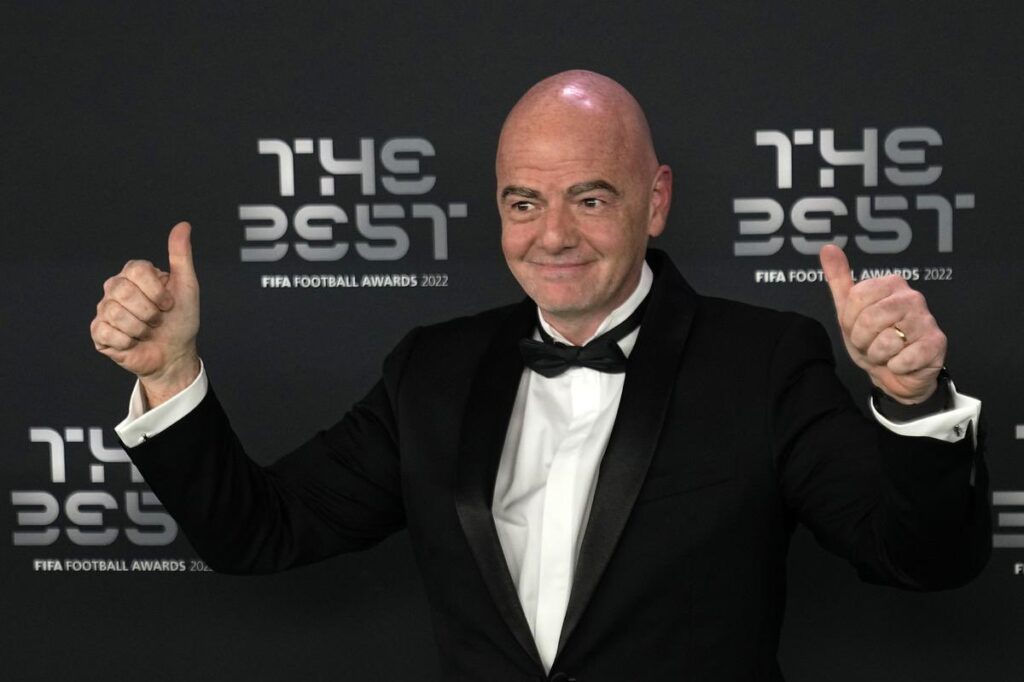
Under the proposal, FIFA Forward Enterprise would oversee the commercialization and management of FIFA-owned competitions while coordinating sponsorship brokerage, licensing and other commercial activities through a newly created entity. “It would simply commercialise and organise all FIFA-owned competitions, along with sponsorship brokers, licensing a new venture for the benefit of FIFA’s 211 member associations,” Infantino explained.
He argued that such a structure would help maximize commercial opportunities that FIFA believes remain untapped.
“However, unlocking previously uncaptured commercial value,” he said, adding that “strengthening the commercial side of the game is the natural next step in this evolution.”
Infantino believes that increasing commercial revenues would ultimately benefit football development across all confederations by generating additional resources for member associations. “We believe that the FFE proposal would unlock the sport’s potential in every corner of the world across men’s, women’s and youth football,” he stated.
Proposal Faces Growing Resistance
Despite FIFA’s assurances, the proposal has generated strong resistance from sections of the football community, particularly within Europe.
Critics fear that establishing FIFA Forward Enterprise could fundamentally alter the governance of football by opening the door to greater private-sector involvement in FIFA’s commercial rights and operations.
Reports indicate that the proposed company would be responsible for managing FIFA’s commercial rights, media operations and sponsorship activities, with the organization exploring outside investment to accelerate future growth.
The proposal has reportedly attracted interest from private investors as FIFA seeks to raise billions of dollars in capital to expand its commercial activities. Those plans, however, have intensified concerns among some stakeholders about the possibility of external influence over football’s commercial future.
UEFA has emerged as one of the strongest opponents of the proposal. European football’s governing body is understood to be concerned that the initiative could shift significant aspects of football’s commercial structure into a separate enterprise backed by private investment.
The resistance reflects wider concerns about governance, transparency and the long-term balance between commercial growth and the traditional administration of the game.
FIFA, however, insists the project is intended solely to enhance the commercial value of competitions it already owns while ensuring that additional revenues are redistributed to its member associations through football development initiatives.
As consultations continue, the debate surrounding FIFA Forward Enterprise is expected to remain one of the defining governance issues in world football. Whether the proposal proceeds in its current form will likely depend on the response of FIFA’s member associations and the governing body’s ability to convince skeptics that increased commercialization can coexist with the sport’s long-established governance principles.
READ ALSO: Minister of Education Declares Zero Tolerance for Bullying and Violence in Schools