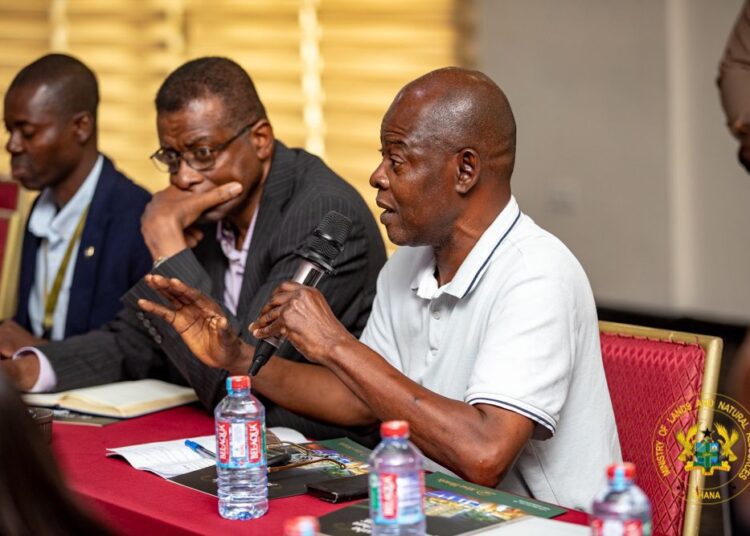
Dr. Steve Manteaw, a leading Natural Resources Governance Expert, has extended his strong backing to the recent formalisation proposal put forward by the Ghana Gold Board (GoldBod) Chief Executive Officer to reform the country’s Artisanal and Small-Scale Mining (ASM) subsector.
Emphasizing the urgent need to address the structural deficiencies in the extractive industry, Dr. Manteaw stated that the persistent informal nature of small-scale mining operations remains the primary bottleneck hindering sustainable governance and effective state oversight.
He underscored that bringing underground and unregistered operations into the formal legal domain is essential for achieving long-term socio-economic stability and environmental safeguards.
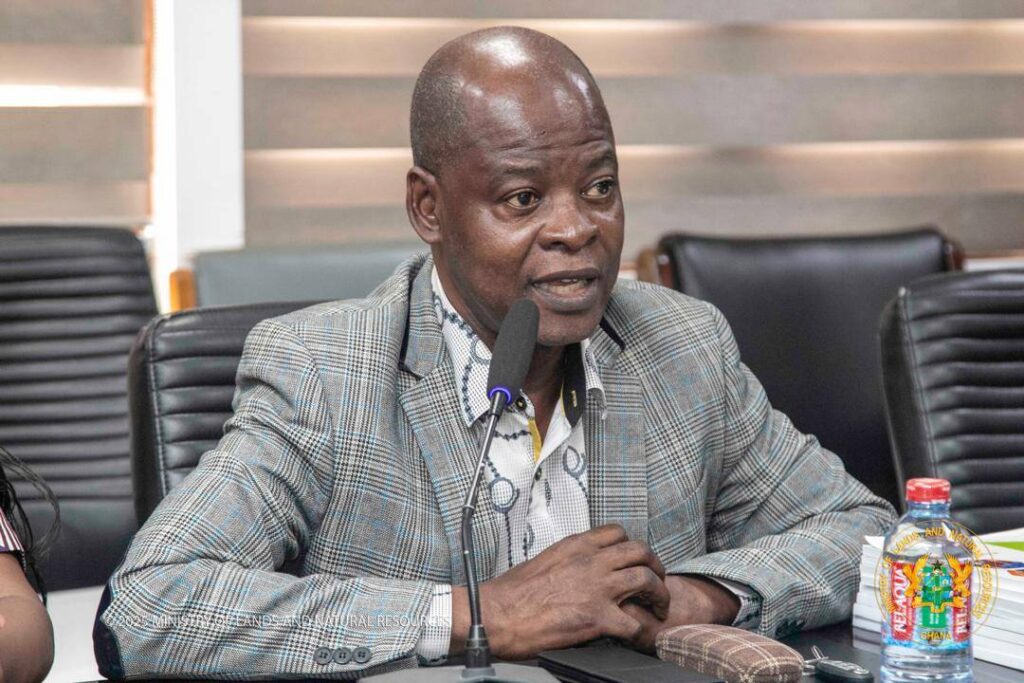
“Formalisation is the surest way to achieve environmental compliance and to ensure greater value retention in the ASM subsector. My only advice to the Ministry of Lands and Natural Resources, the Minerals Commission and the GoldBod is to take another look at Act 703 and agree on the required amendments to accommodate the proposal that’s been tabled. A better and a more prosperous Ghana is possible.”
Dr. Steve Manteaw,

Expanding on his endorsement, Dr. Manteaw highlighted that the GoldBod executive’s proposal directly aligns with the strategic objectives of the Ghana Landscape Restoration and ASM Formalisation Programme.
Initiated by the NPP government in partnership with the World Bank, this national initiative operates on the core principle that technical standard enforcement and ecological monitoring become achievable once illegal miners are successfully integrated into a regulated database.
Knowing exactly where operators work allows regulators to enforce compliance effectively, curb land degradation, and ensure higher financial returns remain within the domestic economy.
Aligning Policy Frameworks for Sustainable ASM Reform
To fully operationalize the GoldBod proposal, legislative reform must keep pace with policy ambitions.
Dr. Manteaw called upon key regulatory bodies specifically the Ministry of Lands and Natural Resources, the Minerals Commission, and GoldBod to collaborate on reviewing the Minerals and Mining Act, 2006 (Act 703).
Updating the existing legal framework is a critical prerequisite to accommodate modern formalisation models, enable administrative flexibility, and remove bureaucratic bottlenecks that historically pushed small-scale miners into informality.

Without synchronous statutory revisions, administrative initiatives risk stalled implementation.
The alignment between statutory regulations and practical field realities ensures that small-scale miners receive clear legal pathways to licensing, technical assistance, and structured credit facilities.
By institutionalizing these reforms within Act 703, policymakers can build an inclusive regulatory ecosystem that replaces reactive law enforcement with proactive compliance monitoring.
The Imperative for Formalisation and Resource Retention
Research across resource-rich developing economies consistently reveals that unrecorded artisanal mining leads to severe environmental degradation, loss of tax revenue, and rampant mineral smuggling.
In Ghana, the ASM subsector contributes a significant percentage of national gold production, yet informal operators frequently pollute critical river bodies and degrade forest reserves due to a lack of technical training and legal protection.
Formalisation bridges this divide by transforming high-risk informal labor into structured enterprise, facilitating geological mapping, introducing eco-friendly processing technologies, and providing direct access to formal banking channels.
Furthermore, structured integration enhances fiscal regulation and local value retention. Unregistered trade drains foreign exchange reserves and fuels illicit financial flows across regional borders.
By funneling small-scale gold production through GoldBod’s centralized purchasing and assaying systems, the state captures accurate royalty revenue, stabilizes local currency reserves, and reinvests capital directly into affected mining communities.
Building a Prosperous and Environmentally Resilient Ghana
Achieving sustainable mineral governance requires balancing economic empowerment with strict environmental stewardship.
As Dr. Manteaw observed, recognizing the informal nature of small-scale operations as the root challenge enables stakeholders to implement constructive, long-term interventions rather than short-term punitive measures.

Integrating small-scale miners into the formal framework provides a realistic pathway to restore damaged ecosystems while safeguarding millions of livelihoods dependent on the industry.
With multi-stakeholder support, inter-agency collaboration, and the political will to amend Act 703, Ghana stands at the threshold of a transformed mining landscape.
Unifying the GoldBod proposal with the Ghana Landscape Restoration and ASM Formalisation Programme creates a cohesive blueprint for environmental compliance, increased national revenue, and shared prosperity across mining districts.
READ ALSO: CSJ Demands Time-Bound Probe, Accountability Before Obuasi SHTS Reopens