The Ghana Tertiary Education Commission (GTEC) has invited the management of all technical universities and the national leaders of the Technical University Teachers’ Association of Ghana (TUTAG) to a meeting on Wednesday, 28 October 2026. The meeting will address concerns raised by the association during its ongoing industrial action, which has affected technical universities.
The Commission will bring vice-chancellors, finance directors, registrars and union representatives to one room to discuss TUTAG’s concerns and to explore ways of resolving them. It will meet at 10:00 a.m. in the Ahmed Jinapor Room of the GTEC Conference Hall.
“This meeting aims to bring together management, financial leadership, and union representatives to foster an open dialogue, address current challenges, and discuss TUTAG’s concerns.”
Ghana Tertiary Education Commission
GTEC addressed its invitation to two groups. The first is the management of all technical universities, and the second is the national leadership of TUTAG. Within management, the Commission named vice-chancellors, finance directors and registrars.
The mix of invitees is deliberate. Vice-chancellors speak for their institutions, registrars handle administrative matters, and finance directors can speak to what the universities can afford. The union’s national leaders can then put the association’s case to all of them at once. Because each group holds a different part of the answer, the Commission framed the meeting as a forum for open dialogue among all of them.
A Case for Institutional Harmony
The Commission stressed the importance of the discussions. It stated that they matter for maintaining institutional harmony and promoting academic excellence, and it urged the invited stakeholders to attend and contribute.
“Given the importance of this policy discussion to institutional harmony and academic excellence, your personal attendance and expertise will be highly valued.”
Ghana Tertiary Education Commission
The wording asks for personal attendance, not delegates. That signals that GTEC wants decision makers in the room, so that points raised can be answered on the day. Harmony between management and staff underpins teaching and learning in any institution, and the Commission’s emphasis on it reflects the strain that a prolonged strike places on both.
Logistics for the Meeting
GTEC also asked the invitees to confirm the number of representatives each will send, so that it can make logistical arrangements. Early confirmation helps the Commission plan the room for the full group of invitees. The request suggests that the Commission expects a sizeable gathering, since every technical university has been invited.
The invitation did not list the specific concerns TUTAG has raised. It also did not state what outcome the Commission hopes to reach, beyond open dialogue and a search for ways to address the issues.
The meeting comes as efforts continue to resolve the concerns behind TUTAG’s industrial action. Technical universities have felt the effects of the strike, and the outcome of the Commission’s meeting will matter to all of them.
A meeting that brings both sides together under one convener gives the dispute a formal setting. It also places GTEC in the role of facilitator, which fits the Commission’s mandate to coordinate and advise the tertiary sector.
Extraordinary Congress on Monday
Meanwhile, TUTAG’s national executive is expected to convene an Extraordinary Congress on Monday, 26 October. The Congress will deliberate on proposals and a position presented by the Vice-Chancellors of Technical Universities Ghana (VCTU-G), with a view to a possible suspension of the strike.
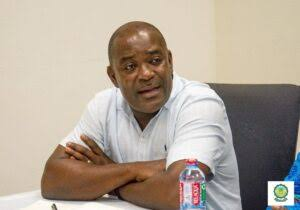
The sequence of dates matters. The Congress meets two days before the GTEC meeting, so its decision on the vice-chancellors’ proposals could shape the mood and the agenda in the Ahmed Jinapor Room.
The two upcoming events will show whether the dispute is moving towards a settlement. The first is the outcome of the TUTAG Extraordinary Congress on 26 October. The second is whether the Commission’s meeting two days later produces a clear agreement that students, lecturers and management can accept.
READ MORE: UNICEF Warns Against Rising Child Sexual Abuse in Ghana