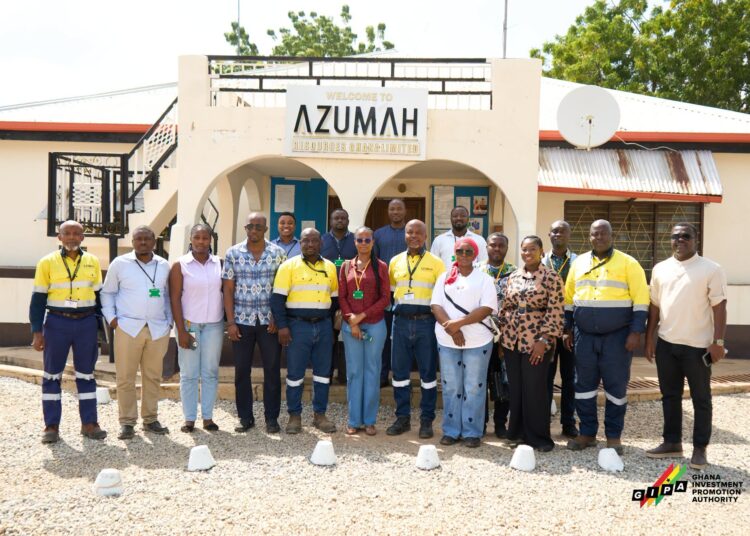
Mr. Abdul Razak Baba, the Deputy Chief Executive Officer of the Ghana Investment Promotion Authority (GIPA), has commended Azumah Resources Ghana Limited for progress on the Black Volta Gold Project, highlighting its potential to contribute to economic growth and job creation in the Upper West Region.
This endorsement underscores the strategic importance of expanding extractive industry infrastructure beyond traditional southern mining hubs into northern Ghana.
“He emphasised the importance of local employment, skills development and responsible mining, urging the company to sustain its commitment to ensuring that host communities benefit from the project.”
Ghana Investment Promotion Authority (GIPA)
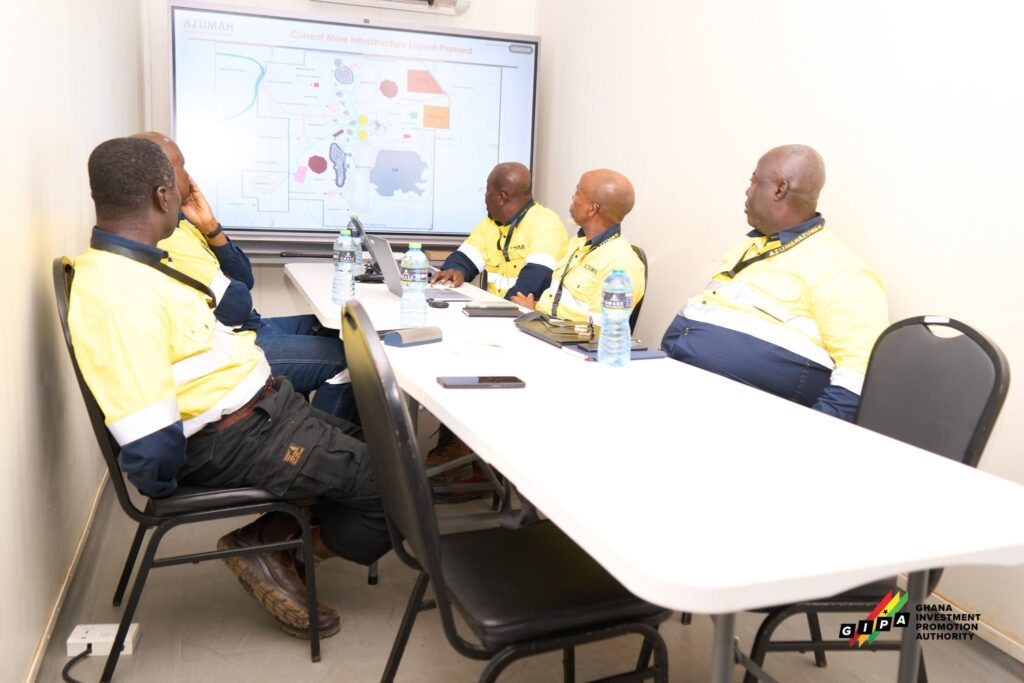
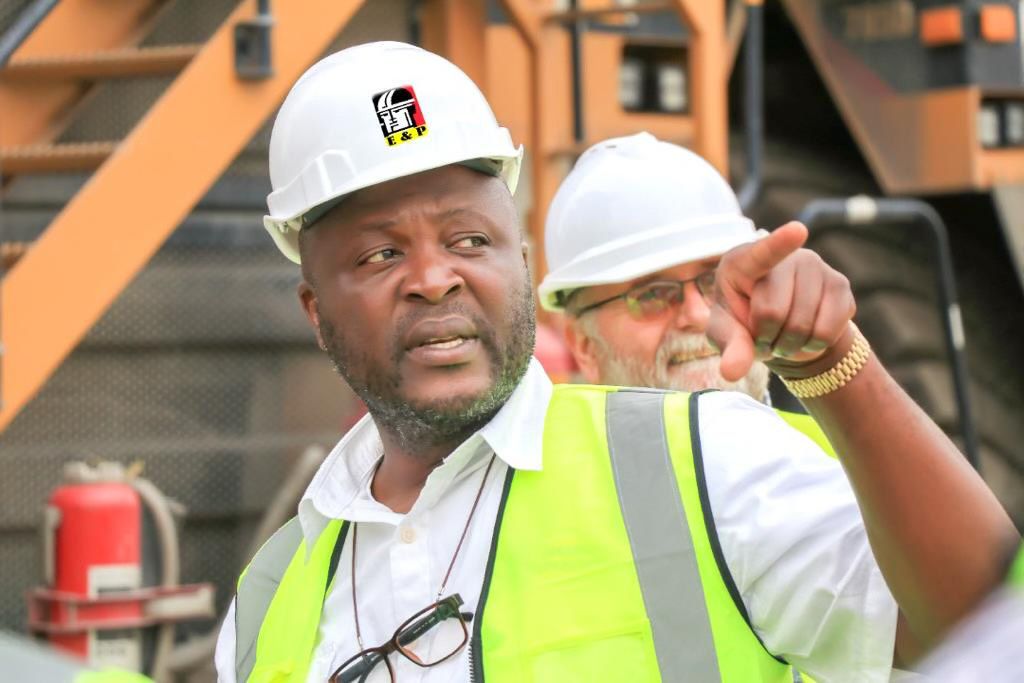
Mr. Baba made the remarks during a site visit as part of GIPA’s Upper West Regional Investment Roadshow, where he received an update on the project’s development and ongoing construction activities.
The visit forms part of GIPA’s engagement with investors to monitor project developments, support investment, and promote economic opportunities across Ghana’s regions.
Driving Regional Industrialization Beyond Southern Hubs
Ghana’s extractive sector has historically remained heavily concentrated in the southern and western corridors, leaving northern territories under-capitalized despite rich mineral deposits.
The advancement of the Black Volta Gold Project marks a decisive pivot toward decentralized industrial growth, balancing regional development across the country.
By bringing large-scale industrial infrastructure to the Upper West Region, the initiative directly addresses long-standing spatial economic disparities.
Establishing major commercial mining operations in non-traditional enclaves serves as a catalyst for multi-sectoral development.
The project requires substantial auxiliary services ranging from civil engineering, transport, and equipment maintenance to logistics, catering, and security creating direct entry points for local micro, small, and medium enterprises (MSMEs).
This enterprise growth helps build a localized vendor ecosystem capable of sustaining industrial demand beyond the mine’s primary operational life cycle.
Furthermore, large-scale resource extraction projects fundamentally enhance regional basic infrastructure.
Grid expansions, improved feeder roads, and water management projects built to support mining operations frequently benefit surrounding communities.
This improved infrastructure reduces transaction costs for agricultural producers and commercial traders, accelerating overall trade across the host district.
Skills Transfer, Sustainable Employment, and ESG Alignment
A critical necessity for projects of this magnitude is overcoming regional human capital constraints.
Historically, local labor in non-traditional mining zones faces barriers to entering high-value industrial roles due to a lack of specialized technical training.
The emphasis on localized skills development ensures structured technical training programs, equipping workers with transferable skills in heavy machinery operation, industrial safety, environmental engineering, and metallurgy.
From an economic perspective, sustainable direct job creation in host communities provides immediate wage stabilization and boosts household purchasing power.
As local workers earn stable industrial incomes, domestic expenditure on housing, education, healthcare, and commerce increases, generating a strong economic multiplier effect throughout the local economy.
Integrating Environmental, Social, and Governance (ESG) principles into host community engagements ensures that resource extraction does not lead to community displacement, environmental degradation, or social disruption.
GIPA’s active oversight encourages responsible mining practices, long-term environmental stewardship, transparent community engagement, and local hiring compliance.
This oversight aligns the project with international sustainability standards, safeguarding community interests while protecting asset value for institutional investors.
Elevating Investor Confidence and Capital Mobilization
GIPA’s active participation through the Upper West Regional Investment Roadshow highlights the government’s effort to lower perceived investment risk across non-traditional economic zones.
Sovereign institutional monitoring assures international and domestic investors that capital deployment in greenfield or frontier regions is backed by regulatory oversight and state facilitation.
This proactive regulatory framework enhances Ghana’s broader investment climate, positioning the nation as a premier destination for extractives capital in West Africa.
As GIPA continues to track construction milestones and operational progress, the Black Volta Gold Project provides a working template for public-private collaboration, demonstrating how capital mobilization can align with national development priorities and inclusive community growth.
READ ALSO: COCOBOD Deepens Cocoa Reforms in Volta, Oti