The Ghana Investment Promotion Authority (GIPA) is stepping up efforts to attract private capital to the Upper West Region, identifying agriculture, agro-processing, manufacturing, renewable energy and tourism as priority sectors for investment-led economic growth.
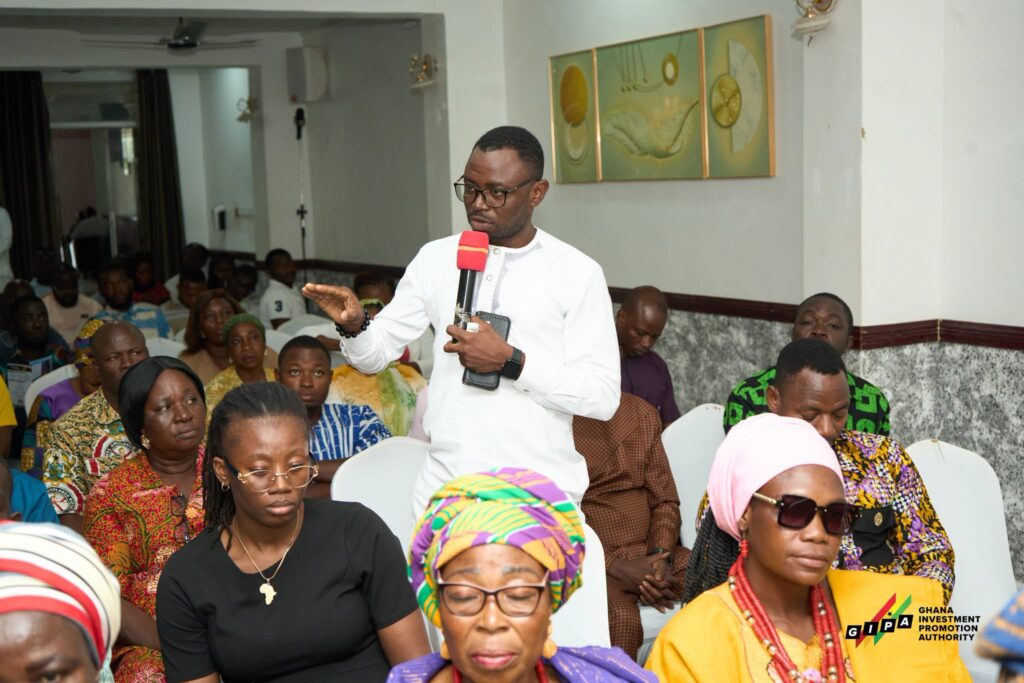
At the Upper West Regional Investment Roadshow, Mr. Yussif Mustapha, Principal Investment Promotion Officer at GIPA, outlined opportunities for businesses to develop commercially viable projects around the region’s natural resources, agricultural production and emerging infrastructure prospects.
The initiative seeks to move investment promotion beyond presenting regional potential towards connecting investors with projects capable of generating employment, strengthening local industries and expanding Ghana’s productive capacity.
It also comes amid broader efforts to address the concentration of investment in the southern part of the country and improve access to capital for businesses in northern Ghana.
“The priority is to connect investors with viable regional projects that can transform local resources into productive businesses, create employment and generate sustainable economic returns.”
P.I.P Officer at GIPA,Mr. Yussif Mustapha
Investment Pipeline Targets Regional Disparities
The roadshow forms part of GIPA’s Investment Opportunities Mapping Project, which seeks to identify and package commercially promising ventures across Ghana’s 16 regions for presentation to domestic and international investors.
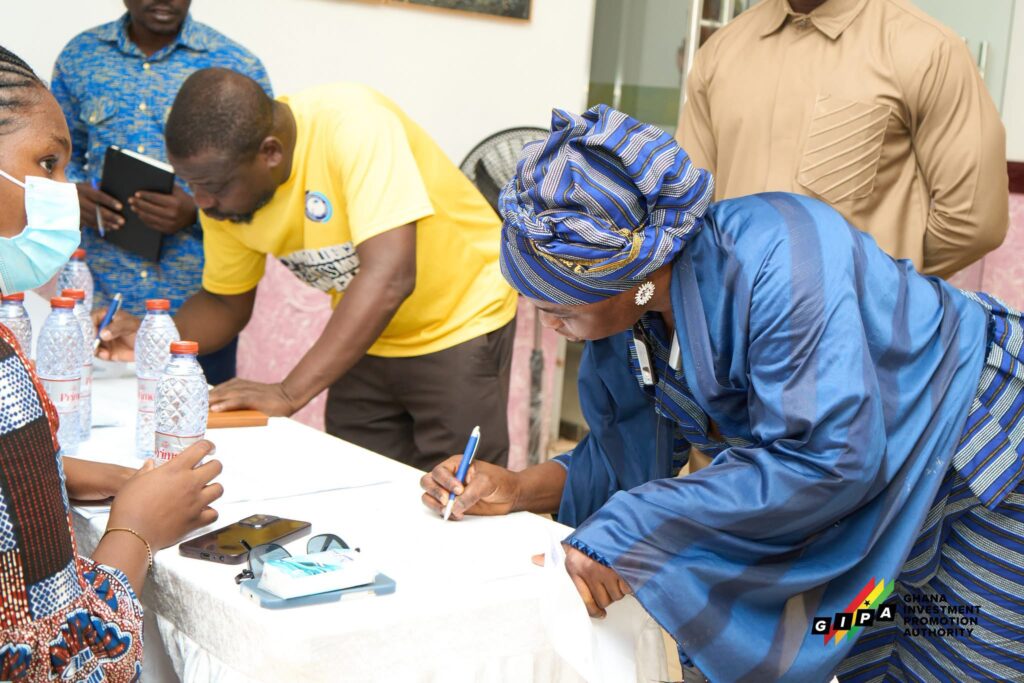
GIPA’s approach is intended to make regional projects more visible to investors by identifying opportunities, documenting their commercial potential and connecting project promoters with prospective funding partners.
The initiative also creates an opportunity for local entrepreneurs to engage investors beyond their immediate markets. However, attracting capital will depend on the quality of project proposals, the availability of reliable financial and market information, and the ability of businesses to demonstrate realistic returns.
For regional investment promotion to produce measurable results, project identification must be followed by feasibility assessments, financing arrangements and implementation plans.
Investors also need clarity on land access, regulatory requirements, infrastructure availability and the commercial risks associated with individual ventures.
Agriculture and Processing Offer Industrial Potential
Agriculture emerged as a major investment area during Mr. Mustapha’s presentation, with the region’s arable land and water resources offering opportunities for commercial production and value addition.
Ghana’s investment sector profile identifies the Upper West Region as suitable for activities involving cotton, poultry, soy, shea, cattle, goats and piggery. These opportunities provide a basis for businesses seeking to develop agricultural supply chains and establish processing operations close to production areas.
An investment in shea processing could support the production of butter and other value-added ingredients for the cosmetics, personal-care and food industries. Similarly, commercial livestock production could create opportunities in meat processing, feed manufacturing, storage and distribution.
Such enterprises could generate additional income for farmers by creating more structured markets for their produce. They could also support employment in packaging, quality assurance, transportation and other services required to move agricultural commodities from farms to consumers.
Nevertheless, agricultural investment must be supported by reliable supplies of raw materials, appropriate processing technology and access to buyers. Businesses also need to account for seasonal production patterns, water availability and the costs of transporting inputs and finished products.
“The region’s agricultural resources provide opportunities for commercial production and processing, but investment must be matched with dependable supply chains, market access and infrastructure.”
P.I.P Officer, GIPA, Mr. Yussif Mustapha
The commercial viability of these investments will depend on careful technical assessments and the availability of maintenance services.
Also, Combining agricultural production with processing and dependable energy supply could, however, help businesses retain more value within the region instead of exporting raw commodities to processing centres elsewhere.
Infrastructure, Tourism and Manufacturing in Focus
Mr. Mustapha also highlighted manufacturing and tourism as sectors with potential to diversify the Upper West Region’s economy.
Manufacturing opportunities could emerge from agricultural value chains, particularly where local production can support food processing, packaging and other light industrial activities. Developing these enterprises would require investors to assess consumer demand, input costs, distribution networks and the competitiveness of locally manufactured products.
The region’s location near Burkina Faso also presents potential for cross-border trade. Businesses could explore regional markets for agricultural products and manufactured goods, provided they can meet applicable product standards, customs requirements and delivery schedules.
Tourism offers a separate opportunity to increase commercial activity through hospitality, cultural experiences and services linked to local attractions. Investment in accommodation, tour operations, food services and visitor facilities could support small businesses while creating employment outside agriculture.
However, tourism development requires coordinated planning, effective promotion and infrastructure capable of supporting visitors. Commercial success will depend on whether attractions can generate sufficient demand to sustain private investment.
“Turning regional opportunities into sustainable economic growth requires viable projects, supporting infrastructure and partnerships that enable businesses to compete in domestic and regional markets.”
P.IP. Officer at GIPA, Mr. Yussif Mustapha
The roadshow brought together Upper West Regional Minister Hon. Puozuing Charles Luwanga, traditional authorities, business representatives and other key stakeholders, reflecting the importance of cooperation between public institutions, local leadership and the private sector.
The next test for GIPA’s investment drive will be converting identified opportunities into funded projects.
READ ALSO:Ghana’s Interest Rate Rally Leaves Long-Term Bond Yields Unchanged