Ghana’s struggle to manage its public debt may have a deeper structural problem than excessive government spending, expensive borrowing and external economic shocks. Beneath the country’s fiscal challenges lies an often overlooked issue that could be weakening the government’s ability to raise sufficient revenue: the size of its informal economy.
Although successive governments have pursued revenue mobilisation measures, Ghana continues to face the difficult task of generating enough domestic income to finance public services, meet debt obligations and support economic development. The country’s large informal sector raises important questions about how effectively the economy’s productive activities translate into tax revenue and long-term financial stability.
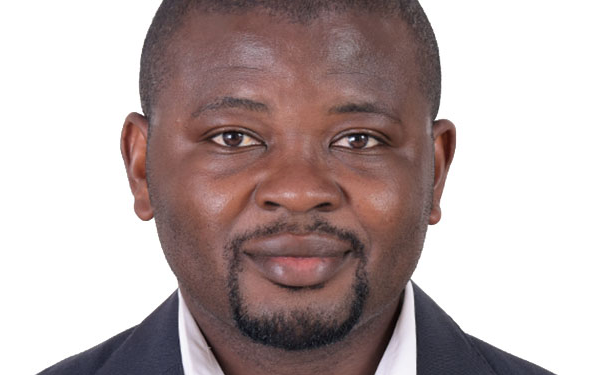
An analysis by Mr Henry Kyeremeh, Lead-Sovereign Debt Advisory at FSD Africa, identifies economic informality as a significant structural factor contributing to Africa’s debt challenges. The argument carries particular relevance for Ghana, where a narrow tax base and exposure to commodity price fluctuations have reinforced domestic debt accumulation.
The concern is not simply that many businesses operate outside formal registration systems. Rather, informality can limit the government’s capacity to mobilise revenue, weaken domestic financial markets and make it harder to build a sustainable foundation for public borrowing.
Ghana’s Debt Challenge Runs Deeper Than Government Spending
Ghana’s debt difficulties have often been discussed through the familiar lenses of fiscal indiscipline, exchange-rate pressures, high borrowing costs and external shocks. These factors matter, but they do not fully explain the persistent challenge of generating enough revenue to finance government obligations without excessive reliance on borrowing.
Across Africa, the pressure is becoming increasingly severe. Nearly 57% of Africans, representing about 751 million people, live in countries where governments spend more on interest payments than on health or education, according to the United Nations Conference on Trade and Development.
A typical government in Sub-Saharan Africa spends about one-seventh of its revenue on interest payments alone, according to the International Monetary Fund.
These figures expose the difficult choices facing governments. Revenue committed to servicing debt cannot simultaneously be spent on hospitals, schools, roads and other essential public services.
Ghana’s experience makes the question of domestic revenue mobilisation particularly important. When government revenue remains insufficient to meet spending needs, authorities face pressure to borrow more, increase taxes or cut expenditure. Each option carries economic and social consequences.
Economic informality complicates this equation by limiting the proportion of economic activity that governments can consistently capture through direct taxation and formal financial systems.
The Informal Economy Is a Major Fiscal Blind Spot
Informality is deeply embedded in Africa’s economic structure. Moody’s estimates that the median informal economy in Sub-Saharan Africa accounts for about 36% of gross domestic product, compared with approximately 25% globally.
The International Labour Organization estimates that informal employment represents about 86% of employment across the region.
Ghana’s informal businesses, traders, artisans, transport operators and other small-scale economic participants form an important part of everyday commercial activity. They provide livelihoods, distribute goods and services, and sustain households that might otherwise struggle to find employment.
However, the economic importance of these activities does not always translate into reliable direct tax revenue.
Many informal workers and businesses contribute to government revenue through value-added tax, excise duties and various fees. Yet limited business registration, incomplete financial records and weak administrative visibility can make it difficult for authorities to assess earnings and collect direct taxes consistently.
The FSD Africa analysis identifies a moderate negative correlation of -0.33 between informality and tax revenue.
Although this relationship does not establish that informality automatically causes higher debt, it suggests that a large informal sector can make it harder for governments to generate the revenue needed to absorb economic shocks and finance development.
For Ghana, expanding the tax base therefore requires more than increasing tax rates on businesses and individuals already within the formal system.
How Informality Can Push Borrowing Costs Higher
The problem extends beyond tax collection. Economic informality can also weaken domestic financial markets, creating another channel through which governments and businesses face higher borrowing costs.
Many informal enterprises lack audited accounts, registered collateral and documented financial histories. These limitations make it difficult for them to secure affordable bank loans or access capital markets.
Consequently, savings generated by informal economic activities may remain outside the formal financial system, held in cash, land, livestock or informal savings groups rather than invested through pension funds, insurance products and other institutions capable of financing long-term development.
This limits the pool of domestic capital available to support productive private-sector investment.
Banks, meanwhile, become increasingly important financiers of government borrowing. The IMF estimates that domestic banks hold about half of Sub-Saharan Africa’s public debt, highlighting the close relationship between government financing and the banking sector.
When banks allocate substantial resources to government securities, fewer funds may be available to finance private businesses, particularly enterprises that could expand employment and eventually enter the formal economy.
Ghana faces an important policy challenge in breaking this cycle. Businesses need access to affordable finance to expand, formalise and maintain proper records. Yet without formal records and recognised collateral, many remain excluded from the very financial services that could support their growth.
A Narrow Tax Base Leaves Ghana Vulnerable
Ghana’s reliance on commodity exports adds another dimension to the problem. Fluctuations in global commodity prices and foreign-exchange conditions can affect government revenue, while a narrow tax base limits the ability to compensate for unexpected shortfalls.
When domestic revenue falls below expectations, governments may need to borrow to maintain expenditure and meet existing obligations. If borrowing costs remain elevated, debt servicing can absorb an even greater share of future revenue.
Informality intensifies these pressures by restricting the government’s ability to draw revenue from a broader range of economic activities.
The resulting cycle can be difficult to reverse. Weak revenue encourages borrowing, while limited access to finance prevents informal enterprises from growing into more productive and taxable businesses.
Public infrastructure investments may improve productivity and expand commercial activity, but the fiscal benefits can remain below expectations when businesses and workers are difficult to identify, register and incorporate into the tax system.
Formalisation Must Offer More Than Tax Demands
Addressing this challenge will require Ghana to reconsider how it brings informal businesses into the formal economy.
A strategy built primarily around enforcement and additional tax obligations risks discouraging registration, particularly among small businesses operating with narrow profit margins and limited administrative capacity.
Instead, formalisation should provide tangible benefits that make participation worthwhile.
Digital identification systems, mobile money integration, electronic tax platforms and interoperable business registries could help authorities improve economic visibility while reducing the administrative burden on small enterprises.
Access to credit, social protection, legal recognition and simplified compliance procedures could also encourage businesses to register voluntarily.
Linking mobile money transactions to appropriate financial products, including micro-pensions, and developing credit-reporting systems that recognise informal transaction histories could help bring more savings into formal financial markets.
These measures would not eliminate Ghana’s debt challenges overnight. However, they could strengthen the domestic revenue base, expand access to finance and improve the government’s capacity to respond to future economic shocks.
Ghana’s Debt Sustainability Depends on Structural Reform
Ghana’s debt challenge cannot be understood solely through the decisions governments make about expenditure and borrowing. The structure of the economy also matters, particularly the relationship between informal economic activity, domestic revenue mobilisation and access to long-term finance.
Economic informality is not the only explanation for Ghana’s debt pressures, and formalisation alone will not resolve fiscal weaknesses. Sound expenditure management, effective public investment, prudent borrowing and stronger institutions remain essential.
Nevertheless, ignoring the informal economy risks leaving a significant part of the country’s economic potential outside the systems needed to support sustainable public finances.
The task ahead is to build an economy in which formal registration delivers meaningful benefits to businesses and workers while enabling the state to collect revenue more fairly and consistently.
Ghana’s ability to reduce its dependence on borrowing will ultimately depend not only on how much it spends or how efficiently it manages its debt, but also on how effectively it converts economic activity into sustainable domestic revenue.
READ ALSO: Banks’ Deposit Costs Could Rewrite Ghana’s Reference Rate Formula