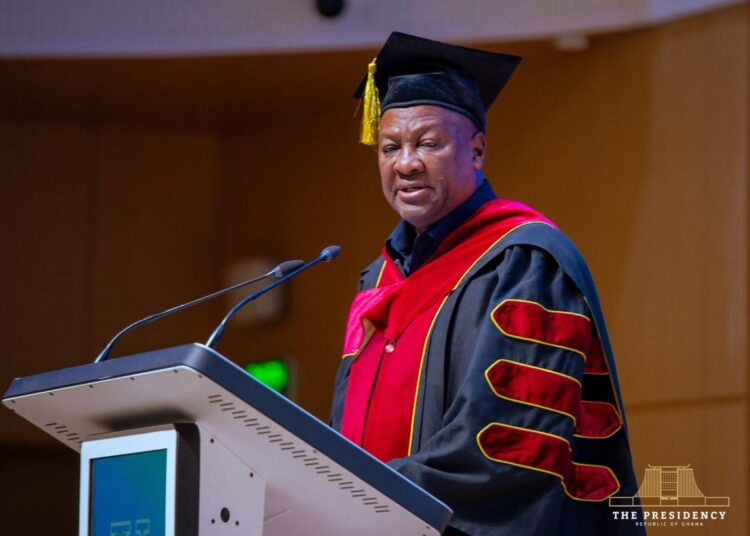
President John Dramani Mahama has identified nuclear and solar energy as potential areas for deeper cooperation between Ghana and Russia, signalling Accra’s interest in accessing foreign technology and investment as it considers options for diversifying its electricity generation mix.
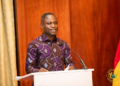
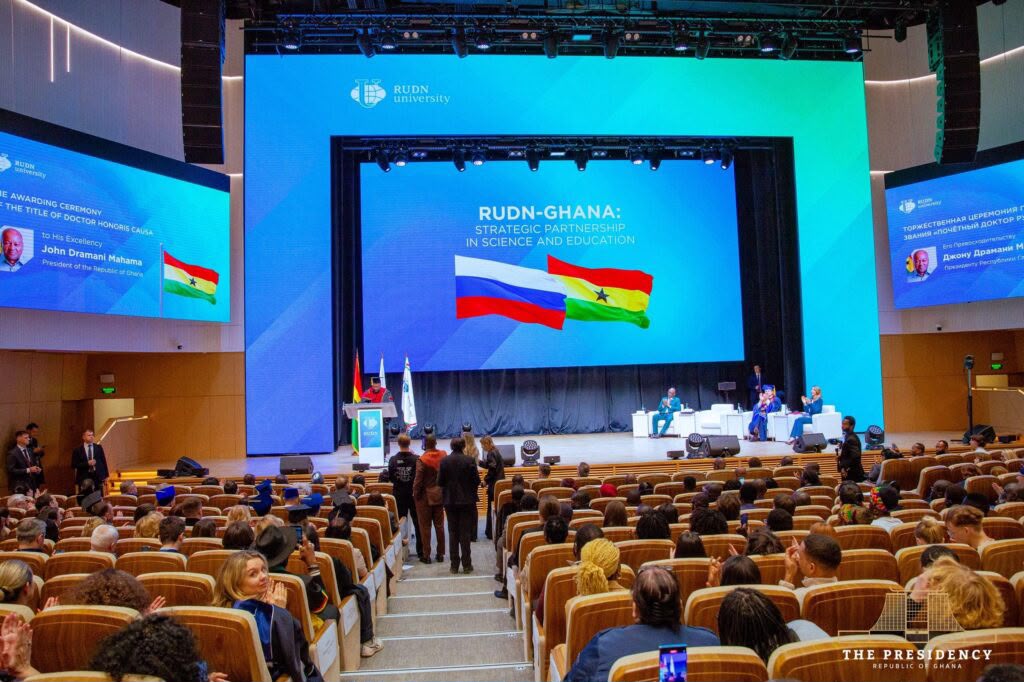
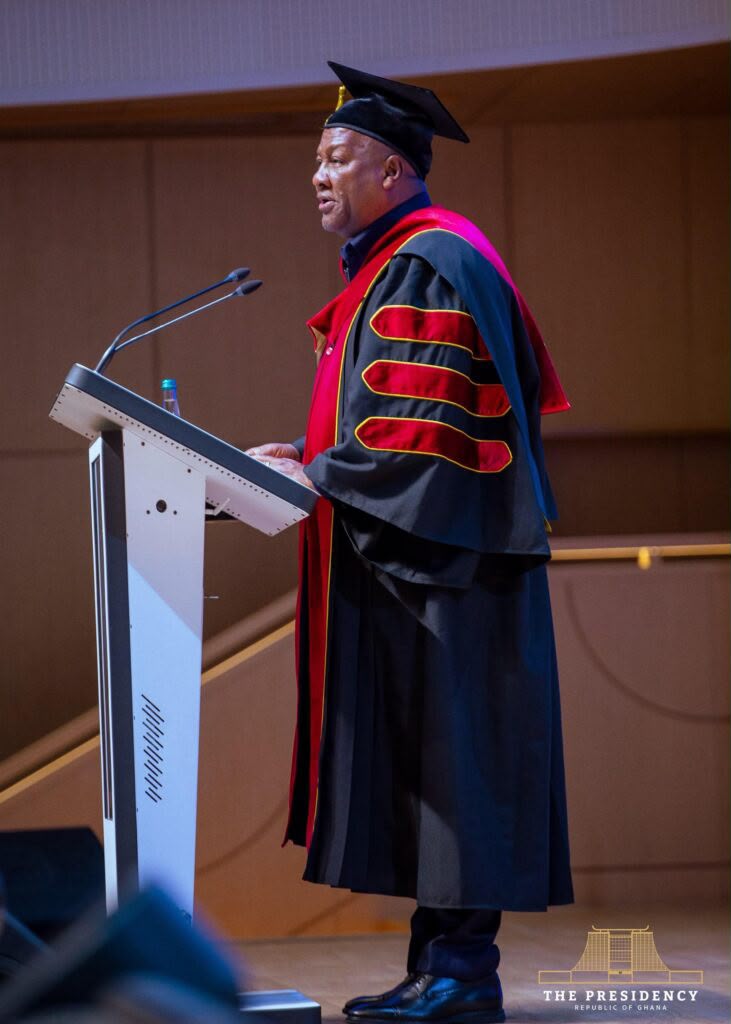
Speaking during an open dialogue with students at the People’s Friendship University of Russia (RUDN) in Moscow, Mahama said his anticipated bilateral meeting with Russian President Vladimir Putin could open new areas of economic and energy cooperation.
The remarks place energy among the potential priorities in Ghana’s efforts to strengthen relations with Russia. They also raise questions about how any future cooperation could translate into concrete projects, particularly in nuclear power, where development requires substantial financing, specialised technical capacity and a robust regulatory framework.
Mahama said Ghana was exploring alternative energy sources, including solar, while considering the addition of nuclear power to its electricity mix.
“We’re even looking at nuclear, adding nuclear to our energy mix.”
The President pointed to Russia’s technological capabilities as a potential basis for collaboration, but did not announce an agreement, identify a proposed project or provide a timeline for nuclear or solar investment.
Nuclear Ambitions And The Investment Question
Mahama’s remarks suggest that nuclear power remains among the options Ghana is considering for its long-term electricity supply. However, expressing interest in Russian technology is distinct from committing to a nuclear project.
Nuclear power development requires more than a technology partnership. It involves decisions on project financing, regulatory independence, safety standards, skilled personnel, infrastructure and long-term waste management.
The commercial terms and institutional arrangements would be central to determining whether any prospective cooperation could advance.
The President did not provide details on these matters during the dialogue. His comments instead indicated that the proposed engagement with Moscow could create an opportunity to explore the subject further.
Solar energy presents a different set of investment considerations. Its deployment can be expanded through projects of varying sizes, although its contribution to reliable electricity supply depends on grid capacity, the availability of storage and other sources of generation, and the economics of individual projects.
The two technologies could therefore serve different functions within a diversified energy system. Whether Ghana pursues either through Russian partnerships will depend on the terms, feasibility and strategic value of the proposals that emerge.
Regional Electricity Trade Shapes Ghana’s Energy Choices
Mahama also highlighted Ghana’s position as a regional electricity supplier, saying the country exports power to Togo, Burkina Faso and Benin and exchanges electricity with Côte d’Ivoire.
That role gives domestic generation planning a regional dimension. Ghana’s ability to supply neighbouring markets depends on the availability and reliability of electricity at home, alongside transmission capacity and the commercial arrangements governing cross-border trade.
Exploring additional generation sources could broaden the country’s options as electricity demand and regional supply needs evolve.
But diversification alone does not guarantee greater energy security: new capacity must be affordable, dependable and supported by the infrastructure needed to deliver electricity to consumers.
Mahama did not set out specific generation targets or explain how potential nuclear and solar projects would fit into Ghana’s existing power plans.
The significance of his remarks is therefore the identification of possible areas for cooperation, rather than confirmation of a change in the country’s generation strategy.
Putin Meeting Could Test Energy Cooperation Prospects
The President said he had personally agreed to participate in the Russia-Africa summit because he wanted to restore Ghana-Russia relations to a stronger level, describing the relationship as historic.
He said the planned bilateral engagement with Putin could open opportunities for cooperation and strengthen economic ties.
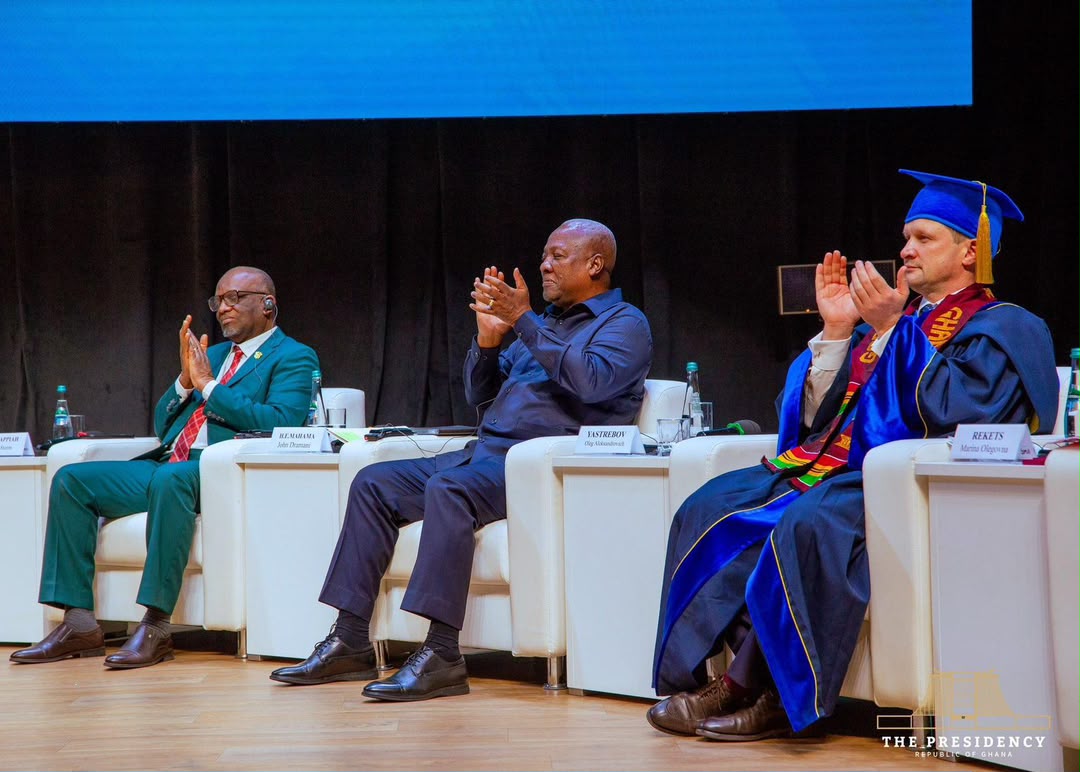
“We’re looking forward to the bilateral meeting with President Putin because I think that that meeting will open up new areas of cooperation.”
For Ghana’s energy sector, the value of the meeting will ultimately depend on whether discussions move beyond shared interests towards specific investment or technical arrangements.
Any proposed partnership would need to be assessed against national energy priorities, financing requirements and the country’s capacity to implement and regulate the resulting projects.
Mahama’s remarks establish nuclear and solar energy as potential subjects for that engagement, but they do not confirm that Russia has been selected as a partner for either technology.
The next step is therefore not simply to secure cooperation, but to determine whether any proposals can deliver commercially viable projects and strengthen Ghana’s long-term electricity security.
That distinction will be particularly important if discussions progress towards nuclear power, where the financial, technical and regulatory commitments extend across decades.