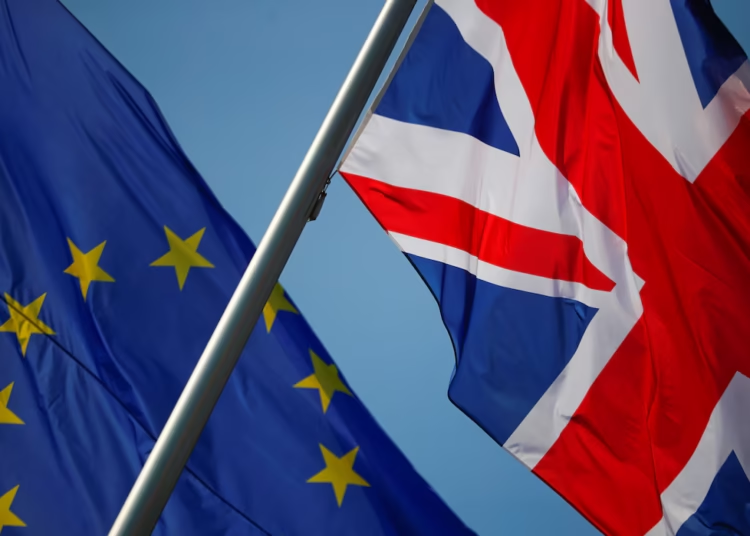
British Prime Minister Andy Burnham has insisted there is “no confusion at all” over the government’s position on rejoining the European Union after Conservative leader Kemi Badenoch challenged him over whether he wanted a referendum on the issue at Prime Minister’s Questions (PMQs).
The exchange unfolds amid renewed political deliberations over closer UK-EU relations, following Burnham’s expressed wish for Britain to rejoin the bloc within his lifetime, while dismissing the prospect of membership during the current parliamentary term.
Speaking at PMQs, Badenoch accused the Prime Minister of creating confusion over the government’s Brexit policy and pressed him on whether he supported a referendum on rejoining the EU.
“There is no confusion at all. The Government has a collectively agreed position, which I have set out today.”
Andy Burnham
He added that the position remained consistent with his commitments to voters, including during the Makerfield by-election, and stressed that Labour’s manifesto commitments would remain in place throughout the current Parliament.
Burnham Rules Out Immediate Return to EU Membership
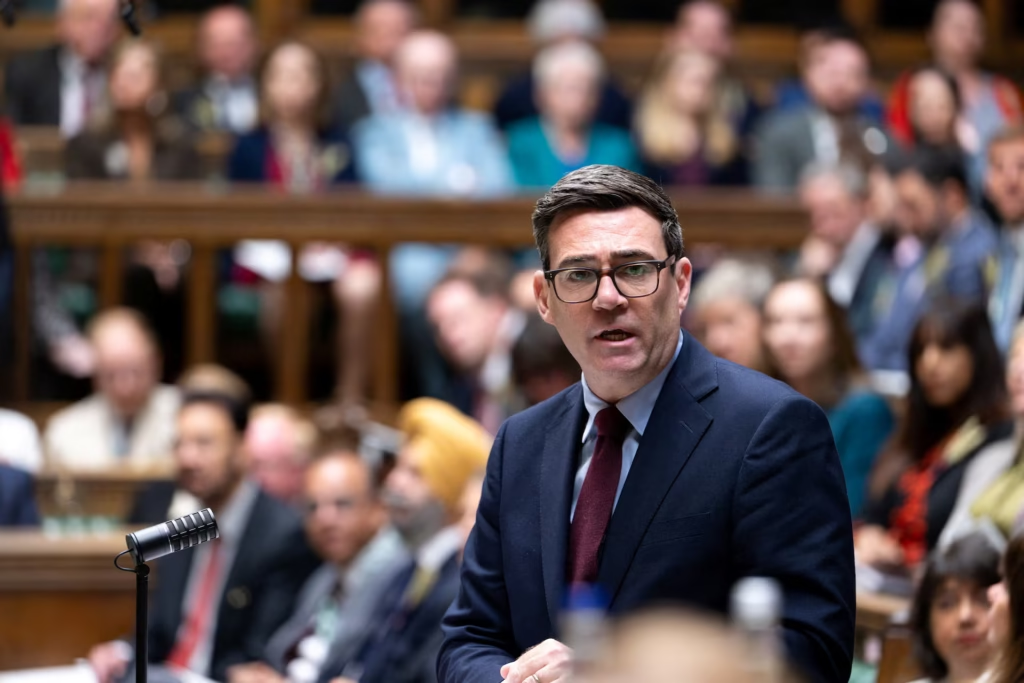
Burnham’s remarks follow comments earlier in which he ruled out rejoining the EU before the next general election, while expressing a personal desire to see Britain return to the bloc during his lifetime.
“I’m not proposing rejoining in this parliament,” the Prime Minister stated, adding that UK is “way, way, away from, from that at this particular moment in time.”
The Prime Minister maintained that his immediate priority is to improve the existing relationship with the EU rather than pursue membership during the current parliamentary term.
He also rejected the previous Conservative-negotiated Brexit deal, describing it as “bad for growth and bad for control of immigration.”
Andy Burnham argued that the consequences of Brexit had not matched the expectations set during the referendum campaign, pointing to a weakened economy and reduced control over immigration.
The Prime Minister further indicated that UK needed practical measures to improve its current arrangements with the bloc, while respecting the commitments made to voters.
“I am respecting what I said to the voters in Makerfield, but I’m not going to say this morning, sitting here, that the deal we’ve got at the moment is good enough for Britain.
“I think we can make it better and I’m going to lead a discussion about how do we make it better in a way that people can support.”
Andy Burnham
Liberal Democrat leader Ed Davey also turned to Britain’s economic future, agreeing that the country’s “best future lies back at the heart of Europe”.
However, Andy Burnham ruled out rejoining the EU customs union or single market during the current parliamentary term, stating: “We won’t be doing those things in this Parliament.”
Immigration and Economic Growth Drive EU Policy
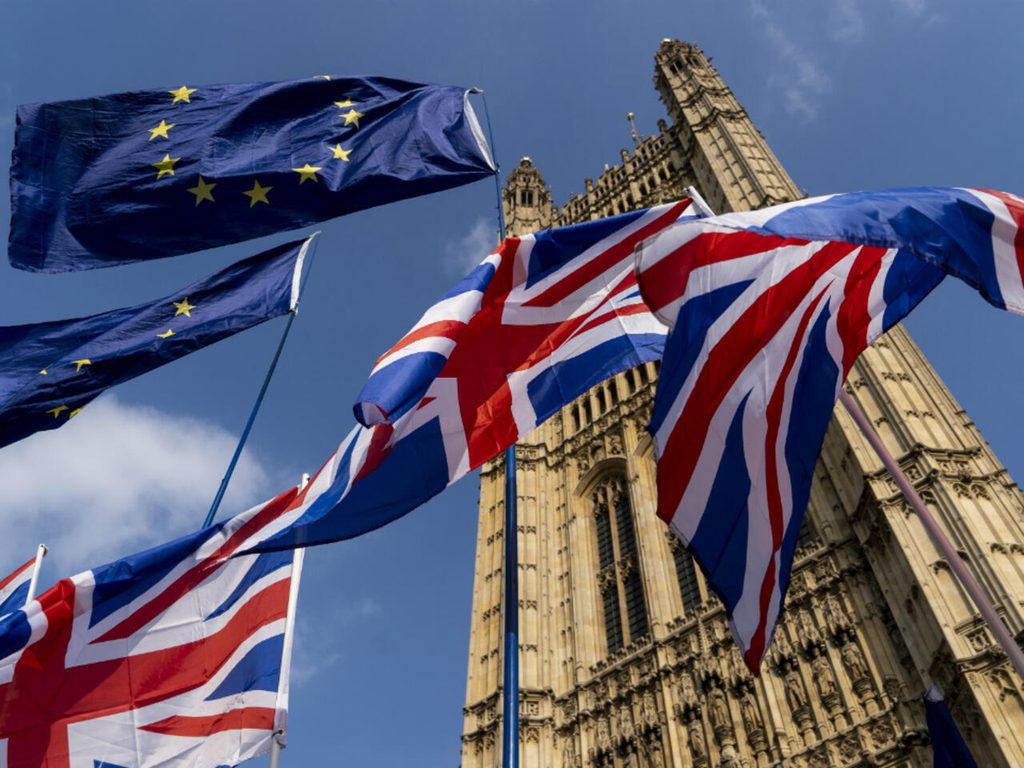
Meanwhile, immigration remains a central issue in the debate over Britain’s future relationship with the EU, with Burnham arguing that the current arrangements have created challenges for the country’s ability to manage migration.
The Prime Minister linked the small boats crisis to difficulties returning migrants, arguing that the UK had weaker control over immigration than before Brexit.
The Prime Minister also questioned the changes in migration patterns since the end of freedom of movement, arguing that longer-term permanent migration had replaced a more temporary pattern under the previous arrangements.
“We need to be honest about how it’s changed things in the last decade,” he noted, adding that the country needed an open discussion about the consequences of Brexit.
However, a return to closer economic integration has raised questions about freedom of movement, which has been a contentious issue in the UK’s relationship with the bloc.
Former EU Chief Brexit negotiator Michel Barnier has explained that freedom of movement will be a key condition for Britain to return to the EU single market, warning against attempts to select only the benefits of membership.
Andy Burnham is expected to meet EU leaders, including European Commission President Ursula von der Leyen, in Brussels on November 20 for discussions aimed at improving UK-EU relations.
The meeting is expected to provide an opportunity to explore practical areas of cooperation, as the government considers how closer economic ties could support British businesses and growth.
READ ALSO: Ghana Beat Korea to Reach Last 16 at U-15 World Cup