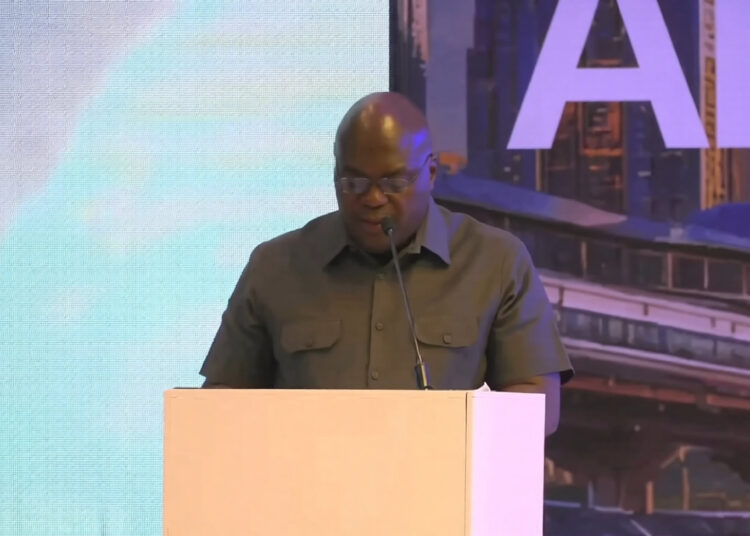
The Chief of Staff, Julius Debrah, has called for practical measures to advance reparatory justice for Africa and people of African descent.
Speaking at the Elevate Africa Annual Convening 2026, Honourable Debrah urged African leaders and institutions to move towards restoring dignity, reclaiming cultural heritage and expanding opportunities for future generations.
“What history took was not only wealth. What it took was dignity. It took ownership. It took citizenship. It took our names, our art, our humanity for the record, and it took our rightful share of power over our destiny.”
Julius Debrah
Representing the President of Ghana, Dr Debrah suggested that reparations must extend beyond financial compensation to address the lasting consequences of enslavement and historical exploitation. He emphasised that restoration should transform present conditions and strengthen Africa’s capacity to determine its own future.

Against this backdrop, the Chief of Staff highlighted Ghana’s diplomatic role in advancing the reparations agenda, particularly its leadership in securing “a United Nations General Assembly resolution on the trafficking of enslaved Africans and racialised chattel enslavement.”
The resolution, adopted on March 25, 2026, received 123 votes in favour, three against and 52 abstentions, recognising these historical crimes “as the gravest crime against humanity.”
Honourable Debrah explained that the resolution marked a significant shift in the international conversation because, for centuries, remembrance and commemoration have not been matched by adequate recognition and accountability. He asserted that naming the historical crime truthfully has helped move the reparations debate from sentiment towards institutional action.
Nevertheless, Dr Debrah cautioned that international recognition alone cannot deliver restoration, emphasising that a resolution must lead to tangible outcomes. As Ghana serves as the African Union’s champion on reparations, he pointed to the need for continental coordination and mechanisms capable of translating commitments into practical measures.
Referring to the Next Steps consultative conference hosted in Accra in June 2026, the Chief of Staff noted that participants agreed on a roadmap involving global advisory, cultural restitution and legal panels. He proposed that the next phase should establish a clear framework for addressing the historical dispossession of Africans and their descendants.
Furthermore, Honourable Debrah argued that cultural restitution must be treated as an essential component of justice. He identified royal stools, manuscripts and ancestral remains in foreign museums as repositories of African memory that deserve serious consideration within restitution efforts.
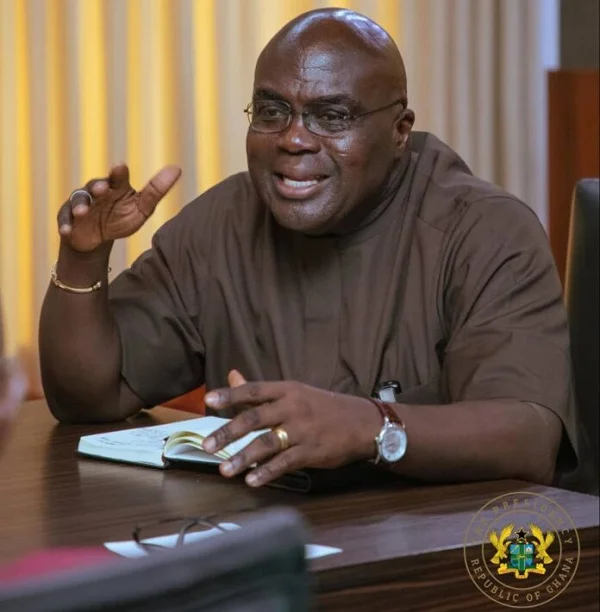
The Chief of Staff also linked reparatory justice to the recovery of African narratives and historical agency, insisting that truthful education should extend beyond the continent to schools elsewhere. In his view, restoring dignity requires Africans to shape how their histories are documented, taught and understood internationally.
Looking ahead, Dr Debrah called for an Accra Declaration and an African Union Decade of Justice and Reparations to sustain the campaign beyond individual speeches and diplomatic engagements. He urged the continent to build lasting institutions, including a reparations fund anchored in African capital and clear legal and cultural restitution mechanisms.
Chief of Staff Outlines Three Pillars of Reparations
At the Elevate Africa Annual Convening 2026, Chief of Staff Julius Debrah outlined three pillars through which reparatory justice could deliver meaningful change for Africa and its diaspora.
Honourable Debrah called for a framework that connects historical redress to cultural restitution, economic transformation and stronger participation by people of African descent in shaping the continent’s future.
He proposed that reparations should be assessed by whether they expand educational opportunities, create jobs and enable Africans to benefit from the value generated by their resources and creativity. The Chief of Staff also urged African countries to deepen relations with the diaspora through practical pathways for belonging, investment, skills exchange and shared institution-building.
“Let us commit to ensuring that Africa will no longer be a petitioner for repair but an architect of restoration. Let us also commit to institutions that outlive speeches.”
Honourable Julius Debrah
Developing his first pillar, dignity, Dr Debrah explained that restoration requires truthful accounts of African history in schools across the continent and beyond. He also called for the return of cultural heritage held abroad, asserting that African artefacts and ancestral remains represent collective memory and identity rather than objects whose return should depend on goodwill.
Turning to ownership, Honourable Debrah questioned how African creators and communities benefit when the continent’s cultural industries and natural resources generate substantial value. He highlighted African music, fashion and film as sectors in which creators may not receive a fair share of the wealth their work produces globally.
Consequently, the Chief of Staff proposed a shift from extraction towards production, supported by stronger African value chains, productive investment and greater control over trade. He linked this approach to the Accra Reset initiative, arguing that building industrial capacity and expanding trade among African countries could help recover economic agency lost through historical exploitation.
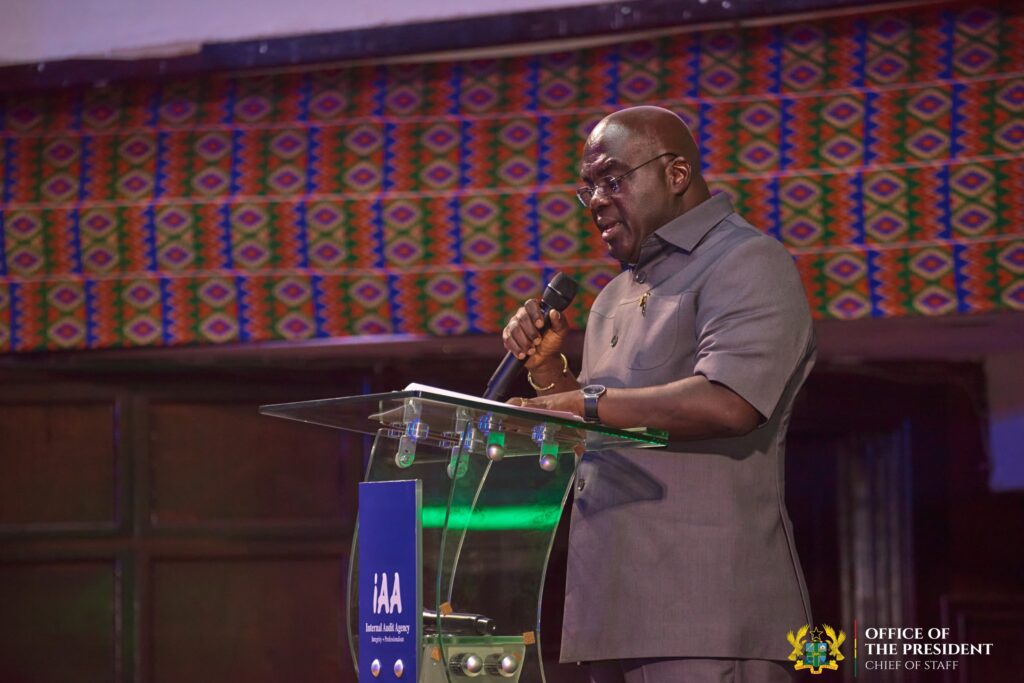
In addition to economic ownership, Dr Debrah called for a more substantive relationship between Africa and its diaspora. He challenged the tendency to treat diaspora communities merely as audiences for continental initiatives or sources of remittances, proposing instead a model built around participation, rights, investment protection, skills circulation and shared development.
Referencing Ghana’s Year of Return and existing citizenship pathways, Honourable Debrah asserted that these initiatives should provide a foundation for more extensive continental arrangements. He proposed protocols that would enable diaspora participation, protect investments, facilitate the movement of skills and support collaborative projects across African communities worldwide.
Meanwhile, the Chief of Staff called for stronger connections among Africa’s resources, capital, leadership and opportunities, identifying these relationships as essential to the continent’s progress. He urged the Elevate Africa gathering to help translate shared ambitions into durable programmes that connect cultural restitution with economic development and diaspora engagement.
READ ALSO: Stonebwoy Features on Hollywood Film ‘Boyz Trip’ Soundtrack