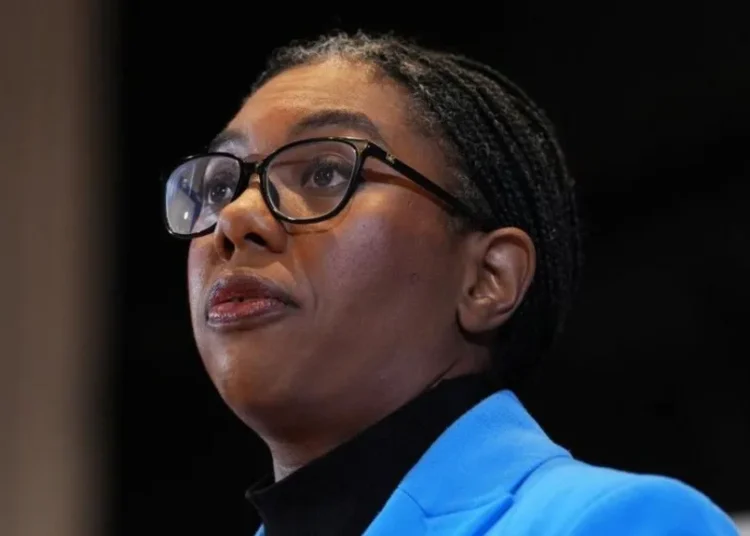
Conservative leader Kemi Badenoch has described the British Empire as “overall a force for good” while criticising Prime Minister Andy Burnham’s openness to a formal apology for Britain’s role in the transatlantic slave trade, intensifying a political dispute ahead of the Commonwealth Heads of Government Meeting (CHOGM) in Antigua and Barbuda.
The Conservative Leader warned that considering another apology risks encouraging Commonwealth countries to demand financial compensation, arguing that Britain should focus on strengthening its international relationships rather than revisiting historical grievances.
Her views follow Burnham’s willingness to engage Commonwealth nations in discussions about a formal apology while rejecting out financial compensation. The subject matter has gained traction ahead of the summit, where King Charles is expected to acknowledge slavery’s legacy with “unflinching honesty” and “sincere sorrow.”
Speaking in an interview, Kemi Badenoch acknowledged the atrocities associated with the British Empire but maintained that its overall historical contribution was positive.
“I have always said that I think that overall the British Empire was a force for good, and I think that we have to be honest about the history. Of course, there were terrible things that happened, but there were terrible things that happened all over the world in all empires, and even in countries and regions where they didn’t have empires.”
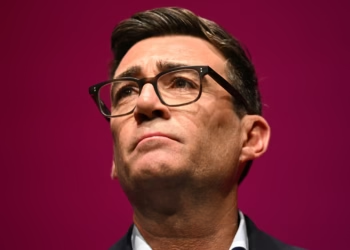
Conservative leader Kemi Badenoch
Badenoch Warns Against Further Slavery Apology
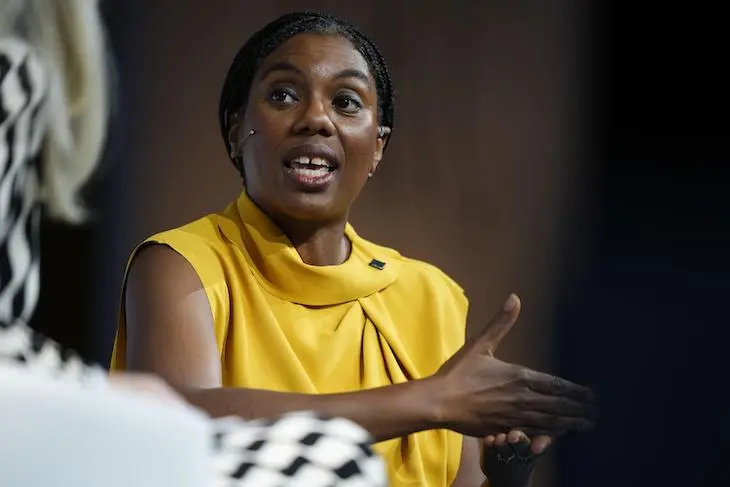
Kemi Badenoch accused Burnham of failing to consider the diplomatic implications of his position, particularly the potential pressure it could place on King Charles during his Caribbean visit.
She stressed that the Prime Minister’s willingness to consider an apology risked weakening Britain’s international standing and encouraging further demands from Commonwealth countries.
“It encourages many of those countries to think that we’re looking weaker than we are. I don’t want people to see Britain as a weak country. We are a strong country, and I want our Prime Minister to be the biggest defender of the UK. Not another person going in to start apologising.”
Conservative leader Kemi Badenoch
The Conservative leader added that Britain had apologised sufficiently for historical wrongs and should concentrate on contemporary challenges.
Badenoch also expressed concern that CHOGM could become another platform for demands for financial compensation over the slave trade.
She questioned the need for a further formal apology, arguing that it could open the door to reparations, and pointed to former Prime Minister Tony Blair’s 2007 expression of “deep sorrow and regret” over Britain’s involvement in slavery as sufficient acknowledgement.
Meanwhile, Royal commentator Jennie Bond has challenged Conservative leader Kemi Badenoch’s claim that former Prime Minister Tony Blair apologised for Britain’s role in the transatlantic slave trade.
According to Jennie Bond, Badenoch is “not being quite sincere or quite correct”, stressing that expressions of sorrow and an explicit apology were two different things.
She noted that successive Prime Ministers, King Charles and the Prince of Wales had acknowledged the atrocities of slavery and expressed profound sorrow without issuing a formal apology.
The Royal Commentator also dismissed Badenoch’s suggestion that Prime Minister Andy Burnham’s openness to an apology had placed pressure on the King during his Caribbean tour, arguing that the monarch was capable of navigating the diplomatic sensitivities.
She added that Buckingham Palace had been informed in advance of Burnham’s remarks, emphasising that the King understood his constitutional responsibility to follow the government’s position.
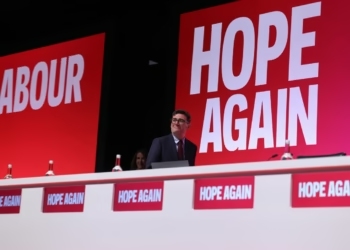
Burnham Rule Out Financial Reparations
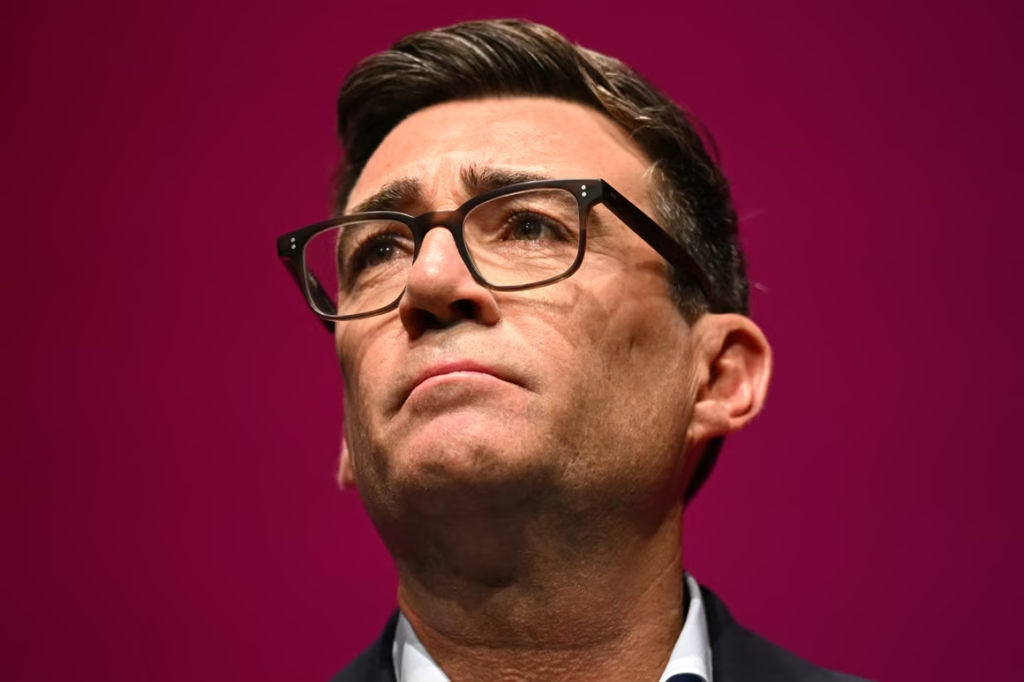
Burnham’s position has been to remain open to a formal apology while rejecting financial compensation for historical injustices.
Ahead of the Commonwealth summit, he proposed structured dialogue with countries and communities affected by the transatlantic slave trade, arguing that acknowledging Britain’s history could help strengthen relationships across the Commonwealth.
However, he maintained that people living in Britain today should not bear financial liability for historical wrongs in which they had no personal involvement.
Chancellor John Healey defended the government’s position, indicating that discussions about a formal apology should not be interpreted as an acceptance of financial responsibility by present-day Britons.
Speaking in an interview, Chancellor John Healey noted that the Prime Minister is open to discussing an apology ahead of the Commonwealth leaders’ meeting but did not consider reparations the appropriate response.
He stressed that current generations should not be held financially liable for events that occurred hundreds of years ago.
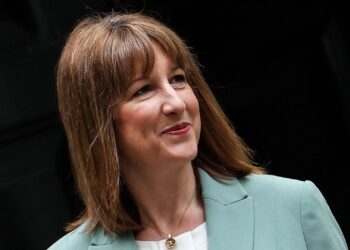
Chief Secretary to the Treasury Emma Reynolds also confirmed that a formal apology would not lead to financial reparations.
She described the symbolism of an apology as powerful but maintained that financial compensation was not under consideration.
Reynolds reiterated that British people today should not be held liable for historical wrongs in which they played no part, while pointing to Britain’s eventual role in ending the slave trade.
READ ALSO: Ghana Secures Six Russian Commitments After Mahama-Putin Talks