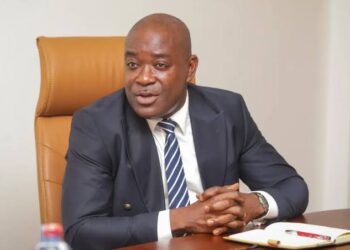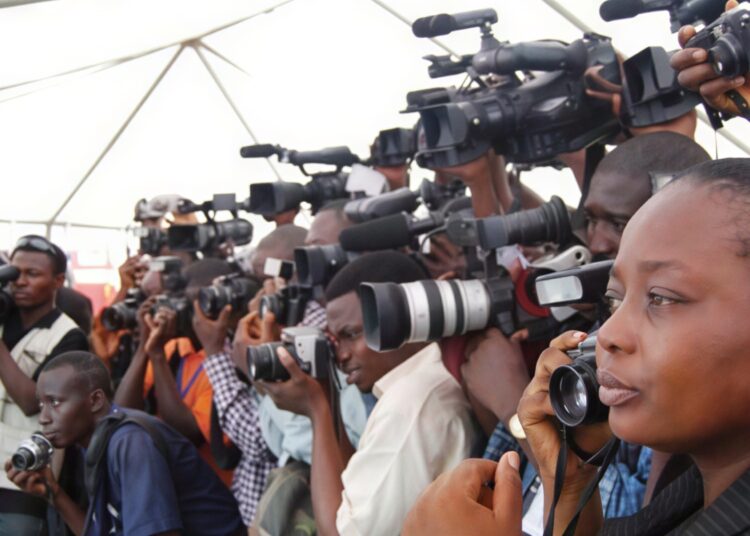
The Member of Parliament for Suhum and Deputy Ranking Member of Parliament’s Labour and Employment Committee, Honourable Frank Asiedu Bekoe, has called for stronger labour protections and improved working conditions for journalists in Ghana, urging Parliament to examine existing employment safeguards and ensure media practitioners receive adequate social protection.
Emphasising on journalists’ welfare, the Suhum MP identified inadequate conditions of service, weak pension coverage and insufficient employment security as issues requiring institutional attention.
“Journalists are not simply people who report events, but also inform citizens on what is going on and also investigate issues in our society… I must state that we cannot demand world-class journalism whilst we maintain a survival level conditions of service.”
Honourable Frank Asiedu Bekoe
Honourable Bekoe grounded his position in the democratic responsibilities journalists discharge, observing that their work extends beyond reporting daily events to informing citizens and investigating matters of public interest. He further characterised the media as the “fourth state of the realm” warning that without effective journalistic scrutiny, politicians and other institutions within the governance structure could lose accountability.
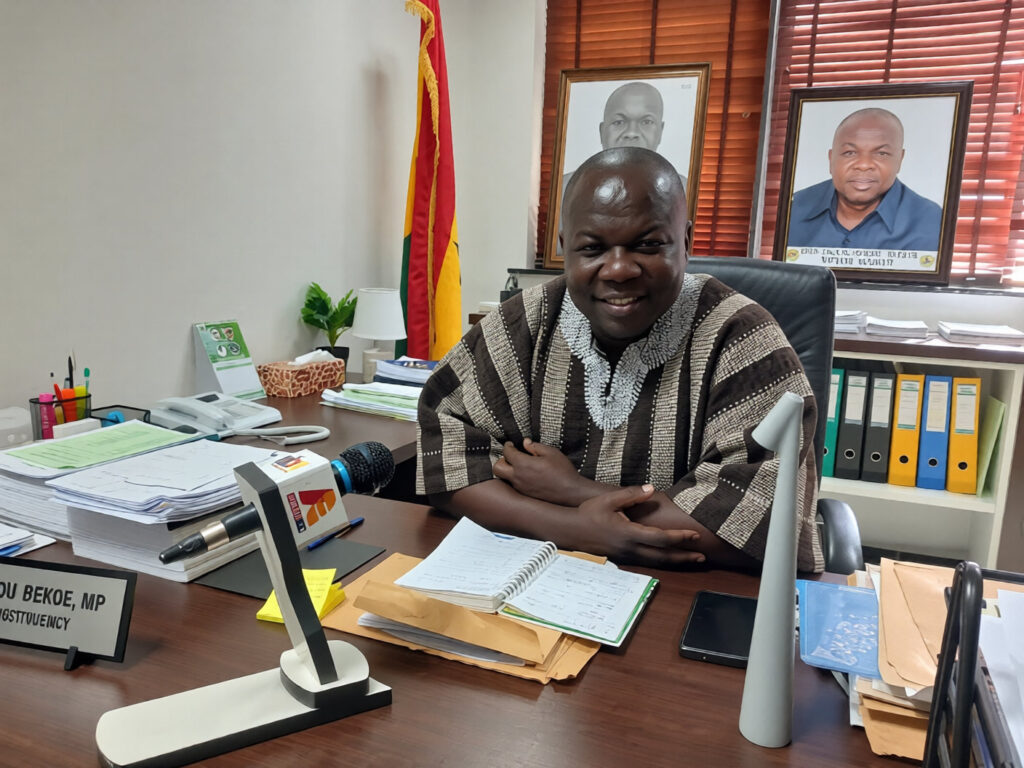
Against this backdrop, the Deputy Ranking Member proposed that Parliament strengthen the enforcement of existing labour legislation while assessing whether current provisions adequately accommodate changes in media employment.
He identified pension coverage, social security compliance and protections for journalists working under non-traditional arrangements as areas deserving particular scrutiny. “The labour law gives us arrangements within which employers should treat their employees, and journalists fall under this category,” he remarked, stressing that media practitioners should not be excluded from protections available to other workers.
In addition, the Suhum MP called for the National Media Commission (NMC) to have its mandate reinforced to promote sound corporate practices and ensure media organisations comply rigorously with labour laws. He clarified that the responsibility should extend to both public and private media institutions, making comprehensive engagement necessary.
Honourable Bekoe also proposed a structured consultation involving the Ghana Journalists Association, media owners, the NMC, the Ministries of Labour and Employment and Communication, organised labour, regional journalists and freelance practitioners.
He believes such engagement would help identify gaps in existing protections and establish practical measures to improve journalists’ welfare.
Journalists’ Unionisation Key to Securing Better Conditions of Service
Meanwhile, the Member of Parliament for Suhum, Honourable Frank Asiedu Bekoe urged journalists to organise themselves into unions to strengthen their bargaining power and secure improved conditions of service, cautioning that individual practitioners may struggle to negotiate better employment terms without collective representation.
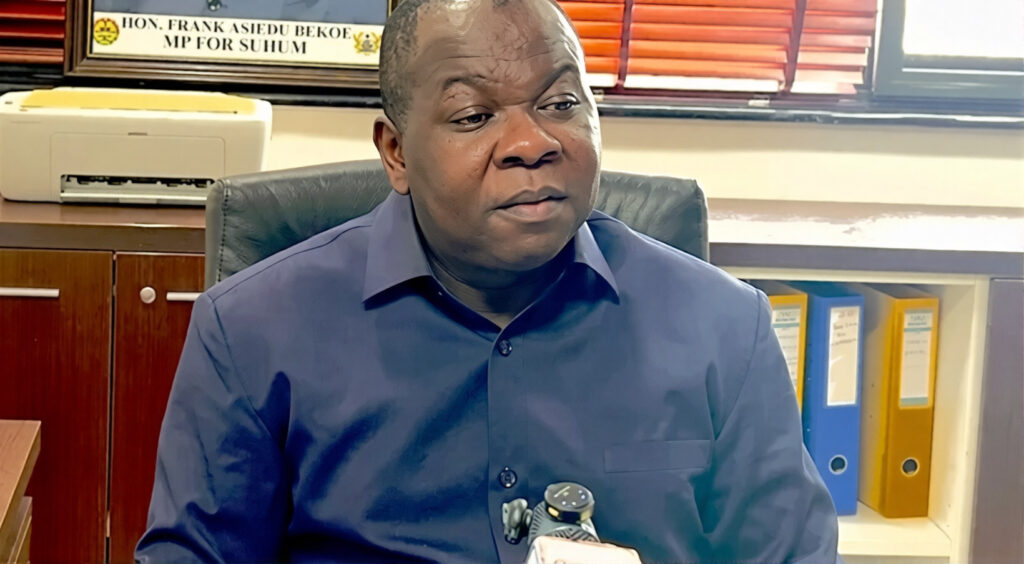
The Deputy Ranking Member of Parliament’s Labour and Employment Committee made the recommendation arguing against reliance on a proposed minimum wage as the sole remedy for poor remuneration and insecure employment across Ghana’s media industry.
“We should not push media personalities to choose between professional integrity and putting food on the table. We must ensure that they have the best conditions to deliver their work.”
Honourable Frank Asiedu Bekoe
Honourable Bekoe identified collective bargaining agreements as “a more sustainable mechanism” through which journalists could negotiate salaries, allowances, working hours, overtime payments, leave entitlements, health and safety provisions and formal employment contracts. He referenced practices in other countries where professional associations and unions provide workers with a stronger platform to negotiate their conditions of service.
The Suhum MP also flagged the vulnerability of journalists who work without formal contracts, questioning how such practitioners could secure their rights when disputes arise with employers.
He therefore encouraged media workers to join unions and strengthen their collective capacity to demand fair treatment. “If you don’t have contracts, who can fight for you?” he remarked, drawing attention to the difficulties facing journalists whose employment arrangements lack clearly established terms.
Addressing whether private media practitioners could legally unionise, Honourable Bekoe elucidated that Ghana’s labour legislation applies across both public and private employment arrangements. He consequently called for sustained engagement with media owners to improve their understanding of the legal framework and encourage compliance.
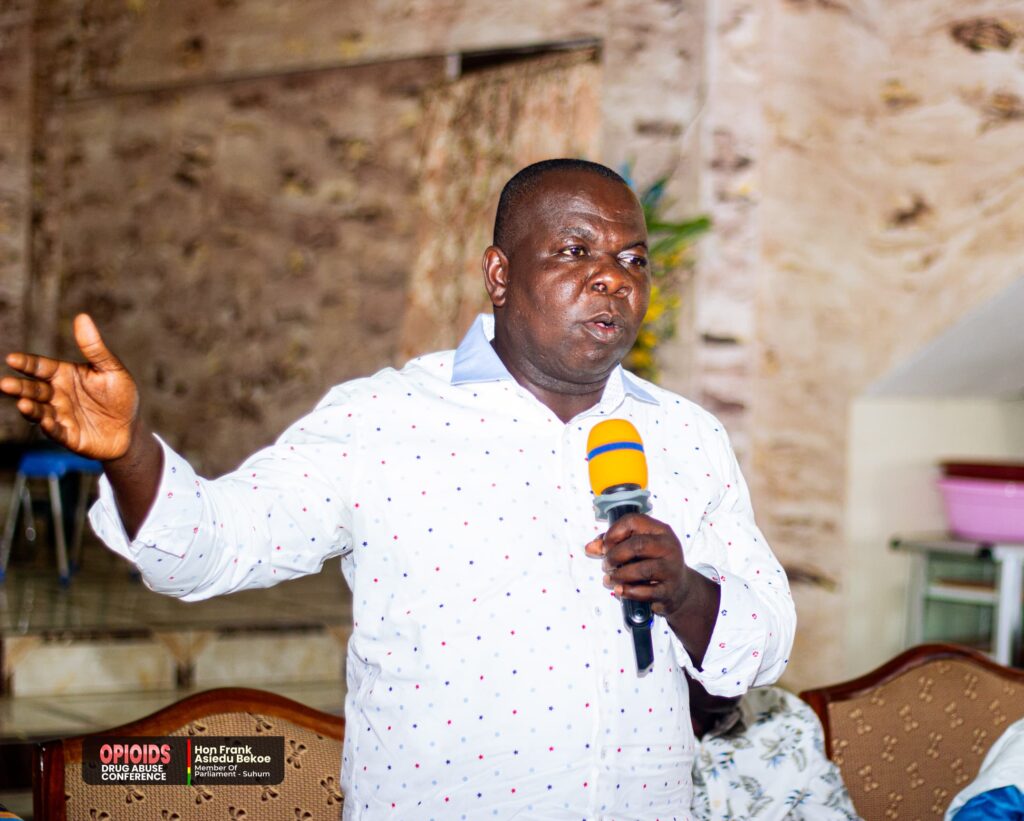
Beyond unionisation, the Deputy Ranking Member proposed incentives to support media organisations, particularly through funding opportunities established by anti-corruption institutions. Such resources, he suggested, could help media houses invest in professional development and investigative journalism.
He also identified the need for continued dialogue among journalists, media owners, professional associations and relevant public institutions, noting that the conversation around improving journalists’ welfare had already begun.
Collective organisation, enforceable employment arrangements and investment in professional capacity must work together to secure better conditions for media practitioners. He reiterated that improving journalists’ welfare is an essential consideration in protecting the quality of journalism and the country’s democratic development.
READ ALSO: Arsenal End 14-Year Anfield Winless Run After Gritty Win