A decline in international oil prices following renewed diplomatic efforts to end the US-Israeli war on Iran offers some relief to energy-importing economies, but for Ghana, the latest market movement does little to remove the structural exposure created by its dependence on imported petroleum products.
Oil prices fell by more than 1% on Monday, November 2, after Iranian and Qatari officials held a third consecutive day of talks aimed at ending the conflict.
Brent crude futures declined by $1.59, or 1.4%, to $111.84 per barrel, while US West Texas Intermediate fell by $1.56, or 1.5%, to $102.56.
The decline followed a strong October in which Brent ended the month at its highest level in six months, reflecting concerns that the conflict could escalate and further disrupt energy supplies.
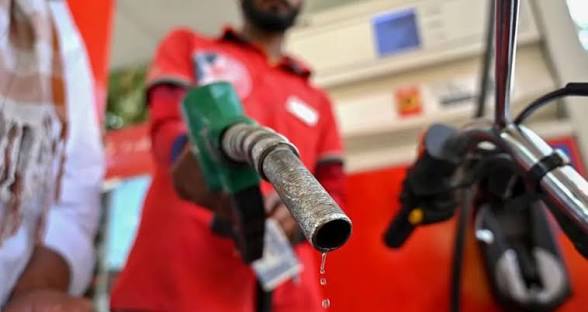
For Ghana, the movement matters because international crude and refined-product prices influence the cost of petroleum imports, domestic fuel pricing and the foreign exchange required to meet national energy demand.
Yet the latest decline should not be mistaken for a sustained reversal in the pressures facing the domestic market.
The central issue is that Ghana remains exposed to global petroleum markets even as it produces crude oil and has restarted operations at the Tema Oil Refinery (TOR).
Its ability to benefit from lower international prices will depend on the direction of global markets, exchange-rate movements, import costs and the extent to which domestic refining can meet local demand.
Diplomacy Eases Immediate Market Pressure
The latest decline in oil prices reflects a reduction in immediate market anxiety rather than confirmation that the supply risks associated with the conflict have disappeared.
It is reported that the talks between Iranian and Qatari officials were aimed at advancing efforts to end the war. Iranian Foreign Minister Abbas Araqchi said the discussions were continuing consultations with Qatari mediators, while indicating that Tehran remained prepared for both defence and diplomacy.
The market response suggests that traders were adjusting their expectations in light of the possibility of diplomatic progress and the absence of a major military escalation over the weekend.
Tim Waterer, chief market analyst at KCM Trade, described the decline as a technical correction following the previous week’s gains.
“Lingering hopes of some form of diplomatic progress, combined with the absence of any meaningful military escalation over the weekend, have taken some of the immediate heat out of prices for now.”
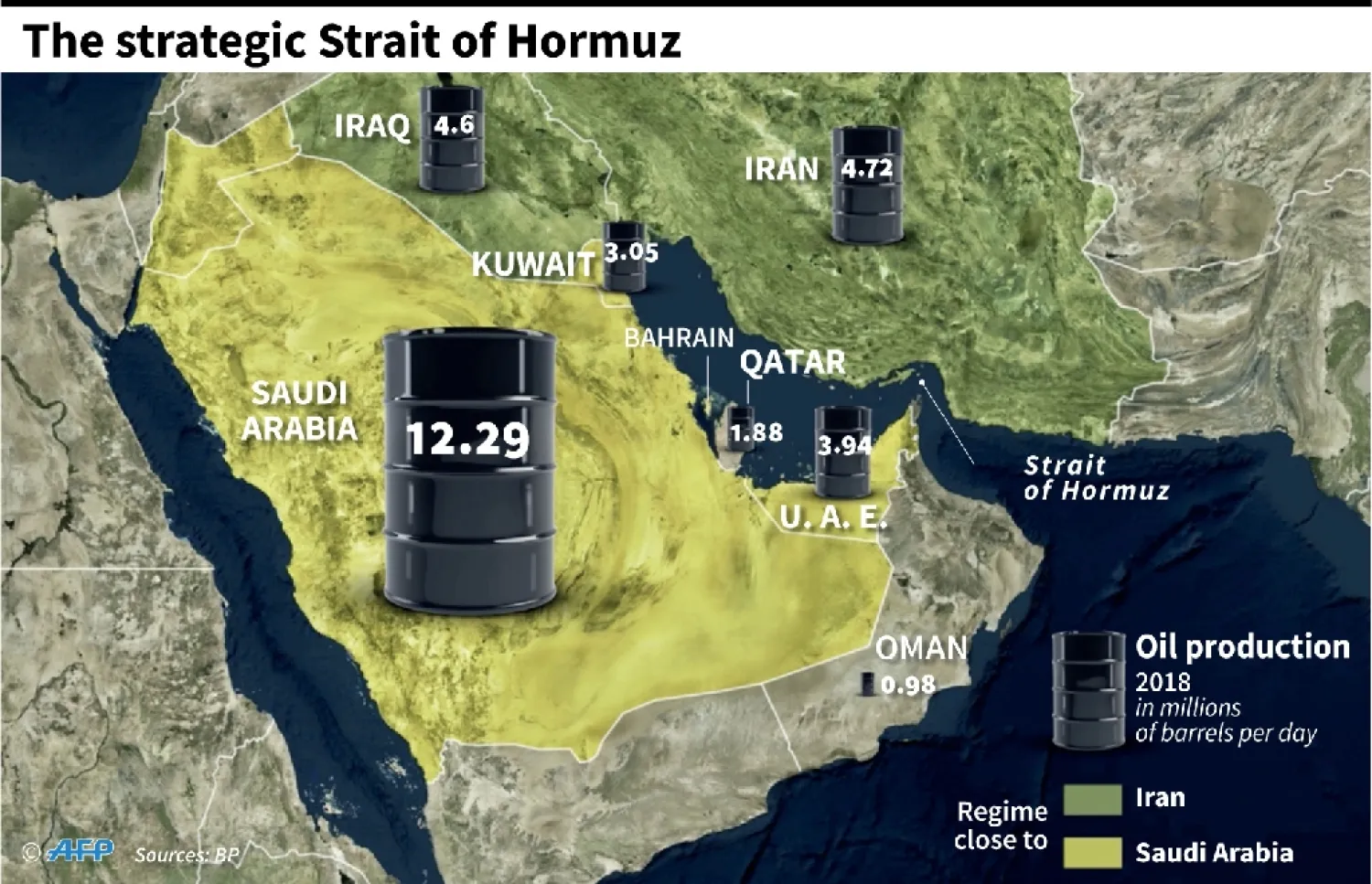
However, the risks remain significant. Reuters reported that attacks on oil tankers transiting the Strait of Hormuz continue to increase global energy and shipping costs.
The waterway is a critical route for international oil trade, making disruptions there a concern for producers, traders and importing countries.
Waterer also warned that renewed tensions could push Brent towards $120 per barrel after the US midterm elections.
This leaves the market responding to two competing forces: diplomatic efforts that could ease supply concerns and geopolitical developments that could quickly restore a risk premium to crude prices.
For Ghana, that uncertainty makes it difficult to base domestic energy planning on a short-term decline in international benchmarks.
Ghana’s Import Exposure Remains The Bigger Vulnerability
The connection between global oil prices and Ghana’s domestic fuel market is particularly important because the country imports a substantial proportion of its petroleum requirements.
Figures reported from the National Petroleum Authority (NPA) indicate that imports accounted for approximately 76% of Ghana’s petroleum supply between January and August 2026, while local refineries supplied the remaining 24%.
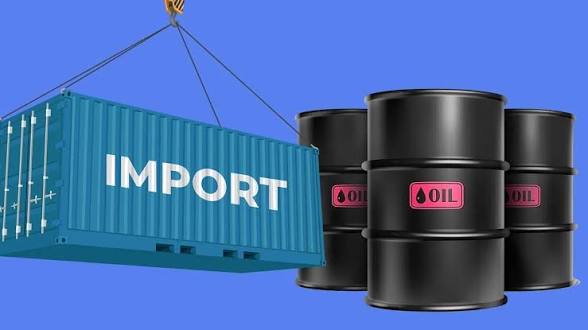
That dependence means movements in international markets can affect the cost of supplying the domestic market, even when Ghana is producing crude oil.
The Public Interest and Accountability Committee (PIAC) has also highlighted this vulnerability. Its 2026 petroleum revenue outlook was revised above $1 billion in October amid higher international oil prices, but the committee warned that the same price movements could increase the cost of imported petroleum products.
PIAC Chairman Richard Ellimah has explained the contradiction facing the country: higher crude prices can improve petroleum receipts while increasing the cost of fuel for consumers.
The implication is that Ghana’s position as an oil producer does not automatically insulate households and businesses from international price movements.
The country must consider both sides of its petroleum trade: the revenue generated from crude exports and the cost of importing refined products to meet domestic demand.
A decline in crude prices could therefore ease some import-cost pressures, but it could also reduce the value of Ghana’s crude exports and potentially affect petroleum revenue expectations.
The net effect will depend on the country’s production levels, export arrangements, import volumes and the exchange rate.
TOR’s Return Provides A Domestic Buffer
The resumption of operations at TOR offers Ghana one means of reducing its exposure to imported finished petroleum products.
TOR Managing Director Edmond Kombat recently told the Government Accountability Series that the refinery’s return to operations had helped contain fuel-price pressures during the previous pricing windows.
The refinery restarted its Crude Distillation Unit on December 19, 2025, after it had remained idle since April 2021. Kombat said TOR had received more than five million barrels of crude oil in 2026, compared with none in 2024.
He also indicated that domestic refining, alongside government interventions, had helped cushion consumers against international price pressures.
“We are witnessing Ghanaian crude being refined by Ghanaian engineers in a Ghanaian refinery effectively linking Ghanaian petroleum upstream, midstream and downstream together.”
The return of domestic refining is important because it creates the possibility of processing crude locally rather than relying entirely on imported finished products.
However, it does not eliminate Ghana’s exposure to international crude prices, nor does it mean the country has become self-sufficient in refined petroleum products.
TOR’s current maximum processing capacity of 45,000 barrels per stream day remains below the country’s reported daily imports of 128,000 barrels of clean petroleum products in 2025.
The refinery’s contribution should therefore be assessed as part of a wider effort to strengthen domestic supply, rather than as a complete solution to import dependence.
November Prices Show Uneven Domestic Pressures
The latest NPA price floors for November also demonstrate why a decline in international crude prices does not necessarily translate into uniform reductions across the domestic petroleum market.
For the first pricing window of November, the NPA reduced the petrol price floor from GH¢16.09 to GH¢15.39 per litre and LPG from GH¢13.89 to GH¢13.73 per kilogram.
Diesel, however, moved in the opposite direction, with its price floor rising from GH¢17.09 to GH¢17.41 per litre.
The adjustments show that domestic fuel prices are influenced by several factors, including international product prices, exchange-rate movements and the costs and margins applied across the supply chain. The price floors also do not guarantee the final pump prices charged by individual marketers.
Consequently, Monday’s decline in crude prices should not be interpreted as an immediate promise of lower prices at filling stations.
The Need To Build Resilience Beyond Price Movements
The latest market correction reinforces the importance of reducing Ghana’s vulnerability to external supply and price shocks.
Domestic refining can help retain more value within the economy and reduce reliance on imported finished products. However, its contribution will depend on reliable refinery operations, adequate crude supply, commercially sustainable processing costs and sufficient infrastructure for storage and distribution.
The country must also address the production side of its petroleum economy. Higher crude output could strengthen export earnings and improve the resource base available to support the domestic economy, although it would not automatically resolve the country’s refined-product import requirements.
For consumers, the immediate question is whether lower international prices will eventually translate into relief at the pumps. For policymakers, the more consequential question is how to reduce the extent to which domestic fuel supply and prices are exposed to events beyond Ghana’s control.
The diplomatic talks surrounding Iran may take some pressure off oil markets, but the underlying vulnerability remains.
Ghana’s energy security will therefore depend less on temporary movements in Brent crude and more on its ability to strengthen domestic refining, improve petroleum production, manage import costs and build a supply system capable of withstanding another period of global disruption.
READ ALSO: AI Fraud Threat Forces CIB Ghana to Rethink Banking Standards