



OPEC+ has kept its December oil production targets unchanged, postponing its next major supply-policy decision until the end of November as the group weighs the disruption caused by the Iran war against the possibility of a significant supply surplus in 2027.
The decision by seven core members of the alliance reflects the difficulty of setting production policy when geopolitical conflict is restricting exports, limiting visibility over available production capacity and complicating expectations for future demand and supply.
For Ghana, the development carries implications beyond the international oil-price outlook. As a crude producer that also relies heavily on imported refined petroleum products, the country is exposed to the competing effects of OPEC+ decisions: the potential impact on crude export earnings and the cost of supplying its domestic fuel market.
It is reported that Saudi Arabia, Russia, Iraq, Kuwait, Algeria, Kazakhstan and Oman agreed at an online meeting on Sunday, November 1, to maintain December production targets at existing levels.
The decision confirms expectations that further policy adjustments are unlikely before 2027, while the full 21-member OPEC+ group is scheduled to meet on November 29 to determine its production framework and quotas for next year.
The immediate decision may appear limited, but the more consequential issue is the uncertainty surrounding the group’s next production cycle and how it will respond if disrupted exports return to the market.
December Stability Masks A More Difficult Decision
The decision to leave December targets unchanged comes after OPEC+ members spent much of 2026 increasing their production targets.
In September, the seven core members completed the phased rollback of a 1.65 million-barrel-per-day supply cut originally agreed in 2023. However, another layer of production cuts of approximately 2 million barrels per day remains in place for most members through the end of 2026.
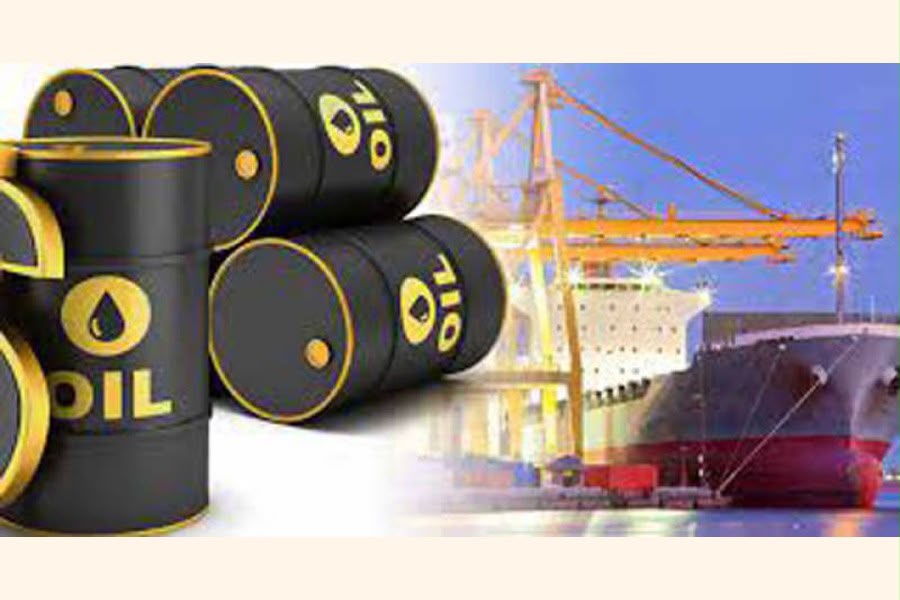
The group is therefore entering the final months of the year with a combination of higher production targets and continuing restrictions, while actual output in several Gulf countries remains below the levels they are permitted to produce.
The Iran war has disrupted exports and affected the ability of some producers to deliver the volumes implied by their targets. This distinction between agreed production levels and actual supply is important: a higher quota does not necessarily mean that additional barrels are reaching the international market.
The seven members have been increasing targets, but Reuters reported that most Gulf producers are still pumping below their permitted levels because of export disruptions.
Jorge Leon, an analyst at Rystad, described the latest decision as relatively straightforward compared with the challenge ahead.
“The much more important test comes at the November 29 ministerial meeting, when OPEC+ will decide its 2027 production framework.”
The November meeting will have to address a more complicated set of assumptions about the conflict, export recovery and the production capacity available to individual members.
The Iran War Has Complicated OPEC+’s Supply Planning
The conflict has created uncertainty not only around the volume of oil reaching the market but also around the ability of producers to expand capacity.
It is reported that attacks on energy infrastructure and export disruptions have affected the Gulf region, while projects intended to increase production capacity have also been disrupted.
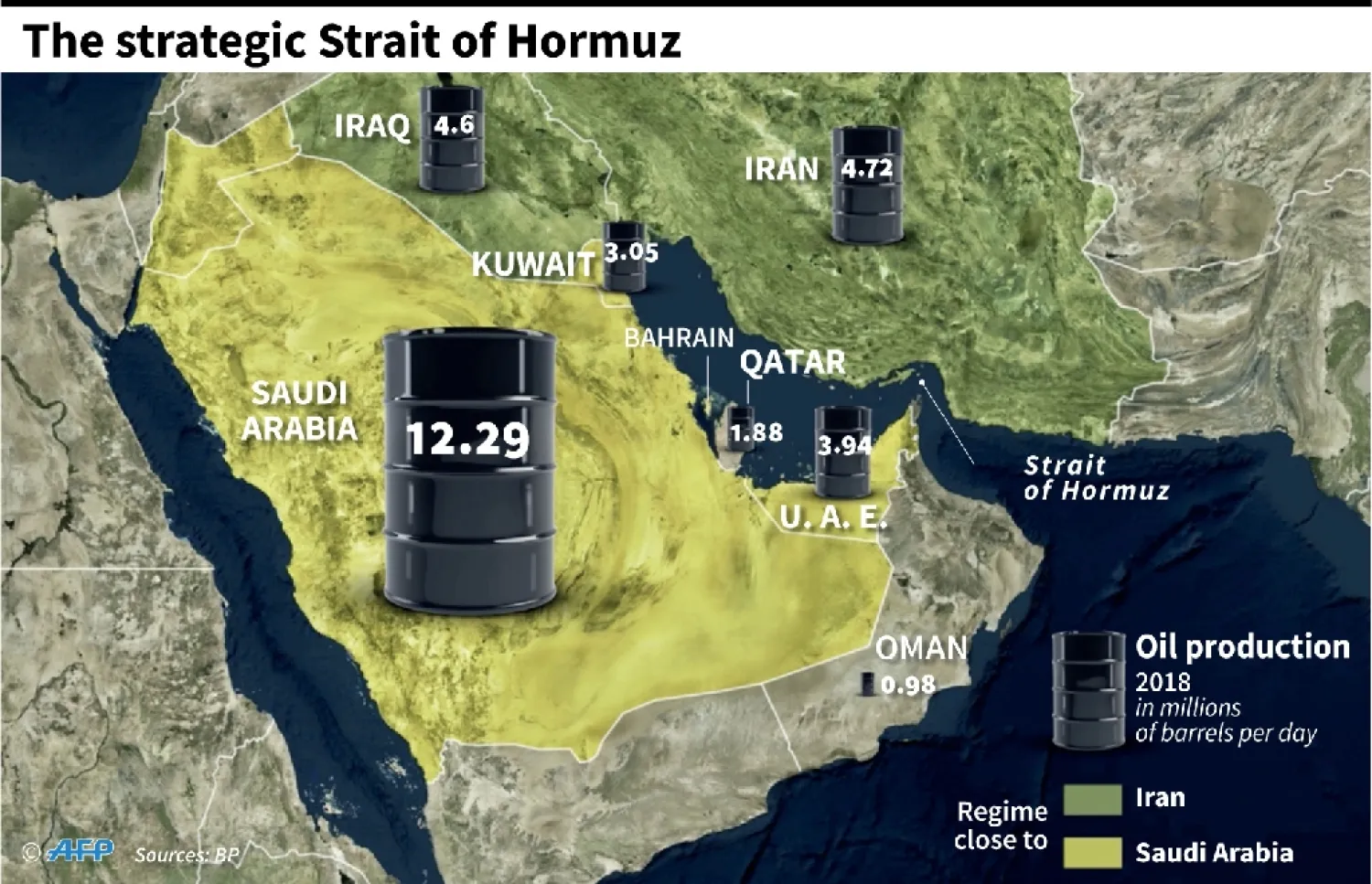
The group must therefore assess how much oil its members can realistically produce before establishing the baselines that will determine future quotas.
A capacity review, initially expected to be completed during the fourth quarter, is now expected by mid-November. The review will inform the production baselines used to determine members’ future allocations and the possible unwinding of existing cuts.
This is important because production targets are only meaningful when they reflect the actual capacity of member countries. Setting quotas on the basis of outdated or disrupted capacity estimates could create disagreements between members and complicate the group’s ability to manage supply.
The uncertainty also works in the opposite direction. If exports recover faster than expected, the market could receive a substantial volume of additional crude at a time when demand may not be strong enough to absorb it without downward pressure on prices.
Leon warned that the group faces difficult decisions because of uncertainty over the conflict and the pace at which shipments through the Strait of Hormuz could recover.
The Risk Of A 2027 Supply Surplus
The prospect of additional supply returning to the market is a central concern for OPEC+.
The International Energy Agency and other forecasters have warned of the possibility of excess supply in 2027 if Gulf exports return to normal.

This creates a difficult balancing act for the alliance. Producers have an interest in restoring disrupted output and recovering export revenues, but a rapid increase in supply could place downward pressure on crude prices.
The market has already demonstrated how quickly geopolitical developments can influence expectations. Brent crude settled near $118 per barrel on Friday, its highest level since April, as traders considered the possibility of further escalation in the Iran war.
Yet the prospect of normalised exports introduces another risk: prices supported by geopolitical supply concerns could weaken if disrupted barrels return in substantial volumes.
For OPEC+, the challenge is therefore not simply whether to increase or reduce production. It is determining the timing and scale of adjustments in a market where both supply availability and future demand remain uncertain.
A production framework that is too restrictive could limit members’ ability to benefit from improved export conditions. One that expands supply too quickly could contribute to a surplus and weaken prices.
The November 29 meeting will consequently have implications for the direction of the oil market well beyond December.
Ghana Faces A Two-Sided Oil Market Exposure
The production decision is relevant to Ghana because the country occupies two positions in the international petroleum market: it exports crude oil and imports substantial quantities of refined petroleum products.
When international crude prices rise, Ghana may benefit from higher values for its crude exports, depending on production volumes and the terms of its petroleum agreements.
But higher oil prices can also increase the cost of importing petroleum products, placing pressure on consumers, businesses and the wider economy.
PIAC has previously highlighted this contradiction in its assessment of Ghana’s petroleum revenue outlook. In October, the committee raised its 2026 petroleum revenue projection above $1 billion, citing higher international oil prices amid the Iran-related conflict.
At the same time, it warned that Ghana’s reliance on imported petroleum products leaves consumers exposed to higher fuel costs.
The country’s crude production also limits the extent to which it can benefit from higher prices. Ghana produced approximately 37.3 million barrels in 2025, according to figures reported in the PIAC outlook discussion, while domestic demand for petroleum products remains substantially larger than the country’s crude production.
This means Ghana cannot be assessed simply as an oil-producing economy that benefits whenever international crude prices increase.
The impact of OPEC+ policy will depend on how its production decisions influence the balance between crude supply, export prices and the cost of imported products.
Ghana is not a member of OPEC+, so it does not participate in the alliance’s production-target decisions. Nevertheless, the group’s policies influence the international market in which Ghana sells its crude and purchases petroleum products.
Domestic Refining Offers Some Protection, Not Full Insulation
The resumption of operations at Tema Oil Refinery provides Ghana with an additional mechanism for managing its exposure to global petroleum markets.
TOR’s return to refining has strengthened the possibility of supplying part of the domestic market with locally processed products. Its Managing Director, Edmond Kombat, has said the refinery’s operations helped contain fuel-price pressures during recent pricing windows.
However, domestic refining does not remove the influence of international crude prices. The cost of crude feedstock, processing, financing, imported inputs and other operating expenses remains relevant to the commercial viability of local production.
Nor does the refinery currently have the capacity to meet all domestic demand. Its reported maximum processing capacity of 45,000 barrels per stream day is below Ghana’s daily imports of clean petroleum products recorded in 2025.
The development of domestic refining capacity can therefore reduce dependence on imported finished products, but it must be accompanied by reliable crude supply, efficient operations and competitive production costs.
For Ghana, the longer-term objective should be to ensure that changes in global production policy do not translate into disproportionate pressure on domestic fuel supply and prices.
November 29 Will Set The Direction For 2027
The upcoming OPEC+ ministerial meeting will be more consequential than the December decision because it is expected to establish the production framework for the following year.
The outcome will depend partly on the capacity review, the state of export infrastructure and the extent to which the Iran conflict continues to affect regional production and shipping.
If exports recover, the alliance will have to decide how quickly to allow additional supply into the market without creating an imbalance. If disruptions persist, producers may have to work with lower actual output despite higher production targets.
For Ghana, either outcome carries consequences. A stronger supply recovery could ease international price pressures but may also weaken crude export earnings. Continued disruptions could support higher prices while increasing the cost of imported petroleum products.
The country’s policy challenge is to manage both sides of that exposure through stronger domestic production, more reliable refining capacity and improved resilience across the petroleum supply chain.
OPEC+’s decision to hold December targets steady has preserved the current production framework for another month. But the more difficult question is how the alliance will manage the transition into 2027.
For Ghana, the significance lies in the fact that the next phase of global oil policy will shape the market conditions under which it earns from crude production and pays for the petroleum products its economy consumes.
READ ALSO: Two Techiman SHS Teachers Arrested Over Alleged Assault of Student