Ghana’s economic recovery is heading towards a crucial stage as the government prepares to shift its attention from stabilising the economy to creating jobs, attracting productive investment and improving living standards through the 2027 Budget.
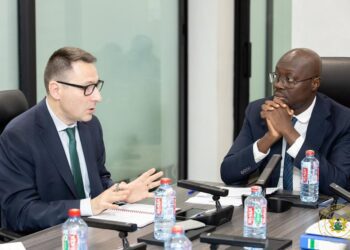
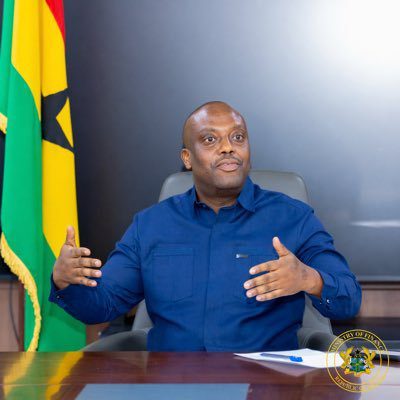
Deputy Finance Minister Thomas Nyarko Ampem has indicated that the upcoming budget will focus on translating recent macroeconomic improvements into tangible economic opportunities for ordinary Ghanaians, signalling what could become a significant new phase in the government’s economic agenda.
Speaking at the Ghana Statistical Service’s Ghana Numbers, 2025 programme, Mr Ampem disclosed that the proposed theme for the 2027 Budget and Economic Policy would likely be “Moving Ghana from Stability to New Economy”.
The proposed direction suggests that the government wants to move beyond the immediate task of restoring economic stability and begin delivering the employment and investment opportunities that Ghanaians have been waiting for.
It also raises expectations about the government’s ability to turn improving economic indicators into meaningful improvements in household incomes, business activities and the broader standard of living.
Ghana Prepares to Move Beyond Economic Stabilisation
The proposed 2027 Budget comes at a time when the government believes significant progress has been made in restoring confidence in the economy and strengthening macroeconomic conditions.
Mr Ampem pointed to improvements in economic growth figures and other indicators as evidence that the country has made progress towards stabilisation.
“These developments are evident when it comes to the current growth numbers and macroeconomic indicators.”
Thomas Nyarko Ampem
His remarks suggest that the government considers the stabilisation phase an important foundation for pursuing a more ambitious economic transformation agenda.
After years of economic pressures that affected businesses, households and public finances, the focus is now shifting towards ensuring that the recovery produces benefits beyond improved figures on economic dashboards.
The proposed transition to a new economy could therefore become one of the defining policy directions of the Mahama administration as it seeks to strengthen productive sectors, expand employment opportunities and improve economic conditions.
However, the real test will be whether the next budget can provide the resources, policies and incentives needed to make these ambitions achievable.
Jobs and Investment Take Centre Stage
One of the most significant elements of the proposed budget direction is its emphasis on employment creation.
While economic stability is essential for sustainable development, its benefits are often measured by what it makes possible for businesses, workers and households.
The government now faces pressure to demonstrate that improvements in macroeconomic conditions can translate into more employment opportunities, stronger business expansion and increased private sector participation.
Mr Ampem indicated that the Finance Minister would seek to ensure that the gains made in stabilising the economy deliver tangible benefits to the population.
These benefits are expected to come through employment, investment and improved living conditions.
The emphasis on productive investment is particularly important because sustainable job creation requires more than government spending and short-term interventions.
Businesses must be able to expand operations, access financing, invest in equipment and create new opportunities for workers.
A budget that successfully encourages investment into productive sectors could strengthen the relationship between economic growth and employment creation.
It could also help address concerns about the quality and sustainability of jobs being generated across the economy.
Fiscal Discipline Remains Central to the New Agenda
Beyond the improving growth figures, the Deputy Finance Minister also highlighted progress in restoring fiscal discipline.
This is an important consideration as the government prepares to move into the next phase of its economic programme.
Maintaining fiscal discipline will be critical to ensuring that new spending commitments do not undermine the stability achieved in recent years.
The challenge will be finding the right balance between investing in economic transformation and maintaining control over public expenditure.
Ghana needs investments capable of expanding productive capacity, supporting businesses and generating employment. At the same time, the government must remain mindful of debt sustainability, revenue mobilisation and the overall fiscal position.
The 2027 Budget will therefore be expected to demonstrate how the government intends to finance its development priorities without reversing the progress made in restoring confidence in public finances.
This balance could prove particularly important as the government seeks to attract private capital and encourage greater participation in the productive economy.
November 12 Set for Major Budget Presentation
Mr Ampem also announced that the government will present the 2027 Budget and Economic Policy to Parliament on November 12, 2026.
The presentation will mark an important moment in the government’s economic policy calendar, providing Parliament and the public with a clearer picture of its priorities for the coming financial year.
The November 12 presentation will also allow sufficient time for parliamentary scrutiny, debate and approval before the commencement of the 2027 financial year.
Attention will likely focus on the specific programmes, expenditure allocations and policy measures the Finance Minister will outline to support the proposed transition towards a new economy.
Businesses, investors and households will also be watching closely for measures that could influence investment decisions, employment prospects and the cost of living.
The budget’s proposed theme has already established an ambitious expectation. What remains is the policy detail that will determine how that ambition translates into action.
The Real Test Begins With Implementation
Ghana’s economic recovery presents an opportunity to pursue a more sustainable development path, but maintaining stability alone will not be enough to satisfy the expectations of a population looking for better economic opportunities.
The shift towards a new economy will require deliberate investment in productive activities, stronger private sector participation and policies that encourage businesses to create sustainable employment.
It will also require the government to ensure that economic growth becomes more inclusive, reaching households and communities that may not immediately feel the benefits of improving macroeconomic indicators.
As November 12 approaches, the 2027 Budget is shaping up to be more than another annual financial statement. It represents an opportunity for the government to demonstrate how the progress made in stabilising the economy can become the foundation for jobs, investment and improved living standards.
Ultimately, the success of the proposed new economic direction will not be determined by its theme alone, but by how effectively its policies improve the everyday economic realities of Ghanaians.
READ ALSO: CTVET, UNESCO Promote TVET Awareness Among Effutu Students