The Ghana Grid Company Limited (GRIDCo) is seeking to reassure residents and businesses in the Ashanti Region that ongoing transmission infrastructure upgrades will address electricity supply challenges, as the company intensifies work on critical facilities serving Greater Kumasi.
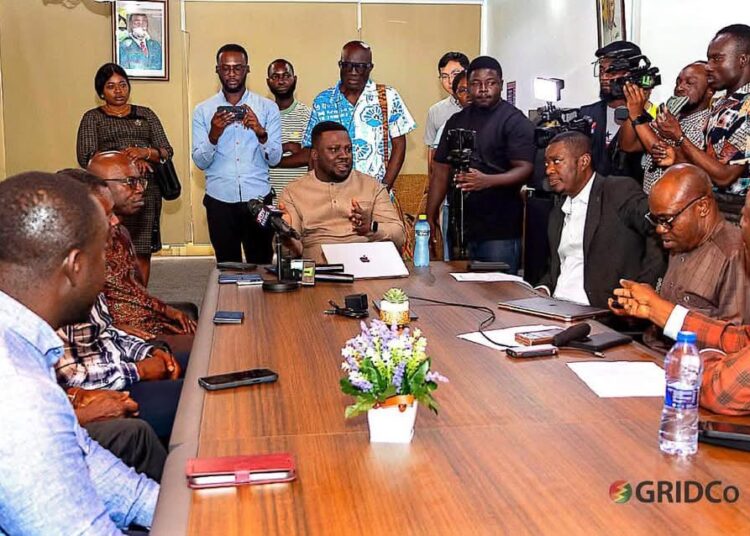
GRIDCo Chief Executive Ing. Frank Asirifi Otchere led a management delegation, including Deputy Chief Executive for Engineering and Operations, Ing. Samed Ibrahim, to brief Ashanti Regional Minister Dr Frank Amoakohene on the interventions. Officials of the Electricity Company of Ghana (ECG) also participated in the engagement.
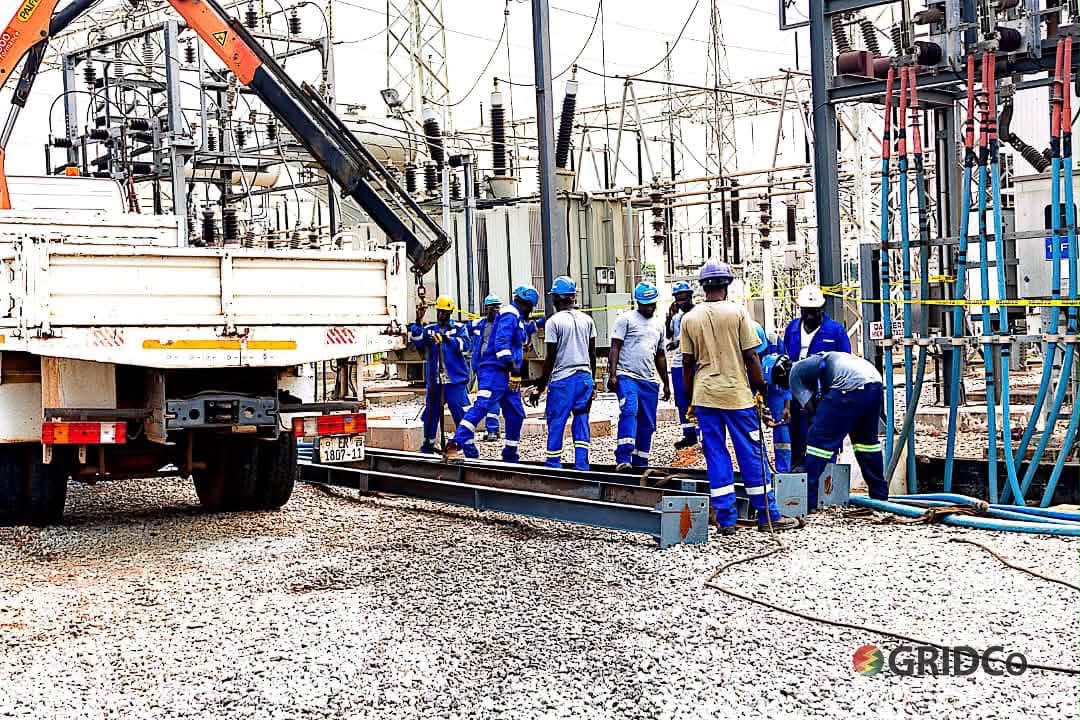
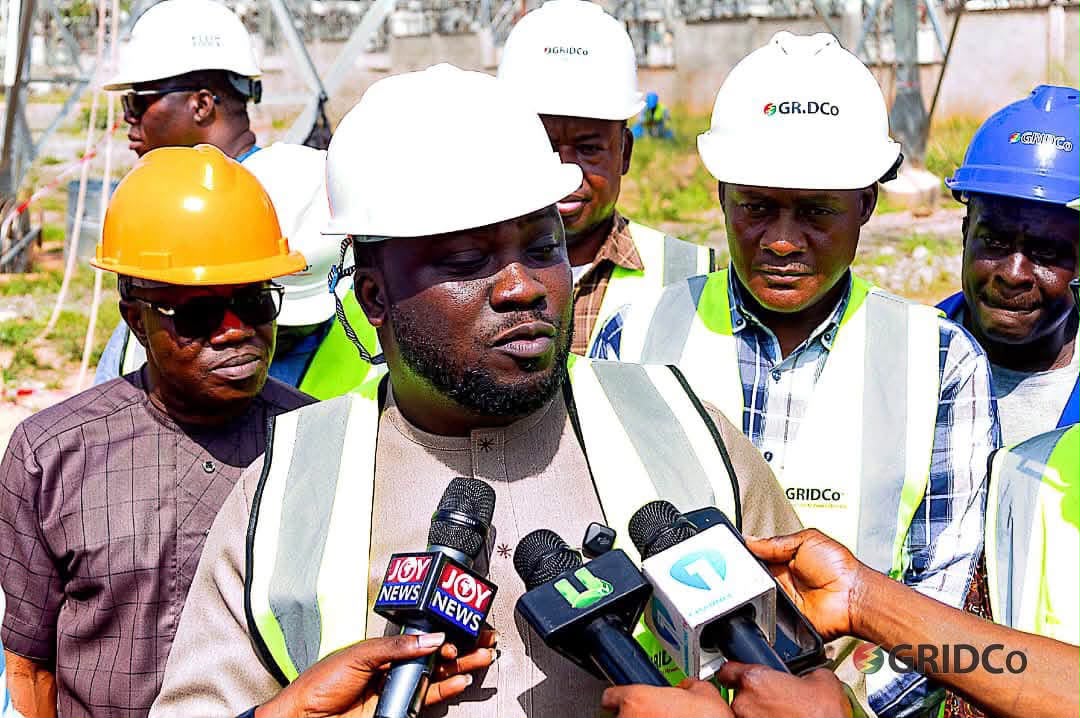
The meeting included a visit by the Minister and the media to ongoing transmission line stringing works, the GRIDCo Kumasi Substation and the Anwomaso Bulk Supply Point, providing an opportunity to examine the physical progress of the projects and the technical measures being implemented.
The engagement follows weeks of public concern over intermittent electricity supply in the region and planned interruptions associated with the 161kV Anwomaso–Kumasi transmission line upgrade and transformer installation works.
While GRIDCo has presented the projects as necessary investments to strengthen electricity delivery, the central test will be whether the additional transmission capacity and supporting infrastructure translate into more dependable supply for consumers.
Moving Beyond Temporary Power Interruptions
The current works form part of a broader effort to address constraints in the electricity transmission network serving Kumasi and surrounding communities.
The 161kV Anwomaso–Ahodwo transmission line upgrade, also referred to as the K1–K2 project, is designed to increase the line’s capacity from approximately 360 megawatts to 1,000 megawatts.
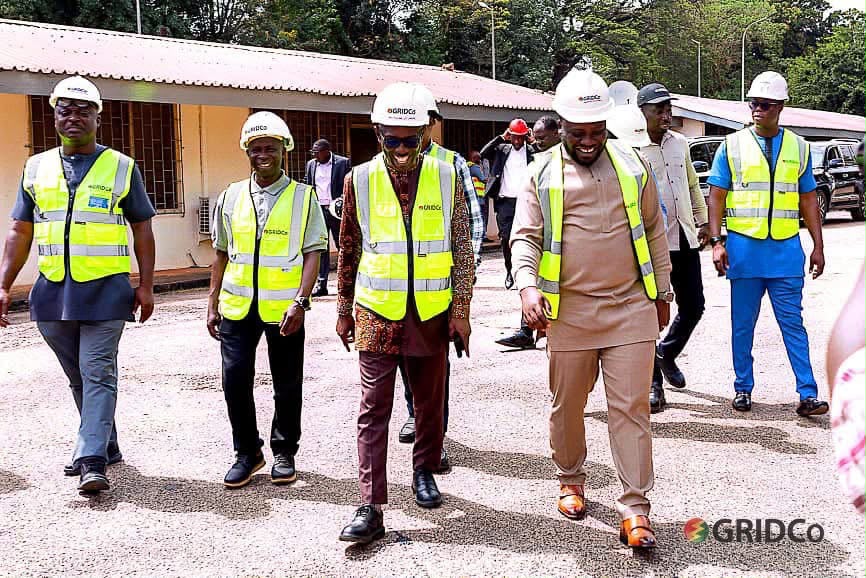
GRIDCo and ECG previously announced that the project had reached 70 per cent completion as of October 29, with the remaining work requiring conductor stringing along the transmission route.
The companies scheduled temporary interruptions between October 30 and November 29, excluding weekends, to allow engineers to undertake the work safely.
The latest engagement with the Regional Minister therefore provides an opportunity to explain why those interruptions are necessary and demonstrate the infrastructure being developed to improve the network.
The distinction is important for consumers. Although the planned outages are temporary construction-related interruptions, residents and businesses are also concerned about the broader reliability of electricity supply in the region.
For businesses dependent on uninterrupted power, including manufacturers, cold-storage operators, workshops and commercial facilities, the long-term value of the upgrade will be measured by fewer disruptions and a more stable electricity supply.
Additional Capacity For A Growing Region
Beyond the transmission line upgrade, GRIDCo is undertaking interventions intended to increase the amount of electricity that can be transmitted to ECG’s distribution network.
One of the measures is the installation of a fifth feeder to supplement the four existing feeders supplying ECG. The additional feeder is expected to provide approximately 80 megawatts of capacity by December, supporting electricity demand in the Ashanti Region and northern Ghana.
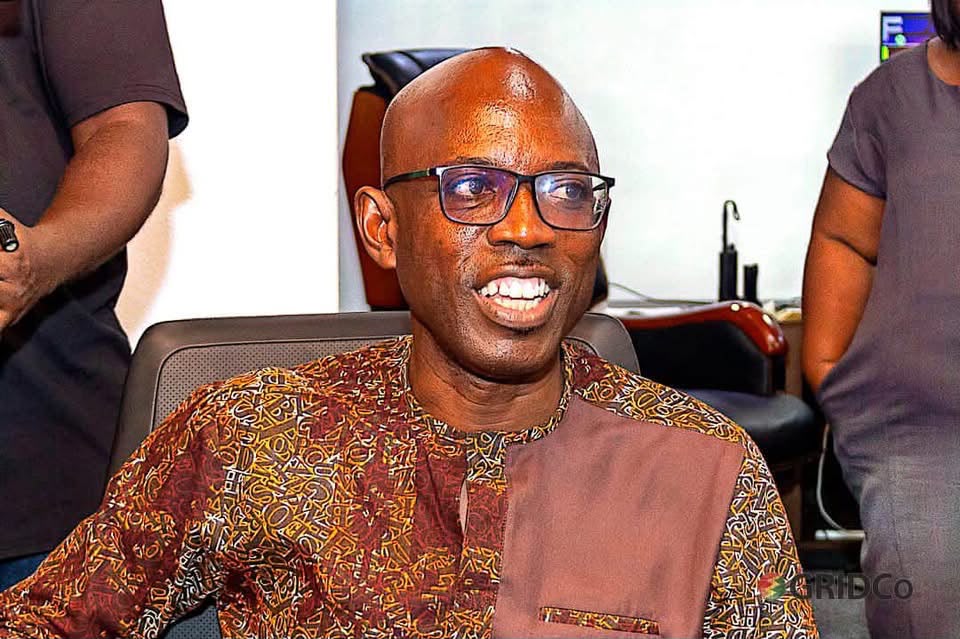
GRIDCo has also been upgrading transformer capacity at key substations. These interventions are intended to improve the network’s ability to receive and distribute electricity as residential and industrial demand increases.
The scale of the proposed improvements reflects the importance of transmission infrastructure in determining whether available generation can reach consumers.
Adding generation capacity alone does not guarantee reliable electricity supply. Transmission constraints, insufficient transformer capacity and limitations in distribution infrastructure can prevent electricity from being delivered where it is needed.
The company’s interventions therefore address a critical part of the electricity value chain between power generation and final distribution.
During the earlier briefing, Ing. Otchere emphasised the urgency of completing the priority projects.
“What we want to say is that all the projects are important, but these ones are critical. We cannot wait to complete them.”
He added that GRIDCo had prioritised the works to ensure they were completed by December.
The commitment places pressure on the company to deliver the projects within the stated timeframe, particularly given the public inconvenience associated with the construction programme.
Transmission And Distribution Must Work Together
The participation of ECG officials in the engagement is significant because improving electricity supply in Kumasi requires coordination between transmission and distribution infrastructure.
GRIDCo is responsible for transmitting bulk electricity through the high-voltage network, while ECG distributes power to households, businesses and other end users.
Even where transmission capacity improves, weaknesses in distribution feeders and associated equipment can continue to affect consumers.
ECG has therefore been undertaking complementary distribution upgrades across the region, including work on high-demand corridors.
The combined interventions are intended to strengthen the network from the transmission level through to the distribution system.
This coordination will be essential to ensuring that the additional capacity created by GRIDCo’s projects produces tangible improvements at the consumer level.
It also means that the completion of the transmission line cannot be treated as the sole measure of success.
The performance of substations, feeders and distribution lines will influence the quality and consistency of electricity delivered to communities.
Public Confidence Depends On Delivery
The visit to the Kumasi Substation and Anwomaso Bulk Supply Point offered the Regional Minister and media representatives a closer look at the infrastructure works.
It also provided an opportunity for GRIDCo to explain the technical interventions being undertaken to strengthen power transmission and reduce the impact of the construction programme.
For the Regional Minister, the engagement comes at a time when electricity reliability remains a major concern for households and businesses across the region.
However, public confidence will depend less on briefings and site visits than on whether consumers experience a sustained improvement after the projects are completed.
GRIDCo and ECG must also maintain clear communication with affected communities throughout the remaining construction period.
Timely information on scheduled interruptions, affected locations and expected restoration times will help households and businesses prepare and reduce uncertainty.
The end-of-November deadline for the transmission line upgrade and the December target for complementary interventions provide important milestones against which progress can be assessed.
The Real Measure Is Reliable Supply
The Ashanti Region’s electricity challenges cannot be resolved by transmission expansion alone. The long-term performance of the network will depend on adequate generation, reliable transmission assets, sufficient transformer capacity and effective distribution infrastructure.
GRIDCo’s current investments are intended to address some of the constraints affecting electricity delivery to Greater Kumasi.
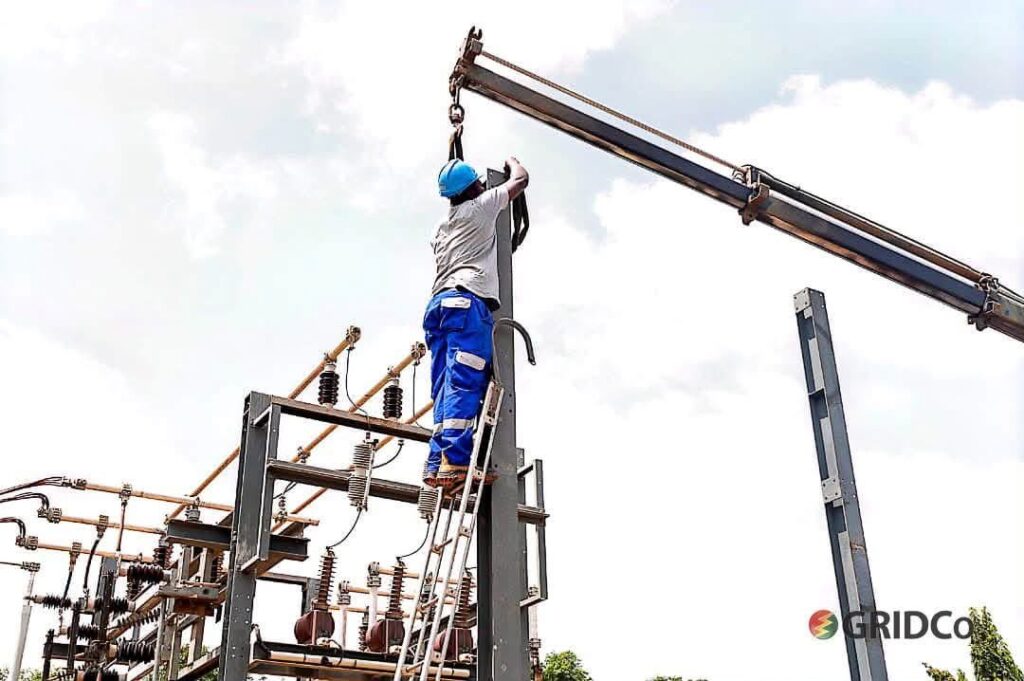
Increasing the transmission line’s capacity and adding another feeder could provide greater flexibility to manage demand and strengthen the network.
But the ultimate test will be whether these improvements reduce recurring interruptions and provide the reliability required by households, commercial operators and industries.
For consumers who have endured disruptions during the construction period, the expectation is straightforward: temporary inconvenience must result in a measurable improvement in electricity supply.
The latest engagement demonstrates GRIDCo’s effort to explain its interventions and maintain stakeholder confidence.
The more important task now is to complete the works safely, meet the stated deadlines and demonstrate that the upgraded infrastructure can deliver the reliability the region needs.
READ ALSO: US Midterm Early Voting Surpasses 54 Million As Election Nears