The European Union has signalled a possible fresh start in its membership negotiations with Serbia, saying a government formed by the student-led opposition movement could help revive the country’s path towards accession if it commits to strengthening democratic institutions and fundamental rights.
EU Enlargement Commissioner, Marta Kos stated that Serbia had an opportunity to reset its relationship with the bloc following the emergence of the student-led movement as a potential political force. “Now Serbia has the chance for a fresh start,” Kos told European lawmakers while presenting the European Commission’s annual enlargement report.
“The new Serbian government has an opportunity to turn the page, strengthen democratic institutions and fundamental rights and take the necessary steps to advance on Serbia’s accession path.”
Marta Kos
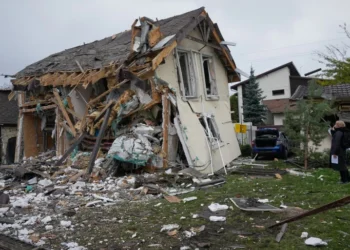
Last week, Aleksandar Vučić conceded defeat to Serbia’s student-led Student List after an election. The Student List’s victory follows nearly two years of youth-led protests triggered by the 2024 collapse of a railway station canopy in Novi Sad, which killed 16 people.
The demonstrations initially demanded accountability for the tragedy but subsequently developed into a broader political movement challenging alleged corruption and the capture of democratic institutions.
In its electoral programme presented in September, the Student List identified the fight against corruption and organised crime as key priorities. The movement also pledged to improve living standards, increase employment opportunities, strengthen education, protect media freedom and safeguard the independence of Serbia’s institutions.
Its electoral success marks a significant development for a movement that emerged from public protests and transformed demands for accountability into a nationwide political campaign.
The prospect of a new government has raised the possibility of renewed momentum in Serbia’s EU membership bid, although progress would depend on its willingness to implement the reforms required by the bloc.
Serbia is among the Western Balkan countries seeking EU membership, but its accession process remains subject to political and institutional conditions. Despite the Commission’s renewed opening, membership is not expected to be immediate and could still be years away.
Montenegro Advances Towards EU Membership
The Commission’s report also cited progress by other candidate countries, identifying Montenegro as the country closest to completing the accession process.
According to the report, Montenegro could conclude its accession negotiations by the end of 2026, potentially paving the way for it to become the European Union’s 28th member in 2028.
The Commission said an accession treaty could be signed as early as June 2027 if the country maintains progress towards meeting the requirements for membership. The Commission said in its annual enlargement policy report, “For the first time since 2011, when the EU closed accession negotiations with Croatia, the EU is in a position to soon close accession negotiations with another candidate country, Montenegro.”
It described Montenegro’s progress as evidence of sustained efforts to advance its European integration and implement the necessary reforms. “This is testament to Montenegro’s sustained efforts to advance on the European path and implement the reforms needed to turn EU membership into reality,” the report stated.
The Commission added that it considered the conclusion of accession negotiations by the end of 2026 a realistic possibility.
If negotiations are completed and an accession treaty is signed in 2027, Montenegro could join the bloc as early as 2028. However, the treaty would still require ratification by all 27 existing EU member states before membership could take effect.
Albania, Moldova, Ukraine Face Different Timelines
The enlargement report also identified Albania and Moldova as countries that could potentially join the European Union in 2029, reflecting the Commission’s assessment of their progress towards membership.
Their accession prospects, like those of other candidate countries, remain dependent on completing negotiations and meeting the bloc’s political, legal and economic requirements.
Ukraine, meanwhile, is unlikely to fulfil the conditions for membership before the end of the decade.
The differing timelines show the uneven pace of EU enlargement, with countries advancing through the process according to their progress on reforms and the requirements for accession.
The latest report places renewed attention on the Western Balkans and other candidate countries as the EU considers its future membership. While Montenegro appears closest to completing negotiations, the Commission’s message to Serbia is that political change could create an opportunity to revive its accession process.
For Serbia, however, the prospect of progress will depend on whether a new government demonstrates the political commitment needed to strengthen democratic institutions, protect fundamental rights and implement the reforms required for EU membership.