Ghana’s Ministry of Energy and Green Transition is pursuing measures to reduce the cost of electricity generation, with plans to renegotiate existing Power Purchase Agreements (PPAs) and ensure that additional electricity is procured at the least possible cost.
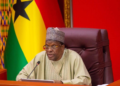
The measures, disclosed by Deputy Minister for Energy and Green Transition Richard Gyan-Mensah in Parliament, point to a growing policy emphasis on managing the cost of power supply as government seeks to keep electricity affordable without undermining the financial sustainability of the sector.
Gyan-Mensah, who is also the Member of Parliament for Gomoa West, was responding to questions on measures being considered to address electricity tariff adjustments.
He explained that the Ministry was working to lower generation tariffs through changes to procurement decisions and negotiations with existing power producers.
The announcement is significant because the cost of generating electricity is one of the major pressures within Ghana’s power sector.
The price at which electricity is purchased from generators, the cost of fuel used by thermal plants and the country’s generation mix all influence the financial requirements that eventually feed into electricity tariffs.
However, the Deputy Minister’s statement does not indicate that the proposed PPA renegotiations have been concluded or that specific savings have already been secured.
The impact on consumers will depend on the agreements reached and how any reductions are reflected in the sector’s cost structure.
Government Looks Beyond Tariff Adjustments
Gyan-Mensah’s remarks introduce an important distinction in the debate over electricity affordability: reducing the cost of supplying power is different from simply changing the price consumers pay.
Quarterly tariff adjustments are determined through the Public Utilities Regulatory Commission’s (PURC) regulatory framework, which considers movements in key economic and operational variables.
The Deputy Minister identified four factors influencing these adjustments: the exchange rate, inflation, the Weighted Average Cost of Gas (WACOG) and the hydro-thermal generation mix.
These variables matter because Ghana’s electricity supply depends significantly on thermal generation, which requires fuel, including natural gas.
Where gas costs rise, or the cedi weakens against the dollar, the cost of generating and purchasing electricity can increase.
Inflation also affects the operating expenses of utility providers, while the proportion of electricity generated from hydro and thermal sources influences the overall cost of the supply mix.
The PURC’s quarterly review mechanism is designed to account for these movements rather than allow changes in operating costs to accumulate without adjustment.
In its 2025 third-quarter tariff review decision, the Commission explained:
“These adjustments are undertaken on a quarterly basis to maintain the real value of the tariffs and to keep the utility service providers financially viable to enable them deliver on their services to consumers.”
This regulatory objective highlights the tension facing policymakers. Keeping tariffs affordable is important for households and businesses, but electricity providers must also generate sufficient revenue to meet their operating obligations and maintain reliable services.
PPA Renegotiations Could Address Generation Costs
The Ministry’s intention to renegotiate existing PPAs is particularly important because power purchase agreements determine the commercial terms under which electricity is bought from independent power producers.
Depending on their terms, these agreements can include charges and payment obligations that affect the cost of electricity supplied to the national grid.
Renegotiating existing contracts could create opportunities to reduce generation tariffs and improve the financial terms under which power is procured.
However, the outcome will depend on the specific agreements, the willingness of counterparties and the commercial conditions governing each contract.
The challenge is to secure lower costs without creating uncertainty for investors or undermining the contractual arrangements needed to maintain electricity supply.
Ghana has previously faced difficulties associated with the financial obligations arising from its power generation contracts.
These include the costs of maintaining generation capacity and meeting payments to power producers, even when electricity demand or dispatch levels do not fully utilise available capacity.
For that reason, any renegotiation must be assessed against the actual financial savings it delivers and its implications for the reliability of supply.
The Ministry’s second measure, ensuring that additional electricity is procured at the least cost, also points to the importance of procurement decisions.
Where new power is required, the price and commercial conditions attached to the supply will influence the overall cost borne by the electricity sector.
Procuring additional electricity at a competitive rate could help prevent unnecessary increases in generation expenditure.
But least-cost procurement must also consider reliability, availability and the ability of suppliers to meet Ghana’s electricity requirements. The cheapest offer may not necessarily provide the best overall value if it cannot deliver dependable power when required.
The Generation Mix Remains A Key Pressure
The Deputy Minister’s reference to the hydro-thermal generation mix is also relevant to Ghana’s electricity cost challenge.
Hydropower and thermal generation have different cost structures. Hydropower does not require the same fuel purchases as thermal plants, while thermal generation depends on the availability and cost of natural gas or other fuels.

Consequently, changes in the proportion of electricity generated from these sources can affect the cost of power supply.
The PURC’s 2025 third-quarter review, for instance, used a projected generation mix of 28.80 per cent hydro and 71.20 per cent thermal. The Commission also applied a Weighted Average Cost of Gas of US$7.7134 per million British thermal units.
These figures illustrate the extent to which thermal generation and fuel costs can influence tariff calculations, although they relate to that particular review period and should not be treated as current 2026 parameters.
The International Monetary Fund has also identified Ghana’s exposure to fuel costs, exchange-rate movements and the generation mix as important factors in the electricity tariff framework. Its 2026 assessment noted that changes in these indicators contributed to quarterly tariff movements during the year.
This reinforces the importance of addressing generation costs as part of a wider effort to improve the financial position of the power sector.
Lifeline Tariff Protects Vulnerable Consumers
Gyan-Mensah also addressed the Lifeline Tariff, explaining that it was designed to support poor and low-income electricity consumers.
The arrangement forms part of the broader effort to protect households that are particularly vulnerable to the cost of electricity.
For these consumers, even relatively modest changes in monthly bills can place pressure on household budgets. The lifeline arrangement therefore provides a targeted mechanism within the electricity tariff structure.
However, protecting low-income consumers must be balanced with the financial requirements of the electricity sector. If the cost of providing electricity is not adequately recovered, the resulting financial pressures can affect utility operations, investment and the reliability of supply.
The Deputy Minister assured Parliament that the Ministry would continue working with PURC to ensure electricity remains affordable, particularly for vulnerable consumers, while maintaining the sustainability of the power sector.
Affordability Will Depend On Measurable Savings
The government’s proposed measures address an important part of Ghana’s electricity affordability challenge, but their effectiveness will depend on implementation.
Renegotiating PPAs may create opportunities to reduce generation tariffs, while least-cost procurement could help prevent new supply arrangements from increasing the cost burden.
Yet consumers will ultimately need to see whether these interventions produce measurable reductions in the cost of supplying electricity and whether those savings are reflected in future tariff decisions.

The Ministry will also need to demonstrate how the proposed negotiations will affect existing contractual obligations and what financial benefits are expected from the revised arrangements.
Working with PURC will be equally important because tariff decisions must account for both consumer affordability and the financial viability of electricity providers.
Ghana’s electricity challenge is therefore not simply about preventing tariff increases. It is about reducing the underlying cost of power generation while maintaining the investment and operational capacity required to deliver reliable electricity.
The Ministry’s announcement signals an intention to tackle that challenge through procurement and contractual reforms. Whether the measures translate into lasting relief for households and businesses will depend on the savings government can secure and the extent to which those savings reach consumers.
READ ALSO: Lapaz Faces New Trading Restrictions as AMA Clears Roads