
Finance Minister Dr Cassiel Ato Forson has announced plans to establish pharmaceutical and biomanufacturing hubs in Ghana’s Eastern and Central Regions, as part of a US$1 billion investment to strengthen domestic medicine production and reduce the country’s dependence on imports
Presenting the 2027 Budget Statement to Parliament, Dr Forson disclosed that the initiative would support local manufacturers, create skilled industrial jobs and conserve foreign exchange. The government also intends to amend public procurement laws to prioritise medicines manufactured in Ghana, provided they are available in sufficient quantities and meet approved quality standards.
“We will invest US$1 billion to strengthen medicine security, create skilled industrial jobs, conserve foreign exchange and build a pharmaceutical export platform for West Africa.”
Minister for Finance, Dr. Cassiel Ato Forson,
Dr Forson outlined the initiative under Pillar Seven of the 2027 Budget, drawing attention to Ghana’s dependence on imported medicines.

He told Parliament that the country currently imports between 70 and 75 per cent of its medicine requirements, spending approximately US$500 million annually.
Government Targets Pharmaceutical Self-Sufficiency
The proposed investment, he explained, would strengthen the country’s capacity to manufacture essential medicines locally while positioning Ghana as a pharmaceutical production and export centre for the West African market.
The government plans to establish pharmaceutical and biomanufacturing hubs in the Eastern and Central Regions. Qualified Ghanaian and international manufacturers will be engaged through transparent lease and operating agreements to participate in the facilities.
In 2027, a state-owned special purpose vehicle will begin construction of the pharmaceutical and biomanufacturing hubs.
Public Procurement to Prioritise Ghanaian Medicines
A central component of the policy will be a proposed amendment to public procurement laws to ensure that government spending supports medicines produced locally.
Dr Forson told Parliament that public funds allocated to medicines would be used to purchase Ghanaian-made products wherever they were available in sufficient quantities and satisfied approved quality standards.
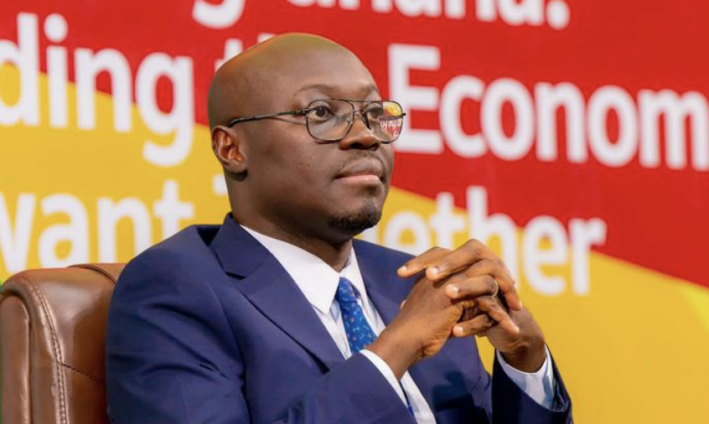
“Ghana will go further by making Ghanaian-produced medicines the default choice for every cedi of public money spent on medicines,”
Minister for Finance, Dr. Cassiel Ato Forson,
He referenced procurement policies in India, Ethiopia, Nigeria and Tanzania as examples of countries using government purchasing power to support domestic pharmaceutical industries.
India requires government procuring entities to give purchasing preference to locally manufactured medicines that meet minimum local content thresholds. Ethiopia has offered domestic manufacturers preferential access to state supply contracts and set a target to triple their share of public medicine procurement.
Nigeria has directed ministries, departments and agencies to favour locally manufactured goods, while Tanzania has introduced a price preference for local manufacturers in national medicine tenders.
Dr Forson indicated that Ghana’s approach would similarly use public procurement to promote local businesses, increase demand for Ghanaian products and strengthen export opportunities.
Quality Standards to Govern Local Preference
The finance minister stressed that prioritising locally manufactured medicines would not mean compromising quality, delivery timelines or value for money.
He maintained that every supplier would be required to obtain registration from the Food and Drugs Authority and comply with Good Manufacturing Practice standards before benefiting from the policy.
“Local preference will never be an excuse for poor quality, late delivery or poor value,”
Minister for Finance, Dr. Cassiel Ato Forson,
The government will also support pharmaceutical manufacturers to attain World Health Organization prequalification, a step intended to enable Ghanaian medicines to compete in markets across the region.
Safeguards will remain central to implementation. The proposed arrangements will therefore combine preference for domestic products with regulatory and manufacturing requirements.
Government Sets 2030 Medicine Production Target
Dr Forson further outlined the government’s long-term ambition for the pharmaceutical sector, indicating that Ghana aims to manufacture between 60 and 80 per cent of its essential medical needs locally by 2030.
The target forms part of the broader strategy to reduce reliance on imported medicines, retain more foreign exchange within the economy and develop domestic industrial capacity.

The government also projects that the pharmaceutical and biomanufacturing initiative will generate approximately 20,000 direct and indirect jobs.
The projected employment gains are expected to arise from the development of the hubs and expanded pharmaceutical manufacturing activity. The minister presented the investment as both a medicine security intervention and an industrial development strategy.
The proposed hubs, procurement reforms and support for international prequalification are expected to work together to expand local production and create opportunities for Ghanaian manufacturers to serve markets beyond the country.
Dr Forson concluded his presentation on the pharmaceutical initiative before moving to Pillar Eight of the 2027 Budget Statement, leaving the proposed investment, procurement changes and production targets as key components of the government’s plans for the sector.
READ MORE: Dr Bannor Raises Alarm Over Tema Port Security Failures