Ghana’s long-anticipated Women’s Development Bank is moving closer to reality after Finance Minister Dr Cassiel Ato Forson confirmed that the institution has been fully capitalised and is expected to commence operations in early 2027.
The announcement marks a major development in the government’s efforts to expand access to affordable financing for women entrepreneurs, particularly those operating small and medium-sized businesses that often struggle to secure funding from traditional financial institutions.
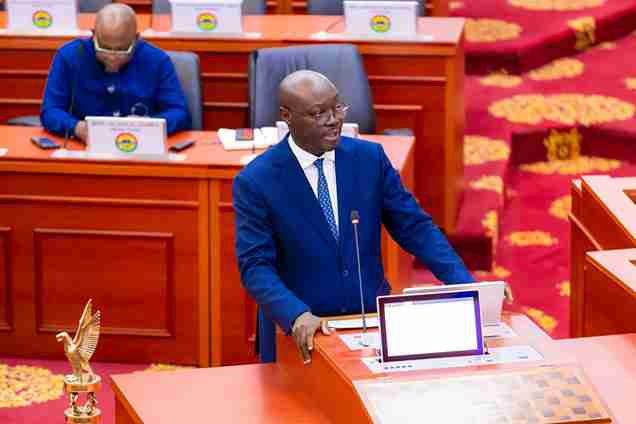
Presenting the 2027 Budget Statement and Economic Policy, dubbed The New Economy, to Parliament on Thursday, November 12, 2026, Dr Ato Forson disclosed that the government had successfully secured the capital required to establish the bank.
“I am happy to report that we have successfully capitalised the Women’s Development Bank, and the bank will be operational beginning early next year.”
Dr Ato Forson
The confirmation brings renewed attention to one of the government’s major financial inclusion initiatives, with thousands of women-owned businesses expected to benefit from improved access to credit once the institution becomes operational.
GH¢400 Million Injection Powers Women’s Bank
The government’s commitment to the establishment of the Women’s Development Bank became more evident in June 2026 when Dr Ato Forson revealed that GH¢400 million had been deposited into an escrow account with the Bank of Ghana as the institution’s initial capitalisation fund.
The amount was intended to support the bank’s establishment and facilitate the regulatory assessment and licensing processes required before it could begin operations.
The latest announcement suggests that the government has now completed the capitalisation phase, removing a major financial hurdle that could have delayed the institution’s launch.
The development is particularly significant given the financing challenges confronting many women entrepreneurs in Ghana.
Women-owned businesses frequently encounter difficulties accessing affordable loans due to collateral requirements, high borrowing costs and limited financing options. These challenges have restricted the ability of many enterprises to expand operations, acquire equipment, employ more workers and compete effectively.
The proposed bank is expected to address some of these barriers by providing a dedicated financing platform that recognises the unique funding needs of women-led businesses.
Banking Licence Application Awaits Regulatory Consideration
Beyond securing the required capital, the establishment of the Women’s Development Bank has also advanced through the institutional and regulatory processes.
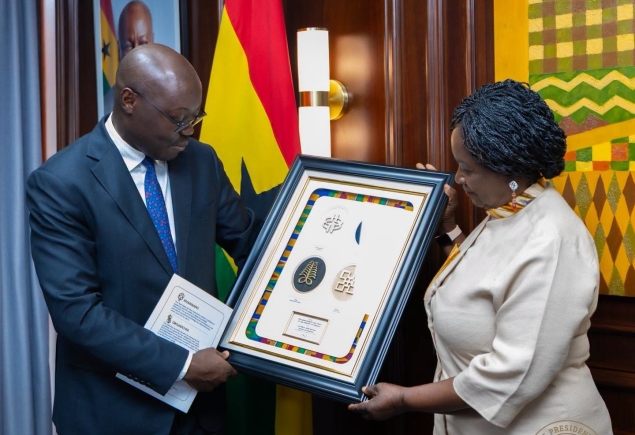
Vice President Prof. Naana Jane Opoku-Agyemang recently announced that the Women’s Development Bank Committee had completed its work and submitted a banking licence application to the Bank of Ghana for consideration.
The application represents another important step towards bringing the institution into Ghana’s financial services industry.
However, the commencement of operations will depend on the necessary regulatory approvals and licensing requirements being satisfied.
The Bank of Ghana’s assessment will therefore remain critical to determining the final preparations before the institution can open its doors to customers.
Women Entrepreneurs Anticipate Financing Breakthrough
The planned launch in early 2027 is expected to attract considerable interest from women entrepreneurs seeking alternative sources of financing to grow their businesses.
Small businesses, particularly those in agriculture, manufacturing, trading, services and other productive sectors, could benefit from a dedicated financial institution designed to improve women’s participation in economic activity.
Beyond providing loans, the bank could also play an important role in strengthening business development, supporting enterprise expansion and improving women’s access to formal financial services.
Its eventual impact, however, will depend on the affordability of its lending products, accessibility of its services and ability to reach women entrepreneurs across the country.
With GH¢400 million committed as initial capital and the licensing application before the central bank, the government appears to have moved the project significantly closer to implementation.
READ ALSO: Ato Forson Declares No New Taxes in 2027