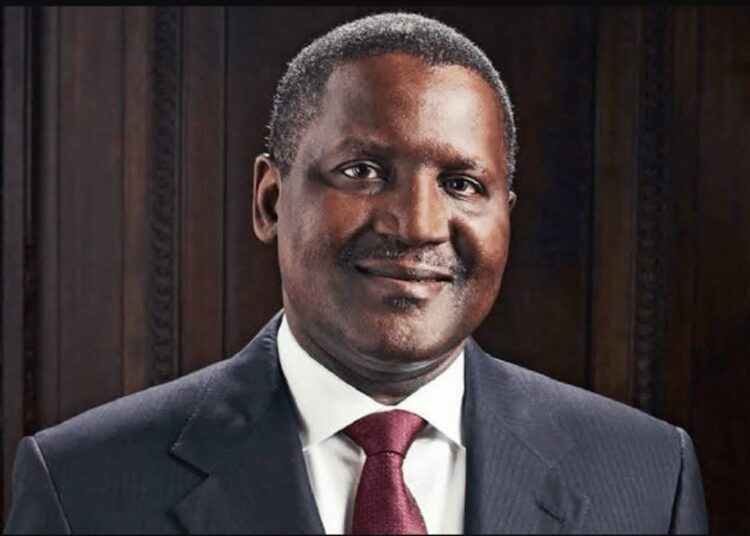
Ghana’s ambition to transform its cocoa industry is entering a potentially significant phase, with Nigerian industrialist Aliko Dangote in discussions with the government over a proposed arrangement involving 500,000 metric tonnes of cocoa for local processing.
The proposal could strengthen Ghana’s efforts to retain more economic value from its agricultural commodities, create opportunities for industrial investment and reduce dependence on raw cocoa exports.
However, negotiations remain ongoing, with the government yet to finalise the terms or sign a contract.
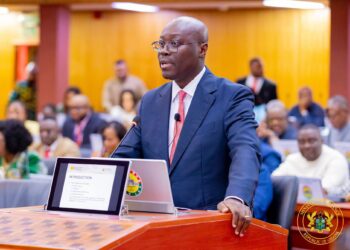
Finance Minister Dr Cassiel Ato Forson disclosed the discussions after presenting the 2027 Budget to Parliament, describing Dangote’s interest as an opportunity to establish Ghana as a processing hub.
“Dangote has reached out to use Ghana as a hub to process cocoa locally.”
Minister for Finance, Dr. Cassiel Ato Forson
The minister said the businessman had approached both him and President John Dramani Mahama, expressing readiness to pursue the proposed arrangement.
He added that representatives of the investor were interested in formalising an agreement, although the commercial conditions were still being examined.
The proposed volume places the negotiations among the significant prospective developments in Ghana’s cocoa value-addition strategy.
Yet the investment’s actual contribution will depend on the processing capacity, sourcing arrangements, financial commitments and production timelines eventually agreed by the parties.
Local Processing Targets Drive Negotiations
The discussions come as Ghana pursues an ambitious transition from exporting predominantly raw cocoa beans towards producing more processed cocoa products domestically.
Under the government’s policy direction outlined in the 2027 Budget, the country aims to process at least 50 per cent of its cocoa locally by 2028 and achieve 100 per cent domestic processing by 2030.
The proposed targets are expected to be supported by a legislative instrument under the new Ghana Cocoa Board Act, which will establish the framework and timetable for increasing domestic processing.
Dr. Forson has emphasised that the policy is not intended to prevent international companies from purchasing Ghanaian cocoa, but rather to encourage them to undertake processing activities within the country.
“We are not saying don’t come and buy our cocoa beans. But if you are a company out there, come and buy our cocoa beans, but add value here in Ghana.”
Minister for Finance, Dr. Cassiel Ato Forson
The approach reflects the government’s broader industrialisation objective of retaining a greater share of the economic benefits generated by agricultural production.
According to the 2027 Budget figures reported alongside the proposal, Ghana recorded cocoa production of 771,000 metric tonnes for the 2025/26 season as of August 2026, while cumulative purchases stood at 690,000 tonnes.
Against that production backdrop, a proposed processing arrangement involving 500,000 tonnes would represent a substantial commitment if the volume is intended for annual processing.
However, the government has not clarified whether the proposed quantity represents an annual supply requirement, a one time arrangement or a longer-term commercial commitment.
That distinction will be important in determining how the proposal fits within Ghana’s processing targets and the availability of cocoa for other domestic processors.
Investment Must Deliver Industrial Capacity
Beyond the proposed volume, the negotiations raise questions about the infrastructure and investment required to establish a commercially sustainable cocoa-processing operation.
Processing raw beans into cocoa liquor, butter, cake and powder requires specialised equipment, dependable energy supply, skilled workers and efficient logistics.
Further manufacturing into chocolate, cosmetics and other cocoa-based products could extend the economic benefits into packaging, distribution, marketing and related industrial activities.
Dr. Forson said his experience during the World Bank and International Monetary Fund annual meetings in Bangkok reinforced the opportunities available to Ghana through cocoa value addition.
He argued that the country could capture more economic benefits by expanding its processing capabilities rather than relying primarily on the export of unprocessed beans.
The proposed arrangement could support that transition if it includes substantial investment in domestic facilities and establishes a reliable commercial operation.
Nevertheless, the absence of confirmed details about the proposed plant, investment cost, construction schedule and employment commitments means the scale of those benefits remains uncertain.
Dangote’s wider industrial interests provide context for the negotiations. His business group has invested in agricultural production and processing, including rice and sugar in Nigeria, while pursuing fertiliser manufacturing investments in Ethiopia.
Those activities demonstrate an established interest in agricultural value chains, but the commercial structure of the Ghana cocoa proposal will ultimately determine its contribution to the country’s industrial development.
Farmers and Businesses Must Benefit
The government’s processing ambition also carries implications for cocoa farmers, local manufacturers and businesses operating across the agricultural supply chain.
Greater domestic processing demand could strengthen the market for Ghanaian cocoa and support additional commercial activity.
However, the benefits for producers will depend on the terms under which processors obtain their beans, the pricing arrangements and whether increased industrial demand translates into more predictable returns for farmers.
The proposed agreement must therefore be assessed beyond its headline volume.
A commercially successful processing operation should create opportunities for Ghanaian suppliers, transport operators, packaging businesses and other enterprises supporting the cocoa industry.
The negotiations also intersect with Ghana’s wider agricultural import challenge.
Dr. Forson said the country spends approximately US$3.5 billion annually on imported food products, including palm oil, sugar, rice and poultry.
He argued that modernising agriculture and expanding domestic production could help reduce that dependence while strengthening local industries,“All We Need To Do Is Modernise Agriculture.”
The cocoa proposal represents one potential component of that broader strategy, although processing investment alone cannot address the production, financing and infrastructure constraints affecting other agricultural commodities.
Ghana will need coordinated investment in agricultural productivity, industrial facilities and domestic supply chains to achieve its wider economic objectives.
The immediate priority, however, remains concluding negotiations that establish clear commercial obligations and measurable domestic benefits.
The 500,000-tonne proposal could accelerate Ghana’s cocoa-processing ambitions, but its significance will depend on the agreement’s final terms, the depth of local manufacturing and the opportunities created for farmers and Ghanaian businesses.
Until those details are established, the proposal remains a substantial investment prospect rather than a confirmed industrial commitment.
READ ALSO:Minority Leader Questions 6pm Timing For 2027 Budget Presentation