


Ghana’s plan to process more of its mineral resources locally is intended to move the country beyond raw exports and capture a greater share of the value created by the global energy transition.
But a new warning from the International Energy Agency (IEA) suggests that building domestic processing capacity will not, on its own, protect the country from vulnerabilities in the global minerals market.
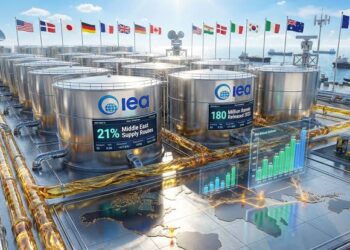
In its World Energy Outlook 2026, the IEA identifies a high concentration of refining capacity as a growing energy-security concern.
China is the dominant refiner for 19 out of 20 energy-related strategic minerals, while more than half of those minerals are subject to export controls.
The finding matters for Ghana as it prepares to invest US$1.5 billion in an industrial minerals programme covering manganese, bauxite, lithium and gold.
The country’s ambition is to increase local refining and processing, but the success of that strategy will depend partly on access to technology, equipment, specialist inputs and markets that remain concentrated outside its borders.
IEA Executive Director Fatih Birol cautioned against replacing one form of energy dependence with another.
“In pursuit of greater energy security, countries must take care not to replace one dependency with another,”.
For Ghana, the warning raises a strategic question: can the country develop a stronger domestic minerals industry without becoming more exposed to the external supply chains that control the technology and industrial capabilities required to process those resources?
Processing Locally Is Only The First Step
The Government’s 2027 Budget proposes a US$1.5 billion investment in critical-minerals value addition. It sets a target of processing at least 50% of Ghana’s manganese and bauxite locally by the end of 2028, with all manganese and bauxite to be processed domestically by the end of 2030.
The programme also envisages local lithium refining, with the ambition of moving progressively into battery-grade chemicals, components and cells. For bauxite, the stated direction includes alumina refining and aluminium smelting.
The Finance Minister’s explanation of the policy captures the economic problem the programme is intended to address: “The ore leaves our soil, while much of the refining, metallurgy, manufacturing, technology and skilled employment takes place elsewhere.”
The policy ambition is significant, but the distinction between processing minerals locally and controlling the wider value chain is important.
A refinery can operate in Ghana while depending on imported machinery, engineering expertise, chemical inputs, financing and foreign buyers. Local processing does not automatically translate into domestic control of the technology or the markets.
This is where the IEA’s finding becomes relevant. If refining and processing capabilities remain concentrated in a small number of countries, Ghana could increase its domestic output while remaining exposed to disruptions in the supply of equipment, technical services and intermediate products.
The challenge is not limited to China or to any single mineral. It concerns the structure of the global market and the ability of countries such as Ghana to secure reliable access to the industrial inputs needed to move further downstream.
The Value Addition Debate Must Look Beyond Targets
Vaultz has previously examined the Government’s US$1.5 billion critical-minerals programme and the proposed shift away from raw mineral exports. That coverage outlined the policy’s targets and investment commitments.
The next question is whether the programme can build capabilities that remain in Ghana beyond the construction of processing facilities.

That requires attention to local engineering and technical skills, research and development, industrial suppliers, technology partnerships and the ability of Ghanaian businesses to participate in the processing chain.
Without these capabilities, the country risks establishing facilities that add some value locally but retain significant dependence on external expertise and inputs.
There are also commercial considerations. Domestic processing must be competitive enough to attract long-term investment and secure buyers.
Government targets and export restrictions cannot by themselves guarantee that refineries will operate profitably or that processed products will find reliable markets.
The Natural Resource Governance Institute’s 2025 analysis of lithium refining in Ghana illustrates the importance of this assessment. It warned that a domestic refinery could face limited access to feedstock and high costs compared with established global competitors, particularly in China.
Its modelling suggested that a refinery built under the conditions it examined could impose significant public-revenue costs.
That analysis focused on the economics of a proposed lithium refinery and should not be treated as a verdict on every part of the Government’s wider minerals programme.
However, it demonstrates why investment decisions need to be supported by realistic assessments of feedstock availability, operating costs, market demand and the public resources required.
Reliable Power And Diversified Partnerships Matter
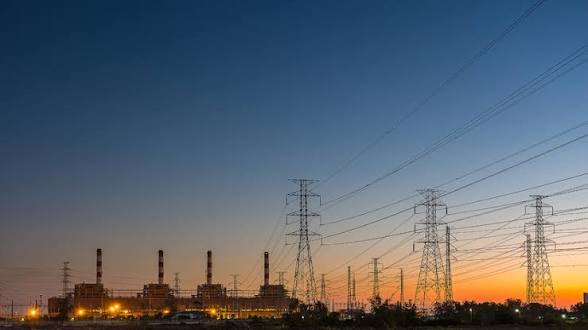
Mineral processing is also energy-intensive. Alumina refining, aluminium smelting and other industrial operations require dependable electricity, while interruptions or high power costs can undermine competitiveness.
Vaultz’s earlier report on the relationship between electricity supply and Ghana’s mineral-processing ambitions highlighted this constraint.
The Government has linked its minerals-processing plans to the proposed expansion of generation and transmission infrastructure. That connection is essential: a local-processing strategy cannot succeed if facilities are unable to secure reliable electricity at prices that allow them to compete internationally.
But power is only one part of the infrastructure requirement. Ghana will also need transport links, water management, industrial land, skilled labour and effective environmental oversight.
These requirements should be assessed together rather than treated as separate projects.
The IEA’s warning also strengthens the case for diversified international partnerships. Ghana can engage established refining and technology economies, including China, while avoiding excessive reliance on any single source for equipment, technical expertise, financing or markets.
Partnerships should therefore be evaluated not only by the capital they bring but also by the technology transferred, the skills developed locally, the opportunities created for Ghanaian suppliers and the resilience they add to the domestic industrial base.
Maxwell Yao Akpene Klu of the Minerals Commission previously described the country’s ambition as a move beyond extraction. “Our country is not just about extracting resources; we are committed to a paradigm shift in mining, one that moves beyond the dig-and-ship model for the creation of jobs and wealth locally,” he said during Ghana’s engagement at the Africa Down Under Summit in September 2026.
That ambition will require more than increasing the share of minerals processed within the country.
It will require Ghana to build the industrial knowledge, commercial relationships and infrastructure that allow local firms to participate in higher-value activities.
Industrial Independence Requires More Than Refining
The global energy transition is increasing the strategic importance of minerals, but it is also exposing the risks of concentrated supply chains.
Countries that depend on a narrow group of suppliers for processing and technology can face disruptions even when they possess the mineral resources themselves.
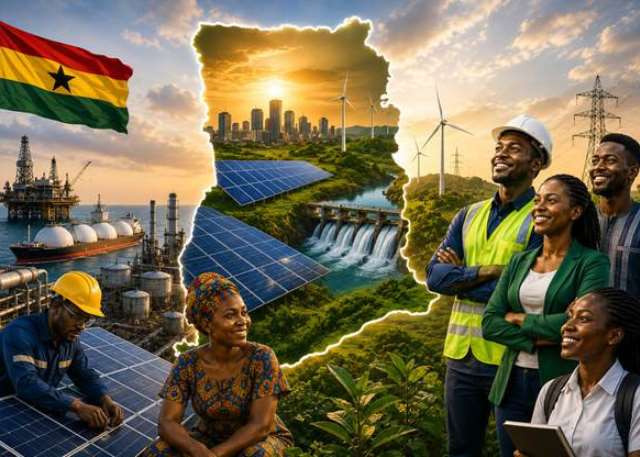
Ghana’s US$1.5 billion programme offers an opportunity to change its position in the global minerals economy.
Yet the real measure of success should not be the number of processing facilities announced or the volume of raw exports prohibited.
It should be the value retained domestically, the competitiveness of the resulting industries, the depth of technology transfer, the participation of Ghanaian enterprises and the ability to withstand external supply disruptions.
The IEA’s warning is therefore not an argument against local processing. It is a reminder that value addition must be accompanied by diversification and capability-building.
Ghana must avoid moving from dependence on exporting raw minerals to dependence on importing the machinery, expertise and industrial inputs required to process them.
If the country can build those capabilities alongside its refining ambitions, its mineral wealth could become a stronger foundation for industrial development rather than simply a different point of entry into the same externally controlled supply chain.
READ ALSO: MOGCSP Calls for Stronger Action Against Child Abuse