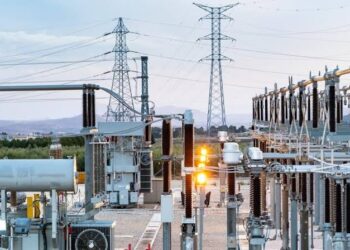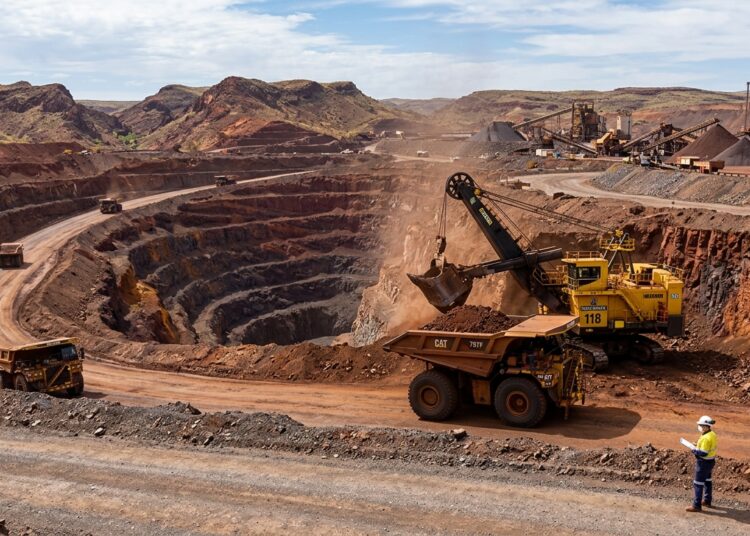
The Africa Centre for Energy Policy (ACEP) has cautioned that government’s ambitious target in the 2027 Budget Statement to locally process all of Ghana’s manganese ore will require roughly one gigawatt (1 GW) of continuous, uninterrupted electricity, raising sharp technical questions about grid readiness and project feasibility.
In its latest post-budget assessment, the energy and extractives policy think tank warned that while downstream value addition is an urgent national priority, several of the state’s mineral beneficiation timelines risk faltering without matching baseload power infrastructure.
“Not every processing target is realistic. Local gold refining is achievable. Processing all of Ghana’s manganese would need about 1 GW of continuous power. Ghana doesn’t yet have a single operating alumina refinery.”
Africa Centre for Energy Policy (ACEP)
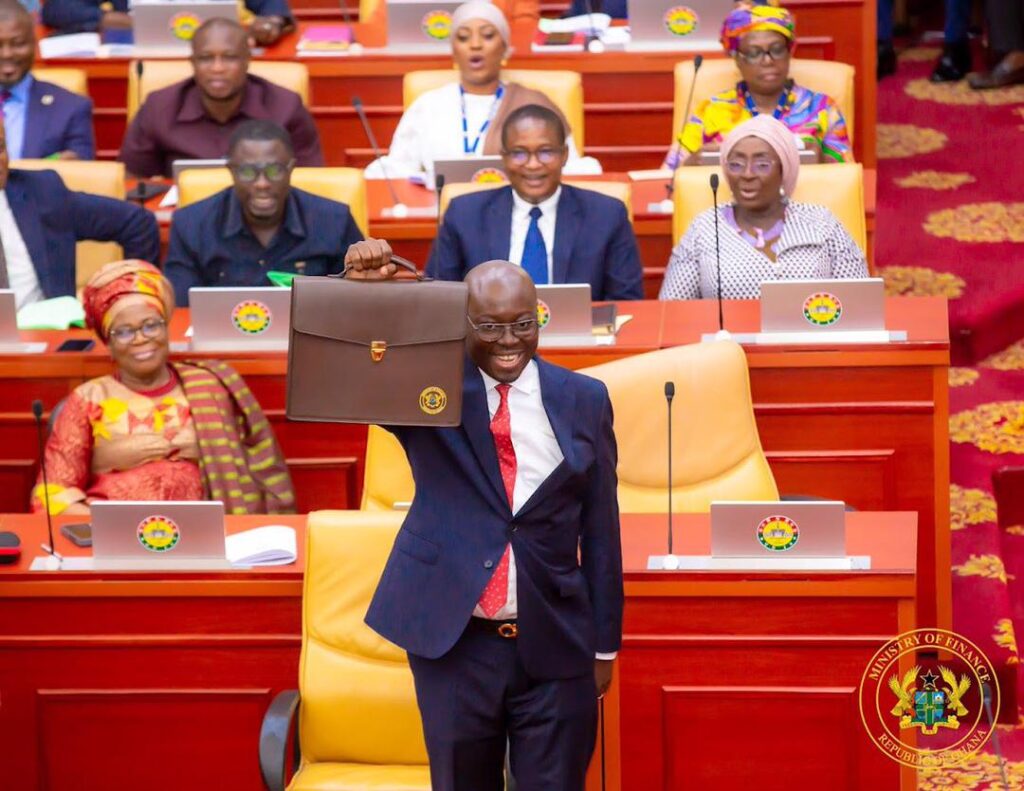
Under the US$1.5 billion critical minerals processing roadmap unveiled by Finance Minister Dr. Cassiel Ato Forson, Accra plans to refine at least 50 percent of domestic manganese and bauxite locally by the end of 2028 before imposing a complete ban on raw exports by 2030.
However, ACEP’s technical review stresses that converting raw manganese ore into ferromanganese or high-purity manganese sulphate is an extraordinarily energy-intensive metallurgical process that would absorb a massive share of Ghana’s current dependable generation capacity.
At the same time, the Centre exposed a glaring fiscal contradiction in the extractive sector: despite recording massive volumes of artisanal and small-scale gold exports, the public purse captures virtually zero direct tax or royalty revenue from the subsector.
Power Bottlenecks and Industrial Reality
Ghana’s push to halt raw mineral shipments stems from decades of exporting unprocessed ore only to import finished industrial products at steep foreign exchange costs.
Shifting up the value chain is designed to insulate the economy from global commodity price swings, stimulate domestic manufacturing, and retain high-paying metallurgical jobs within the Western Region industrial corridor.
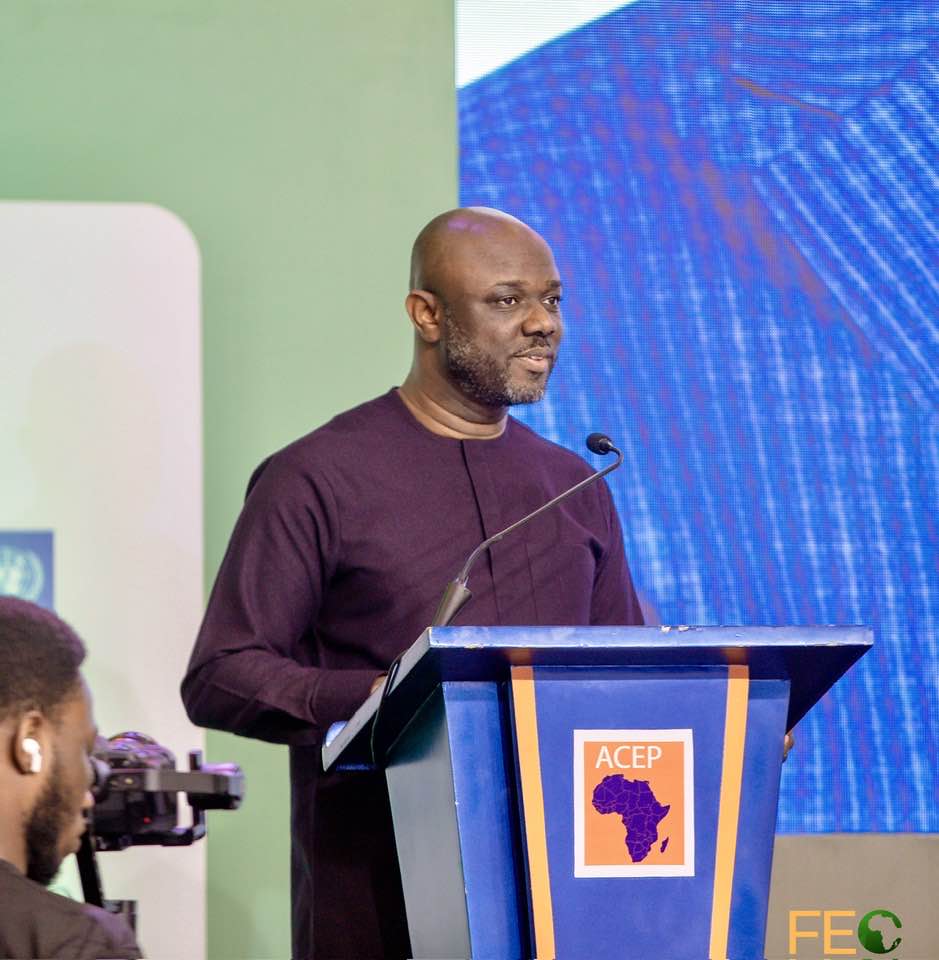
Yet ACEP’s analysis underscores that political timelines cannot override thermodynamic and engineering constraints.
While doré gold refining requires relatively modest energy inputs and straightforward chemical facilities making the 2027–2028 gold refining benchmarks attainable bulk industrial minerals present an entirely different scale of complexity.
Sustaining a 1 GW power load solely for manganese smelting demands dedicated, low-cost baseload electricity that neither the national grid nor existing thermal plants can guarantee without triggering severe tariff distortions or supply deficits.
The Small-Scale Gold Revenue Leakage
Beyond infrastructure hurdles, the think tank flagged an alarming fiscal blind spot in how the state governs artisanal and small-scale mining (ASM).
Even as the 2027 Budget projects a sharp surge in overall mineral royalties to finance capital expenditure, official fiscal tables reveal a complete disconnect between export volumes and state collections.

Specifically, the policy brief pointed out that “small-scale gold brings in almost nothing,” observing that despite 88 tonnes of small-scale gold exports valued at US$12 billion, the budget statement reports zero royalty or tax receipts from that windfall.
Closing this multi-billion-dollar leakage is essential if Ghana intends to self-finance its industrial transformation rather than accumulating fresh sovereign debt.
Capturing even a modest statutory royalty and corporate tax share from US$12 billion in bullion exports would generate substantial domestic capital to co-fund reliable energy generation and geological exploration.
Aligning Ambition with Bankable Execution
To prevent the US$1.5 billion mineral processing programme from becoming another underutilized state venture, industry analysts argue that policymakers must sequence energy generation ahead of export prohibitions.

Drawing lessons from regional peers such as Gabon where strict export bans have struggled against slow smelter construction ACEP urged authorities to prioritize commercial appraisals and private-sector co-investment over rigid statutory deadlines.
For Ghana’s extractive transformation to succeed, dedicated power procurement agreements, transparent fiscal accounting in the small-scale gold trade, and phased refinery milestones must anchor the 2027 fiscal year.
Without resolving the one-gigawatt power equation and plugging existing revenue drains, bold industrial targets risk stalling before a single tonne of refined manganese or alumina leaves Ghanaian ports.
READ ALSO: UK, EU Seal Landmark Deal to Reset Post-Brexit Relations