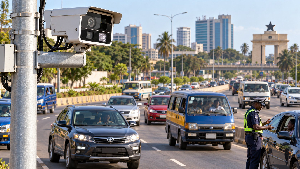
Ghana’s efforts to improve road safety through technology have begun yielding early enforcement results, with the newly introduced TraffiTech-GH system detecting thousands of traffic violations within its first week.
Launched in November 2026, the initiative initially focuses on speeding offences along road stretches equipped with adequate traffic signage as part of efforts to curb road accidents.
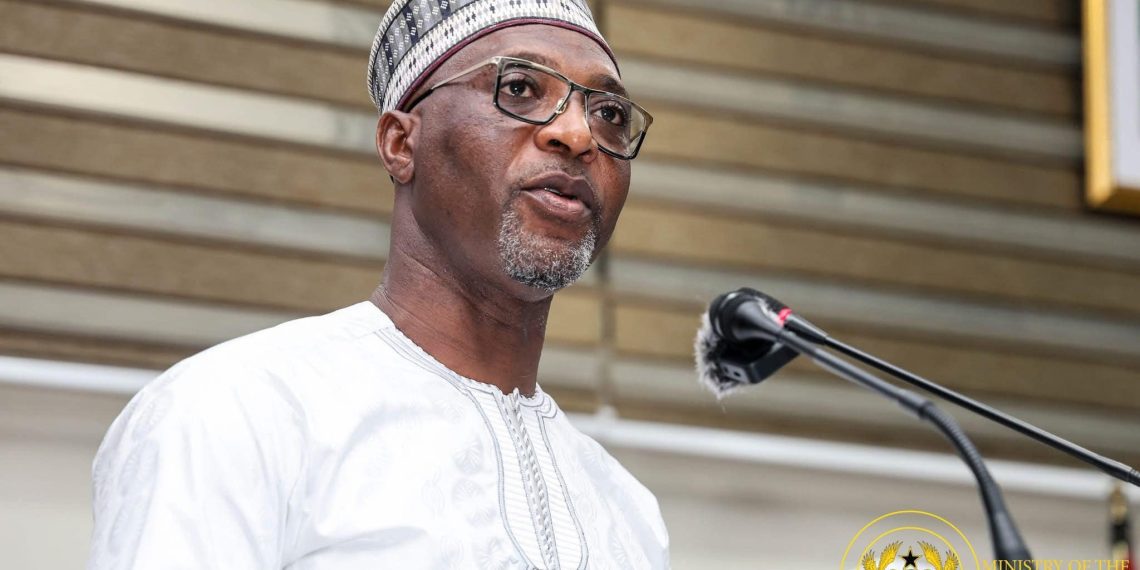
Presenting his contribution during parliamentary proceedings, the Minister of the Interior and Member of Parliament for Asawase, Honourable Mohammed Mubarak Muntaka stressed that, “the preliminary figures suggest a decline in road crashes since the system began operating.” He urged Members of Parliament to support public education on responsible road use and encourage compliance within their constituencies.
“At the end of the first week alone, the traffic infractions were 13,699. This means that people were fined almost 4 million Ghana cedis in just one week.”
Honourable Mohammed Mubarak Muntaka
Highlighting the scope of the intervention, Honourable Muntaka explained that the new legislation identifies 49 different traffic infractions that can attract sanctions. However, the Ministry began enforcement with only one offence: overspeeding to allow motorists to adjust to the system and familiarise themselves with its requirements.
Furthermore, he clarified that enforcement would apply exclusively to road sections with adequate signage. Consequently, where motorists had not received sufficient notice of the applicable speed restrictions, the automated system would not impose penalties.
The Minister identified this provision as an important safeguard in the implementation process, explaining that road users must be adequately informed before enforcement takes effect. This approach, he indicated, would ensure that the technology operates within clearly communicated traffic regulations.
More importantly, the early figures have drawn attention to the scale of unsafe driving practices on Ghanaian roads. Honourable Muntaka pointed to national road safety statistics, which record more than 2,000 deaths annually from road accidents, describing the situation as “a serious threat to public safety.”
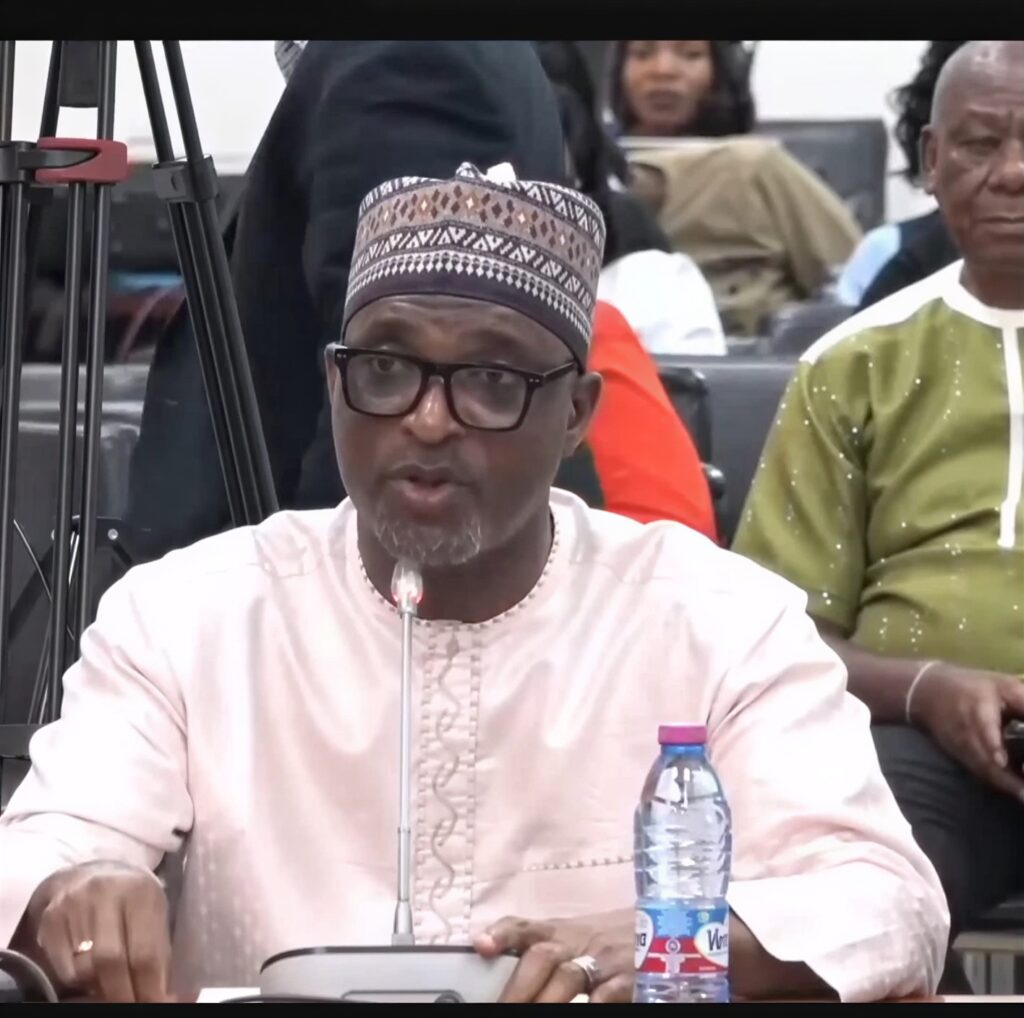
He observed that, “road crashes are claiming lives at an alarming rate” and called for collective responsibility in addressing the problem. The Interior Minister therefore encouraged legislators to incorporate road safety education into their constituency engagements, particularly as the system expands.
Although the Ministry intends to intensify the intervention, he emphasised the importance of sustaining public compliance to achieve meaningful reductions in road fatalities.
Interior Minister Credits Cooperation For Reduced Curfews Nationwide
Directing attention to security within the country, the Minister of the Interior, Honourable Mohammed Mubarak Muntaka credited political cooperation and community engagement for reducing the number of curfews across Ghana from 11 to two.
The Interior Minister identified the reduction as evidence that maintaining national security requires collective commitment, particularly in communities where longstanding disputes have disrupted ordinary social and economic activities. He further highlighted the importance of combining security operations with sustained engagement involving traditional authorities, youth groups and local opinion leaders.
“Today, as I speak, I’m proud to say that working together as Ghanaians, regardless of our political parties, regardless of the differences in our religion and culture, we are left with only two curfews in the country.”
Honourable Mohammed Mubarak Muntaka
Honourable Muntaka explained that the government inherited curfews in 11 communities upon assuming office in 2025, including Bimbilla, Sampa and Nkwanta. However, through engagements involving political representatives and other stakeholders, the number has since fallen to two, with restrictions remaining in Bimbilla and Sampa.
He noted that the prevailing restrictions in the two communities now run from 10:00 p.m. to 4:00 a.m., a development indicates that “the security situation has become more manageable.” The adjustment represents a significant change from the conditions that previously required more extensive restrictions on movement.
In the case of Bimbilla, the Minister recalled that residents endured nearly six years during which riding motorbikes was prohibited because of the severity of the security situation. The disturbances had also spread to Bunkpurugu, Walewale, Nalerigu, Asawase and Ashaiman, extending the effects of localised conflict to other communities.
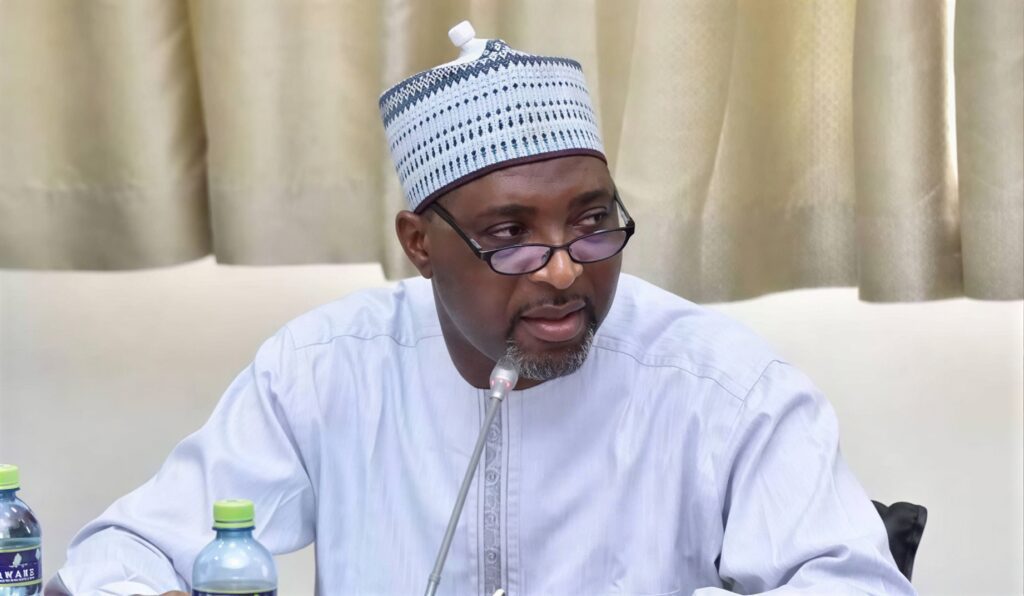
He consequently commended legislators across the political divide for helping to address the issues. The Interior Minister emphasised that political differences should not obstruct collective action when the safety and welfare of constituents are at stake.
Furthermore, he credited President John Dramani Mahama with providing the leadership and enabling environment for stakeholders to engage constructively. Nevertheless, he acknowledged that the responsibility for sustaining peace rests with several institutions and individuals, including Members of Parliament who maintain contact with communities on both sides of the political divide.
Turning to the Ministry’s security strategy, Honourable Muntaka argues against relying exclusively on the deployment of security personnel to resolve conflicts. He explained that kinetic interventions must be complemented by non-kinetic measures involving traditional authorities, youth groups and community opinion leaders.
The approach recognises that lasting security requires dialogue and cooperation alongside law enforcement. He therefore urged continued collaboration across political, religious and cultural differences to consolidate the progress recorded in affected communities.
READ ALSO: Over 300,000 Applied For The National Apprenticeship Programme