Tag: Politics

  • NPP Organiser Criticises EOCO, Labels Current Government As Most Intolerant

    NPP Organiser Criticises EOCO, Labels Current Government As Most Intolerant

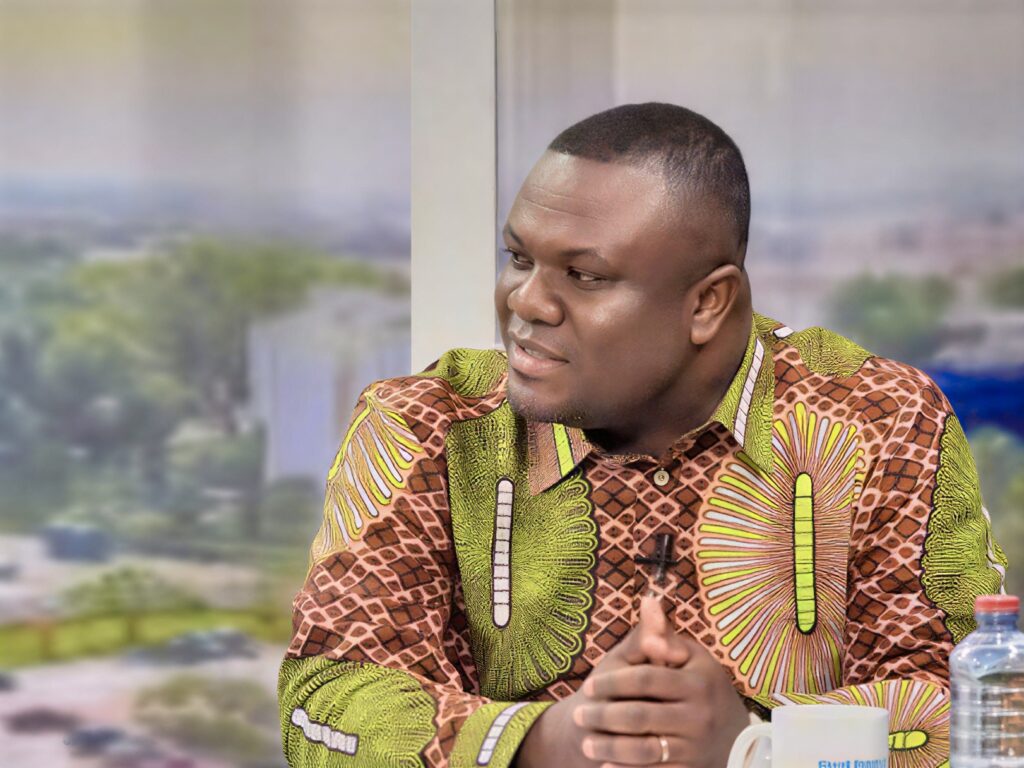
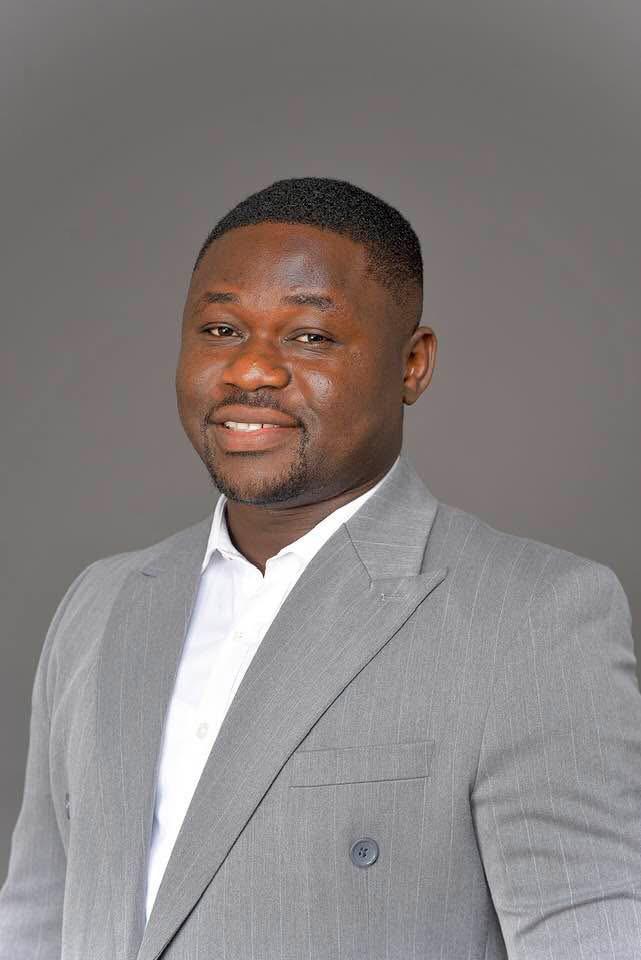
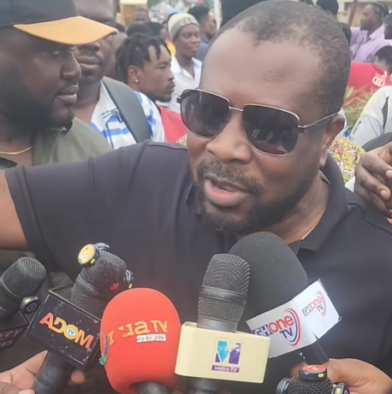
    The National Youth Organiser of the New Patriotic Party, Salam Mustapha has criticised the Economic and Organised Crime Office over the arrest of Dennis Miracles Aboagye. He alleged that the agency’s actions raised questions about its independence and the manner in which it handles matters involving citizens’ liberties.

    Speaking during a gathering of party supporters at the Economic and Organised Crime Office headquarters in Accra, Mustapha claimed that decisions within the institution were influenced by directives from higher authorities. The NPP youth leader argued that officials often refer to instructions from above when responding to issues involving the arrest of individuals.

    Salam Mustapha, National Youth Organizer of NPP

    Addressing the development, Salam Mustapha questioned the circumstances surrounding Dennis Miracles Aboagye’s detention after his arrival at the Kotoka International Airport. He argued that state institutions must operate with transparency and accountability when dealing with matters that affect the freedom of citizens.

    The NPP National Youth Organiser further criticised the leadership structure of the Economic and Organised Crime Office, focusing on the role of its Executive Director, Raymond Archer. According to him, the absence of the head of the institution should not affect decisions involving the rights and welfare of individuals in custody.

    “When you go into the offices right now and ask them anything, they will tell you, Order from above.”

    Salam Mustapha

    Furthermore, Salam Mustapha questioned whether such developments align with the democratic principles Ghana has adopted. He suggested that public institutions must demonstrate fairness and professionalism regardless of the political identity of individuals involved.

    Additionally, Salam Mustapha called on the leadership of state institutions to provide clarity on decisions involving arrests and investigations. He stated that citizens deserve proper communication whenever their freedom is affected.
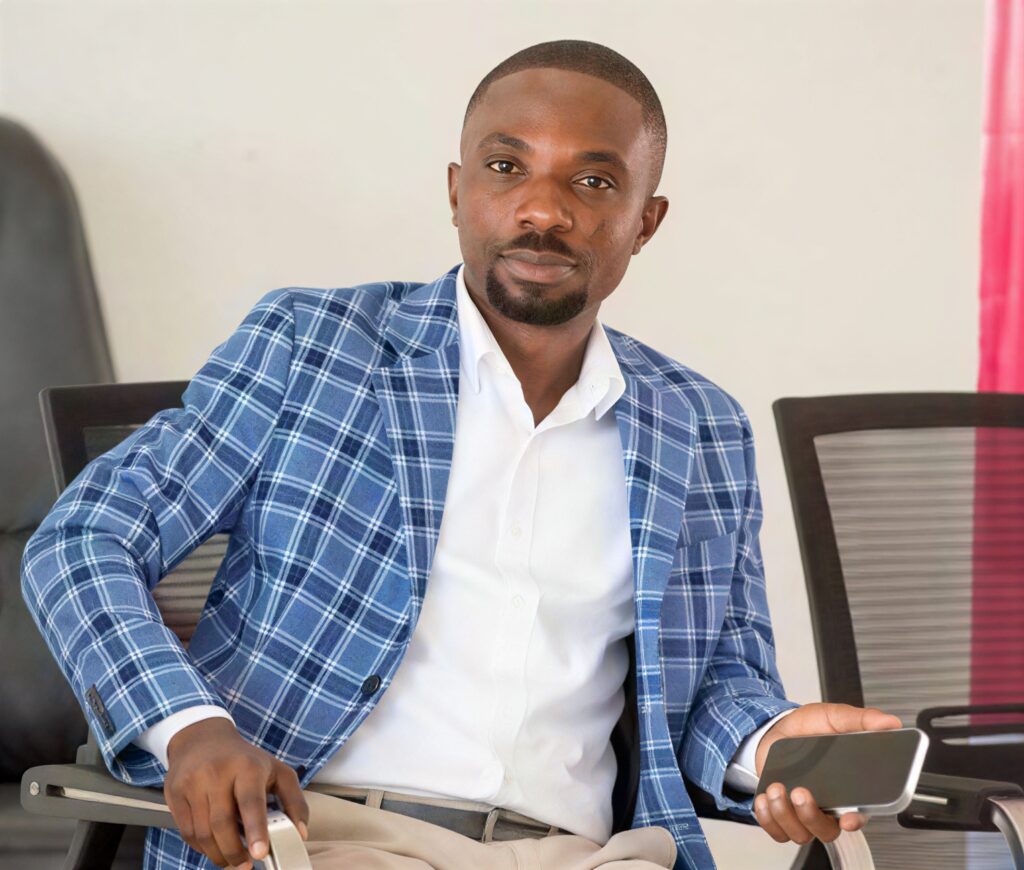
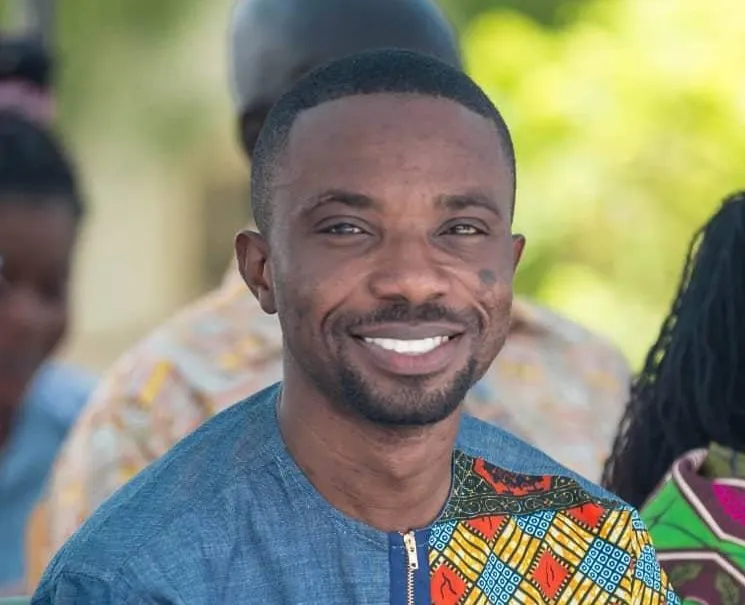
    Dennis Miracle Aboagye

    “Is that the kind of democracy we are building in this country? If the NDC loses an election today, when he’s going home, is he going to take the whole EOCO building to his house?”

    Salam Mustapha

    The National Youth Organiser said the situation needs fairness from those responsible for managing state institutions. He added that public confidence depends on ensuring that agencies act within the limits of their mandate.

    NPP Alleges Denial Of Legal Access After Communicator’s Detention

    The National Youth Organiser of the New Patriotic Party also accused the government of failing to uphold democratic principles following the arrest of Dennis Miracles Aboagye. He alleged that the detention reflected a pattern of actions that affected the rights of individuals connected to the opposition party.

    According to Salam Mustapha, Dennis Miracles Aboagye was arrested after returning to Ghana and did not show any indication of attempting to avoid authorities. He argued that the communicator had remained publicly available through his media engagements and party activities.

    Addressing the circumstances of the arrest, the NPP National Youth Organiser questioned why Dennis Miracles Aboagye was taken into custody at the airport without prior communication about any investigation. He stated that individuals required for questioning should be approached through appropriate procedures that respect their constitutional rights.
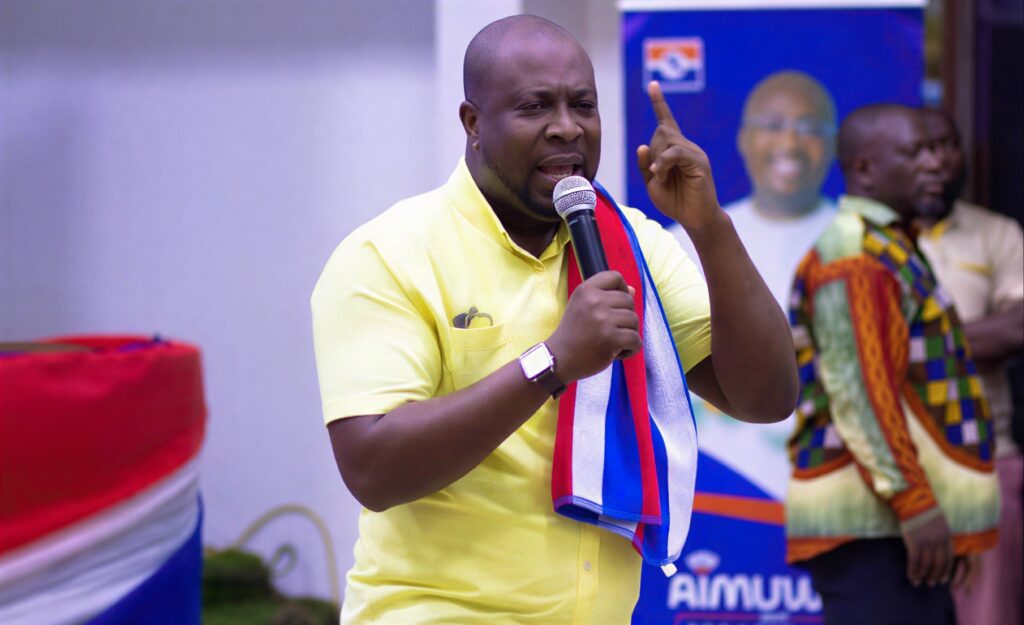
    Salam Mustapha, National Youth Organiser of NPP

    “He travelled and the moment he returned to Ghana, he was arrested. The guy was not absconding.”

    Salam Mustapha

    Furthermore, Salam Mustapha alleged that the party has recorded several arrests involving its members since the current administration assumed office. He claimed that the developments formed part of what he described as a growing challenge facing opposition figures.

    The NPP youth leader also criticised the alleged denial of access to legal representatives following Dennis Miracles Aboagye’s detention. He argued that every person in custody should have the opportunity to receive legal support in accordance with the laws of Ghana.

    Additionally, Salam Mustapha referred to constitutional protections governing the treatment of persons who are arrested and held by state authorities. He said respecting these provisions remains important in protecting public confidence in democratic institutions.

    The comments followed claims by the New Patriotic Party that Dennis Miracles Aboagye had not been informed about the reasons for his arrest before he was taken into custody. The party also alleged that attempts by representatives to access him had been unsuccessful.

    “They don’t tell you why they are arresting you, they just come and pick you and take you away.”

    Salam Mustapha

    Meanwhile, the arrest has continued to generate discussions between the opposition party and state investigative bodies. The New Patriotic Party has called for access to Dennis Miracles Aboagye’s lawyers and family while requesting clarity from the relevant authorities.

  • Stop the Semantic Deception, Minority Warns Government

    Stop the Semantic Deception, Minority Warns Government

    The Minority in Parliament has warned the government to desist from using language to mislead citizens.

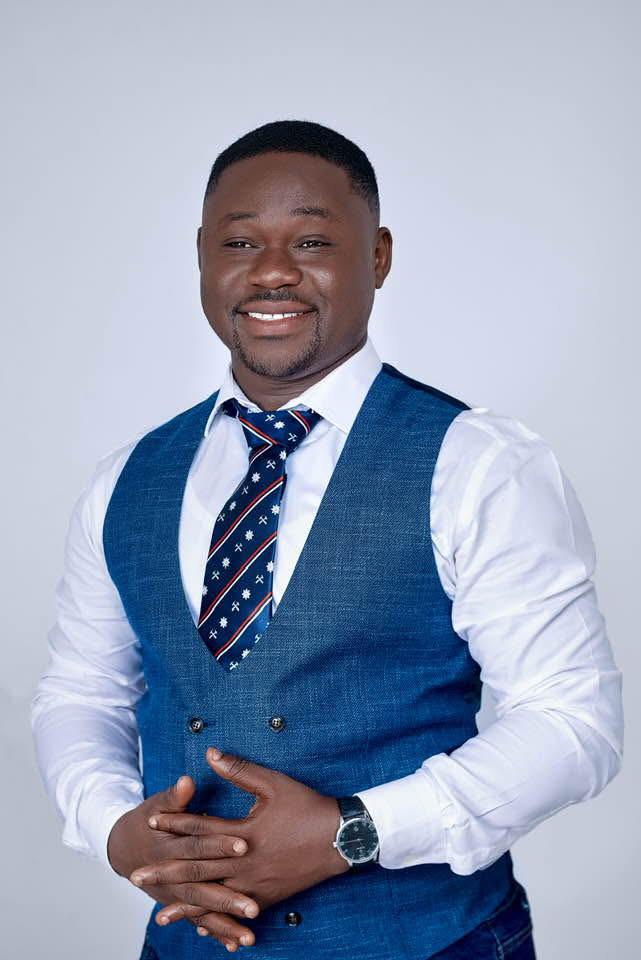
    Speaking to the media on the persistent challenges in the energy sector, the Deputy Ranking Member on Parliament’s Energy Committee, Hon. Collins Adomako-Mensah, led calls for immediate transparency from the administration regarding the deteriorating power situation.

    He asserted that the current power crisis stems from the government’s failure to implement the recovery plan it inherited upon taking office.

    He emphasised that citizens deserve to know the truth about the financial health of the energy sector and the real causes of the ongoing blackouts.

    The Member of Parliament for Afigya Kwabre North also accused the administration of using misleading terminology to describe the nationwide outages.

    According to him, the government has framed the crisis as routine transformer upgrades in an attempt to avoid admitting operational failures.

    The Minority insisted that the Energy Sector Recovery Programme must be fully and faithfully implemented, with a public timeline verified by independent parties. They noted that every week of delay deepens the financial deterioration contributing to the current instability in the national grid.

    Hon. Collins Adomako-Mensah also highlighted the heavy financial burden on Independent Power Producers due to chronic payment defaults.

    He called on the government to publish the total outstanding obligations and provide a binding payment schedule.

    The Minority further expressed concern about the physical condition of the national transmission and distribution network. They called for a nationwide infrastructure safety audit to assess the maintenance status of all critical components within Ghana’s power system.

    Additionally, the group demanded that the Minister for Energy appear before the full House of Parliament to brief members on generation capacity. They stressed that parliamentary oversight remains a constitutional obligation that the executive must respect.

    The address also touched on the recent suspensions of officials at GRIDCo and the Electricity Company of Ghana in the Ashanti Region.

    The Minority insisted that any investigations into these matters must follow transparent due process and be based strictly on evidence. They insisted that the current party should stop using descriptive words to qualify the current energy situations.

    “The government must immediately cease describing a nationwide power crisis as a planned maintenance program or a series of routine transformer upgrades. Ghanaians are not fooled. The lights are out because this government has failed to implement the recovery plan it inherited, not because of engineering schedules.”

    Hon. Collins Adomako-Mensah, MP for Afigya Kwabre North

    He argued that the government is sacrificing public servants for political optics while ministers evade accountability for policy failures. The speech described recent administrative reshuffles as a calculated attempt to mask the absence of a coherent energy policy.

    Financial Neglect And Abandoned Recovery Plans Fuel National Blackouts

    The Minority caucus detailed how the abandonment of the Energy Sector Recovery Programme has led directly to the current crisis. They pointed out that revenue shortfalls remain unresolved while the sector continues to deteriorate under the current administration.

    Hon. Collins Adomako-Mensah, Member of Parliament for Afigya Kwabre North

    Hon. Habib, First Deputy Minority Whip, is expected to file a Right to Information (RTI) request regarding the energy sector levy. The move aims to uncover the total amount collected and how those funds have been utilized during the ongoing power crisis.

    The parliamentarians argued that the outages are the result of sustained financial neglect. They described the government’s approach as a public relations exercise that seeks to explain away a national emergency rather than confront it.

    Hon. Adomako-Mensah further noted that power outages were already widespread across the country prior to specific incidents at the Akosombo Dam. He attributed the systemic failures to persistent mismanagement since the government assumed office in January 2025.

    The Minority vowed to pursue full parliamentary scrutiny of the crisis through all constitutional means available. They pledged to remain the voice of the people until the government takes responsibility for what they described as a preventable situation.

    “If funds have been misappropriated, those responsible must be held accountable. We will not let this matter rest. Hon. Habib, First Deputy Minority Whip, will be filing an RTI request on the energy sector levy and how much has been realized and how it has been used.”

    Hon. Collins Adomako-Mensah, MP for Afigya Kwabre North

    The Minority called for a firm rejection of the explanations offered by the Ministry of Energy. The Minority maintained that the government is managing the crisis through optics.

    The Minority reiterated that the public owns the energy infrastructure and has a right to know the operational status of key facilities.

  • The Politics of Morality: Inside Ghana’s LGBTQ Debate

    The Politics of Morality: Inside Ghana’s LGBTQ Debate

    The current debate around the Human Sexual Rights and Family Values Bill is a political strategy. Both parties have weaponized the situations surrounding it to drive attention toward it.

    In 2024, the ruling party, NPP, after numerous failed attempts, did not sign the bill, while the NDC, spearheaded by Sam George, pushed it forward for its campaigns. Though the NDC’s victory cannot be reduced to a single issue, the bill formed part of their electoral advantage. After the election, the bill remains unsigned, and the public attention around it has intensified continuously.

    Earlier in the week, the Minority accused the Mahama administration of reversing course. Addressing journalists, Rev. Fordjour alleged that the President and his administration had secured electoral victory on the back of strong public advocacy for the bill, only to retreat from that position after assuming office.

    The accusation reconstructed the climate of the 2024 campaign, where the bill operated as a signal of national commitment. He described it as “grand deception,” a disconnect between campaign rhetoric and governance decisions. If political messaging during the campaign relied on moral urgency, then the shift after the election invites scrutiny of intent and consistency across both sides.

    In another interview, Rev. Ntim Fordjour argued that failure to sign the bill contributed to NPP’s electoral defeat. He said, “If the President had signed the bill, we would have served the nation better and it would have even enhanced the image of my party.” “I dare say that the outcome of the 2024 elections would have been different,” he added. This claim redirects attention to a counterfactual outcome and places electoral loss within a single decision point. A different reading suggests a different political context on the basis of multiple economic, and political factors rather than a single legislative issue. The bill operated within an electoral calculated move where parties sought understanding across diverse groups, where one side was allowed to consolidate sentiment while placing the other within a narrowing field of response.

    The NDC, now in government, has adjusted its posture as the bill continues to draw attention beyond Parliament. The withdrawal of an honorary award to John Dramani Mahama by Lincoln University over his stated position on LGBTQ issues brings the debate into an international and institutional setting. The LGBTQI issue transcends the domestic politics of Ghana to international body. The significance of the withdrawal lies in its implications rather than the award itself as political decisions can produce external consequences for partnerships, and credibility. Reactions to the decision also reveal a divide in interpretation. For some, it reinforces the need to defend local values without external pressure. For others, it raises concerns about how Ghana’s political direction is viewed globally. Though the President has affirmed his stance, the issue still draws much from the international bodies.

    The Minority has also raised concerns about educational content, accusing the government of introducing LGBTQ-related material into the curriculum. The claim centers on definitions of gender identity as a person’s internal experience, which may not correspond with assigned sex at birth, and the suggestion that gender includes male, female, or a combination of both. This position invites debate on whether such definitions are significant to evolving academic perspectives or represent a departure from established norms within Ghanaian society.

    The argument poses questions of authority, interpretation, and the role of education in shaping social understanding. A closer examination of political conduct complicates these accusations. While in office, the handling of the bill followed a pattern of extended procedure without conclusion. Deliberation continued within institutional channels, accompanied by legal and administrative justification, nonetheless, no decisive action followed.

    The absence of resolution did not prevent the issue from remaining active in public discourse. In opposition, the same delay is presented as failure, recast as evidence of retreat rather than caution. The direction in interpretation is based on the influence of political positioning on public judgment as opposition sharpens critique.

    From Campaign Rhetoric to Governance Reality and Policy Choices

     In 2024, Sam George framed opposition to LGBTQ recognition as a central campaign concern, presenting it with urgency and clarity. In government, there could be a difference in dissemination of communication. Felix Ofosu Kwakye stated, “this is not an issue, it is a waste of time,” redirecting attention toward socioeconomic priorities. This has raised concerns though in practice, he has a valid point as the fuel pricing and others have drawn attention.

    At the same time, Sam George has maintained its significance and emphasized how it remains a national priority.

    “To those who say we have other priorities, this is a priority for us. This is a priority for us. Any country worth its salt can deal with multiple priorities at the same time.”

    Sam George

    The divergence in emphasis within the same administration create tension in public communication and raise questions about coherence and agenda direction.

    Senegal and Burkina Faso have taken firmer legislative positions within these stakes of debates. Ghana occupies a different space, shaped by deeper engagement with international partners whose positions on LGBTQ issues diverge from prevailing local attitudes. This contrast places the decision over the bill within a broader calculation that extends beyond parliament.

    Signing the bill would project decisiveness and respond to segments of domestic opinion that have demanded action, strengthening claims of representation and political legitimacy. It could also introduce new pressures, particularly in diplomatic and economic relations. Refusal or continued delay preserves room for negotiation and protects external interests, yet risks reinforcing public perceptions of inconsistency and weakening trust in political commitments.

    The future of the bill therefore rests less on stated conviction and more on how far either side is willing to convert political advantage into binding action.

  • Phil Woolas Passes On At 66

    Phil Woolas Passes On At 66

    Former British lawmaker Phil Woolas, has passed on at the age of 66 after battling brain cancer.

    His death was confirmed in a statement attributed to family members and close associates announcing that, “for more than a year, he battled brain cancer, glioblastoma.” “He leaves his wife Tracey, his sons Josh and Jed and a new grandson, and many friends and former colleagues who will all miss him greatly,” the statement added.

    Woolas was widely known in British political circles for his sharp communication skills and loyalty to the Labour Party. He was also recognized for his sometimes controversial approach to immigration and community relations.

    Phil Woolas.

    His passing has prompted tributes from political allies and former colleagues across the United Kingdom. Many described him as a committed public servant and a formidable political operator.

    Former Prime Minister, Sir Tony Blair said that Woolas was an “outstanding” member of the New Labour government.

    “Phil was an outstanding member of the New Labour government, a greatly respected and admired colleague, and a source of both humour and rich political insight to all lucky enough to know him. I remember and deeply appreciate his support to me over the years, through the good times and the bad. My deepest condolences to the wonderful Tracey and to their sons, Josh and Jed, and all their wider family.”

    Sir Tony Blair

    Defence Secretary John Healey, a close friend, also highlighted Woolas’ contribution to the New Labour.

    “During the ’80s and ’90s, many helped lay the foundations for New Labour, defeating the hard left and modernising the student movement, trade unions, media, Labour Party and Parliamentary Labour Party. No one played a significant role in all these areas except Phil. He was a highly regarded ministerial operator with friends across the political divide, despite being a fiercely loyal Labour man all his life.”

    John Healey

    Life and Political Career of Phil Woolas

    Phil Woolas was born in 1959 in Scunthorpe, England, and grew up in a politically active environment. He developed an early interest in public life.

    As a teenager, he joined the Labour Party. This began a decades-long association with a political movement that dominated much of Britain’s centre-left politics in the late twentieth and early twenty-first centuries.

    Before entering parliamentary politics, Woolas worked as a television producer and then as Head of communications for the trade union GMB. These roles established his reputation as a skilled communicator and strategist traits that proved valuable in Westminster.

    His early years were spent in student politics and union activities, and in the 1980s, as President of the National Union of Students, he rose to popularity among young Labour activists and established a network that aided his subsequent ascent inside the party.

    Woolas entered Parliament in 1997, a landmark year in British politics. That year, the Labour Party won a landslide general election under Tony Blair’s leadership. The election ended nearly two decades of Conservative rule and ushered in an era often described as “New Labour.”

    During that election, Woolas was chosen as the Member of Parliament for Oldham East and Saddleworth. This constituency in Greater Manchester had a complex social and economic landscape. The area had experienced significant industrial decline and demographic change. These factors made it a politically sensitive constituency.

    Woolas represented Oldham East and Saddleworth from 1997 to 2010, developing a reputation as an active constituency MP who maintained strong community ties. During the Labour governments of Tony Blair and Gordon Brown, Woolas served in ministerial roles and rose through government ranks, serving as a whip and later as Deputy Leader of the House of Commons.

    He also served as Minister of State for Local Government, before moving to the Department for Environment, Food and Rural Affairs as Environment Minister with responsibility for climate change, energy and sustainable development. He was later appointed Minister of State for Borders and Immigration, serving jointly at the Home Office and HM Treasury.

    Woolas became well-known for his outspoken stance on immigration, an issue debated intensely in the UK in the late 2000s. Supporters called his approach pragmatic, while critics argued his rhetoric sometimes heightened tensions.

    Despite the controversies, Woolas remained a significant figure within the Labour Party’s ministerial ranks until the party lost power in the 2010 general election.

    According to the statement from his family and close associates, “from 2011 onwards, Phil set up and ran his own political and risk consultancy,” adding that for more than 25 years, “Phil was the Chair of The Ace Centre, an Oldham charity helping people with communication difficulties, that he led to become a national charity leader in assistive technology for severely disabled people.”

  • Hamza Suhuyini Fires OSP, Accuses Agyebeng of Using Deflection to Avoid Accountability

    Hamza Suhuyini Fires OSP, Accuses Agyebeng of Using Deflection to Avoid Accountability

    The credibility and competence of the Office of the Special Prosecutor (OSP) have come under searing attack, with NDC political commentator and lawyer Hamza Suhuyini launching an extraordinary broadside, labeling Special Prosecutor Kissi Agyebeng and his Director of Strategy, Research, and Communications, Sammy Darko, as mere “politicians dressed in legal attire.”

    Suhuyini asserted that the OSP leadership constitutes a “major stumbling block” to Ghana’s anti-corruption fight, systematically employing deflection tactics and sensational claims to skirt accountability.

    ”From day one I have been consistent that the issues we are discussing are twofold – The credibility and integrity of the special prosecutor’s office and its officeholders and the relevance of that particular office. There are so many things happening that we are taking for granted”

    Hamza Suhuyini, NDC Communications Team Member

    Suhuyini’s critique focused on a consistent pattern of highly publicized actions by the OSP that he argued were strategically timed to avert public scrutiny of the office’s own integrity and effectiveness. He maintained that the constant shift in focus prevents genuine discussion on the “nitty-gritties of accountability” relating to the OSP’s relevance and performance.

    According to Suhuyini, the OSP leadership has perfected the art of throwing out “bait” – shocking announcements or major cases – whenever pressure mounts on the office. He illustrated this strategy using several high-profile incidents involving major economic and political figures.

    Kissi Agyebeng, Special Prosecutor

    He recalled the instance when questions arose over the OSP’s handling of the proposed extradition of former Finance Minister Ken Ofori-Atta. Specifically, when the Deputy Attorney-General raised legitimate inquiries about the extradition docket, the OSP had initially stated the docket was incomplete.

    Yet, the OSP had already formally written to the Chief of Staff requesting government intervention to facilitate the repatriation of the individual.

    “So on what basis did you make that request for government intervention to bring him – When you were not done with your docket, that could inform such an extradition?” Suhuyini questioned.

    Suhuyini argued that instead of addressing this inconsistency, the OSP quickly released the SML contract report just two days later. He claimed this was a calculated move to once again “deflect attention,” and get the public hooked onto a new, major headline, thereby escaping scrutiny over the incomplete docket and procedural anomaly.

    From Kpebu to Uncorroborated Claims

    The deflection strategy, Suhuyini claimed, escalated when Senior Counsel Martin Kpebu raised serious issues of misconduct and accountability and publicly indicated he was preparing a petition for the Special Prosecutor’s removal.

    Suhuyini argued that as pressure intensified and demands for accountability became the order of the day, the OSP quickly retaliated with another “bait”: announcing over 71 charges against Ken Ofori-Atta to once again shift the media narrative.

    Mr. Samuel Appiah Darko, OSP’s Director of Strategy, Research, and Communications

    This cycle of distraction reached a fever pitch following the OSP’s controversial handling of Martin Kpebu’s allegations. Suhuyini condemned the OSP’s decision to invite Kpebu to bring evidence to the office, effectively electing itself to investigate allegations of misconduct against the Special Prosecutor himself.

    “When have you ever heard that in law? And as if that was not enough, he proceeded to attempt to detain him,” Suhuyini argued, citing a clear violation of natural justice principles.

    When pressure mounted further over the attempted detention and the illegality of investigating oneself, Sammy Darko suddenly appeared in the media, throwing out the shocking, yet uncorroborated, claims of being handcuffed and beaten by seventeen police officers and that the Special Prosecutor Kissi Agyebeng had survived two assassination attempts.

    “These guys are politicians in legal attire and on a daily basis, they are debasing the foundations of our collective objective to fight corruption”

    Hamza Suhuyini, NDC Communications Team Member

    Suhuyini expressed open skepticism regarding the details of the claims, pointing to the specificity of counting exactly seventeen policemen during an alleged beating.

    He maintained that the claims of assault and threats, which he said “cannot be corroborated,” were the latest and most dramatic attempt by the OSP leadership to “deflect attention,” from the core issues of their integrity, credibility, and operational effectiveness.

    Suhuyini ultimately concluded that the actions and posture of Mr. Agyebeng and Mr. Darko betray the high mandate of the office.

    By constantly engaging in political maneuvering, they constitute a major stumbling block, hindering Ghana’s collective objective to establish genuine accountability and effectively fight corruption.

  • ‘Dirty Politics’ Responsible for  Ewoyaa Lithium Deal  Delay – Wisdom Gomashie

    ‘Dirty Politics’ Responsible for  Ewoyaa Lithium Deal  Delay – Wisdom Gomashie

     Ing. Wisdom Edem Gomashie, a prominent mining consultant, has attributed the veil on the controversy surrounding the contentious Ewoyaa Lithium deal to what he described as ‘dirty politics‘.

    While the nation eagerly awaits the ratification of the said Ewoyaa Lithium Mining Lease, Gomashie in a detailed analysis, shed light on the intricate web of political maneuverings, fiscal negotiations, and the hypocrisy that confronting this critical economic venture.

    Gomashie’s insights delve into the heart of the issue, exposing the conflicting narratives and the unhealthy political attempt by some parties to claim that the government’s revision of the royalty rate from 10% to 5% is “because of falling lithium prices.”

    However, Mr. Gomashie believes, “IMANI and some well-informed natural resources governance experts have debunked that claim”.

    “While we are all, in the spirit of socio-economic development hoping that, Parliament of Ghana ratifies the Ewoyaa lease, to at least give hope to the people of the area and the investor (who is just a victim of dirty politics in our country), however, it should be done in a manner that does not nail the previous government in any bad light and that, SOME UNSPEAKABLE HYPOCRITES must be put to check…”

    Ing. Wisdom Edem Gomashie

    Background and Diverse Opinions

    The Ewoyaa Lithium Mining Lease was signed by the former Minister of Lands and Natural Resources, Hon. Samuel A. Jinapor, in October 2023 and was slated for ratification by mid-2024. However, the deal faced stiff opposition from the then-opposition, the National Democratic Congress (NDC), with the exception of Hon. Kwabena Donkor, who spoke as a well-informed professional.

    The diverse opinions on the deal were not limited to political parties; a host of civil society organizations (CSOs), academics, and media outlets also rose against the agreement on claims that the deal as it was, did not cover the best interest of the country and the host communities to be specific.

    This public outcry, coupled with the  then-ruling New Patriotic Party’s (NPP) own problems in the run-up to the general elections, ultimately prevented the ratification of the lease through Parliament.

    Significance and Economic Implications

    Gomashie’s analysis reveals that the Ewoyaa Lithium Mining Lease as at then, offered a significant economic opportunity for the country.

    The deal included a 10% royalty rate, a 13% free-carried interest, and the creation of a community development fund that would allocate 1% of revenue (not profits) to the host communities, Mfantseman District and its environs.

    According to Gomashie, the lease period was as well reduced from the traditional 30 years to 15 years, allowing the state to renegotiate terms more frequently.

    These provisions, made amidst predictions of falling lithium prices, were intended to safeguard Ghana’s interests and ensure a more equitable distribution of the benefits from the exploitation of this valuable mineral resource.

     However, the public perception and the stance of the then-opposition, NDC ultimately prevented the ratification of the deal.

    The Politics of the Deal

    Ing. Wisdom Edem Gomashie

    Gomashie’s analysis delves deeper, exposing the hypocrisy of those who initially opposed the when it was far better and have now lost their voices when it got bad.

    He points out that the NDC and some CSOs, including academics, had claimed the 10% royalty rate negotiated by the New Patriotic Party (NPP) was “not good” and should be revised to 5%.

    Now, with the National Democratic Congress in power, they are faced with the dilemma of either “Maintain the bad deal by the NPP” or “Make it Better.”

    Gomashie also questioned the sudden shift in stance, noting that the NDC and their hired consultants cannot justify reversing the royalty rate from 10% to 5% solely based on a fall in lithium prices.

    Gomashie emphasised the need for anti-corruption agencies and practitioners to scrutinize how a “supposed bad deal of 10% royalty is converted into a good a deal of 5% overnight.”

    As a mining Consultant, Ing. Wisdom Edem Gomashie’s analysis opened a Pandora’s box, exposing the intricate web of politics, fiscal negotiations, and the hypocrisy that have surrounded the Ewoyaa Lithium Mining Lease.

    While the nation awaits the ratification of this critical deal, Gomashie’s insights serve as a clarion call for transparency, accountability, and a genuine commitment to the economic development of the country.

  • Fmr Peace Council Chair Demands End to Excessive Politicization

    Fmr Peace Council Chair Demands End to Excessive Politicization

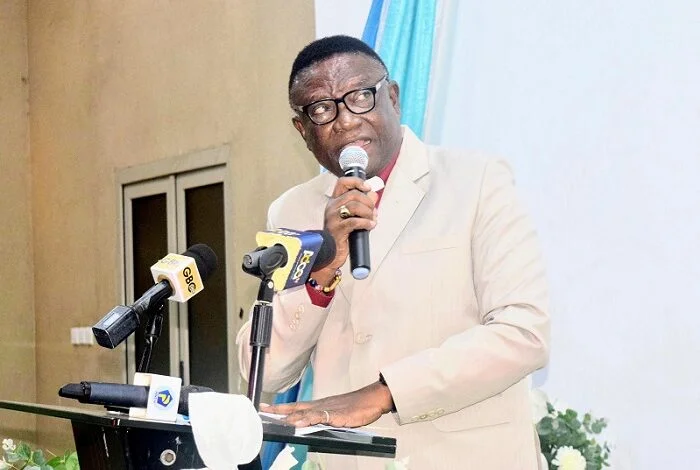
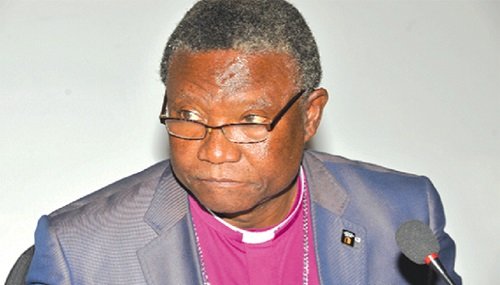
    The former Chairperson of the National Peace Council, Most Reverend Professor Emmanuel Asante has condemned the growing politicization of issues in the country which often fuels tensions and hinder peacebuilding effort across the country.

    He made these remarks at an event organized by the National Peace Council to promote peace between the Kusaasi and Mamprusi factions residing in the Ashanti Region.

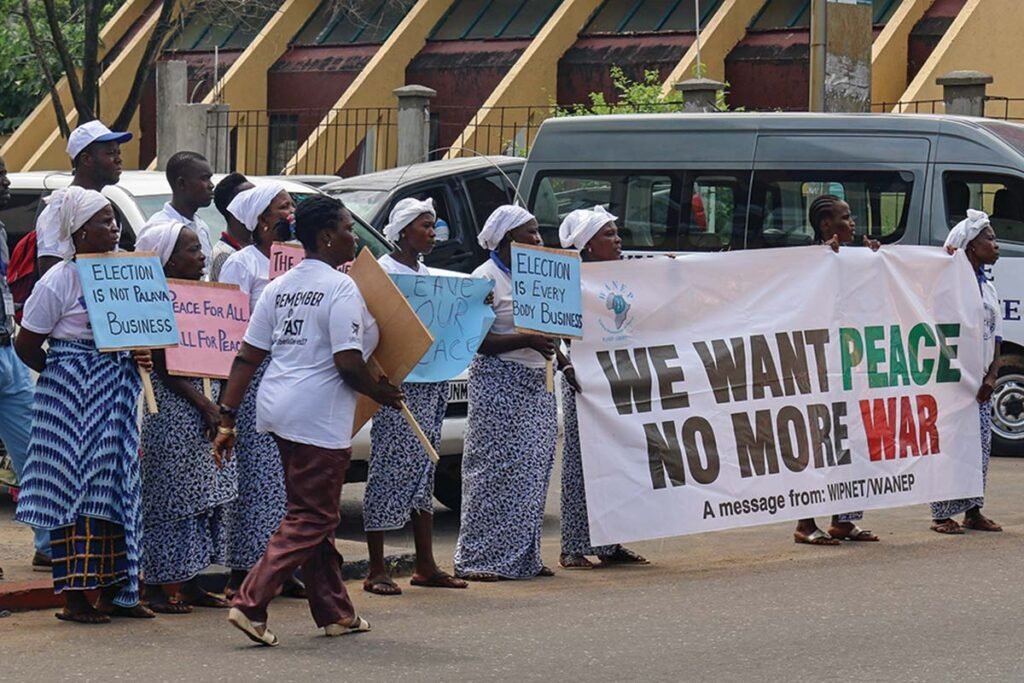
    Prof. Emmanuel Asante noted that in times of conflict, women and children are often the ones who suffer from the damage and instability that follows. According to him, women bear some of the heaviest burdens of war and therefore must be actively included in peacebuilding

    He underscored the crucial role of women in resolving the Bawku conflict, adding that their involvement is key to building lasting peace in the area.

    “When husbands are killed, they take responsibility for their homes and their children, and it becomes very difficult for them, so we thought it wise to engage women. What we are doing here is only the beginning, it is also my wish that as we have started here, we will be able to grow – women will be able to really come together and demonstrate publicly the unity that they have”

    Most Rev. Prof. Emmanuel Asante, Former Chairperson National Peace Council
    Most Rev. Prof. Emmanuel Asante, Former Chairperson National Peace Council

    Women – Bonds That Cuts Across Ethnopolitics

    Prof. Asante stated that the women continuously demonstrate the family ties that connect the people of Bawku, stressing that those bonds cut across ethnic lines and political affiliations, relationships specifically through intermarriages are a strong reminder that the group in the conflicts shares more in common than they realize.

    “They kept saying, we belong to one another. My own mother is Kusaasi, my father is from another group and there are many intermarriages. Even some of our politicians – like Ayariga and others are part of some family ties through intermarriages”

    Most Rev. Prof. Emmanuel Asante, Former Chairperson National Peace Council

    For him, women have an essential role to play in promoting peace and unity, especially in areas affected by the conflict. He explained that bringing women together in Kumasi was not just a symbolic act but a deliberate attempt to show that peace can be built through inclusion and collaborative efforts.

    According to him, “if the women will come together, even here in Kumasi and demonstrate and show that oneness, it will make a real impact.”

    He further pointed out that the diversity of women who attended the program underscores the spirit of national unity, adding that some participants had travelled from far areas to be part of the initiative. This will “do a lot for the Bawku Peace Initiative,” he said.

    Women in Peacebuilding

    National Peacebuilding

    Prof. Asante expressed confidence that women’s involvement in the ongoing peacebuilding process would inspire others across the country to take similar action.

    He emphasized that the unity and commitment shown in Kumasi should be one to emulate and extend it beyond to encourage women in other regions to take up leading roles to foster harmony. The former Chairperson noted that such consistent efforts could transform local peace initiative into national unity.

    “Other women in different regions will also take a cue from what they are doing and follow, this is crucial and praying that it will not just be a day’s wonder – that the zeal with which they have spoken and the commitments they have made will be able to push further”

    Most Rev. Prof. Emmanuel Asante, Former Chairperson National Peace Council

    He concluded by urging all stakeholders to keep supporting efforts that promote harmony and understanding among the people of Bawku. He said, “we want to see that unity, oneness, public demonstration of togetherness so that it will stretch and touch the different regions and bring peace to Bawku; Bawku’s peace is the peace of Ghana.”

    The event, part of ongoing efforts by the National Peace Council to consolidate peace in Bawku and its surrounding communities, reaffirmed the Council’s commitment to inclusive dialogue and grassroots engagement. By prioritizing women’s participation, the Council hopes to nurture a more resilient and unified approach to peacebuilding—one rooted in empathy, collaboration, and shared humanity.

  • NDC’s Galamsey ‘Failure’ Sparks Fierce Criticism

    NDC’s Galamsey ‘Failure’ Sparks Fierce Criticism

    The issue of Galamsey has once again ignited heated political debate, this time with strong words from Dennis Miracles Aboagye, a leading communicator for the New Patriotic Party (NPP). 

    He launched a scathing attack on the National Democratic Congress (NDC), accusing the party of becoming a major obstacle to national progress and failing woefully in its promises to Ghanaians.

    According to Aboagye, the NDC has quickly transformed into what he described as a disruptive interlude in Ghana’s development journey. 

    He argued that rather than fulfilling their campaign pledges, the NDC has wasted precious time, leaving citizens frustrated and the nation’s future at risk.

    “We are in the 8th month of the year, and they have not initiated a single new strategy in dealing with the Galamsey menace. Rather, their officials in government and party are on record to have invaded our forests and river bodies, actively destroying our natural resources in search of gold.”

    Dennis Miracles Aboagye

    Aboagye emphasized that governance is about seriousness, responsibility, and delivery, not rhetoric. For him, the governing party must take its role more seriously and show that it is capable of honouring its commitments. 

    He expressed disappointment over the government’s inability to follow through even on the simplest pledges it made to the electorate, noting that excuses have become the order of the day.

    He pointed to the handling of promises regarding the repeal of certain laws as an example, stressing that listening to the government’s endless justifications has become stressful. 

    In his view, when a party makes pledges, it owes the people delivery, not explanations.

    Dennis Miracles Aboagye on galamsey
    Dennis Miracles Aboagye

    “Enough of the rhetoric and talk, they should just walk the talk and fix the situation. It is sad to see NDC members and government officials like Prof. Gyampo gone completely mute and swimming in power while his colleagues in the party destroy our rivers and forests.”

    Dennis Miracles Aboagye

    In his view, the government can no longer afford to posture and issue lofty promises while the nation’s forests, rivers, and farmlands face irreparable devastation from illegal mining

    He stressed that Ghanaians deserve more than polished rhetoric or carefully crafted speeches; what the public is demanding is visible, decisive action that safeguards the environment and preserves the country’s natural resources for future generations.

    NDC’s Galamsey Fight Strategy Questioned 

    Dennis Aboagye further strongly criticized the recent remarks of Hon. Okudzeto Ablakwa, who announced that the government would adopt a ruthless approach in addressing the galamsey menace. 

    For Aboagye, such a declaration was not only disappointing but also deeply frustrating. He questioned what the government had been doing in the past seven months, suggesting that its posture amounted to accommodating illegal miners rather than confronting them. 

    focus on galamsey and illegal mining
    Galamseyers

    In his view, the ruling party should stop making pronouncements and instead deliver on the promises it set out, completing those commitments before speaking of becoming ruthless.

    He reminded the government of the very promises it made to the people of Ghana regarding Galamsey. 

    Among these commitments were: declaring a state of emergency, temporarily banning small-scale mining, halting mining in forest reserves, freeing arrested galamsey operators while returning their confiscated excavators, shifting focus from pit workers to the kingpins of the illegal trade, and deploying artificial intelligence (AI) technology to combat the menace.

    “Just implement the above so we can do a proper appraisal. The alarming rate at which NDC party officials have been caught on camera and audio engaged in Galamsey is scary, and the earlier they deal with it, the better for our dear nation.”

    Dennis Miracles Aboagye
    galamsey fight in limbo
    Galamsey affects water bodies

    He contended that until the government delivers on these promises, Ghanaians will continue to view the NDC as nothing more than a political distraction. 

    According to him, the party has already become a “disruptive interlude” in Ghana’s governance and is fast turning into a colossal disappointment.

    Ultimately, Aboagye concluded that the NDC is wasting the nation’s time with excuses, failed promises, and misplaced priorities. 

    For him, the country needs action that restores the environment, protects natural resources, and demonstrates real leadership—action that starts with fixing Galamsey once and for all.

  • Galamsey Fight Doomed Without Political Will, Says IMANI VP

    Galamsey Fight Doomed Without Political Will, Says IMANI VP

    IMANI Africa’s Vice President, Kofi Bentil, has declared that Ghana’s fight against illegal mining, commonly known as galamsey, will fail without decisive political will from President John Dramani Mahama.

    He stressed that while the President has taken early steps to show commitment, the issue remains deeply entrenched in Ghana’s political system, and superficial actions will not suffice to end the crisis.

    “The erstwhile government’s record on galamsey is abysmal and it’s one of the reasons why the NPP lost with the margin that they lost. To that extent, what President Mahama is doing is better than what President Akufo-Addo did. But that’s not enough”

    Kofi Bentil, Vice President of IMANI Africa

    He emphasized that political actors are central to the survival of illegal mining in Ghana. According to him, the problem is not only environmental or economic, but fundamentally political – controlled and protected by the same politicians who publicly condemn it.

    President John Dramani Mahama

    Bentil condemned the interference of political leaders who frustrate enforcement efforts by ordering the release of arrested individuals. He warned that as long as these leaders continue to interfere, the military and police cannot act with integrity in galamsey-prone zones.

    He proposed a radical solution, suggesting the establishment of a “galamsey commission” outside the reach of political actors. He recommended a national framework involving the military and influential traditional leaders who are insulated from partisan pressures. He argued that until such a structure is built, deploying the army or police will yield no result.

    “Any time we have put the army, the police and other security agencies there, they end up getting accused of complicity. They arrest people and people at the top go ‘please release this person.’ So if we want to use our army, we need to set them in a space where they will be out of reach of the politicians”

    Kofi Bentil, Vice President of IMANI Africa
    Kofi Bentil, Vice President of IMANI Africa

    Better Structural Integrity

    He continued by saying the new structure should involve the Asantehene and other eminent chiefs who would be granted authority to act independently. He added that such a commission should function like Ghana’s Small Arms Commission, with sustained national commitment and legal power to act across political cycles.

    “When they take action, nobody can say ‘release this person or release that person,’” he proposed.

    Bentil acknowledged that some chiefs are also complicit, which means not all traditional leaders can be trusted to participate. However, he argued that the National House of Chiefs, with proper vetting, can still play a central role in resolving the crisis if supported with enough political power and military backing.

    Despite President Mahama’s prohibition against party appointees engaging in small-scale mining, Bentil expressed concern over recent remarks by top party officials claiming they are only involved in legal mining. He said these claims are evasive and ignore the clear ban placed by the President.

    Kofi Bentil, Vice President of IMANI Africa

    He insisted that claims about legality are no longer credible, especially given how past governments used similar tactics to justify involvement in galamsey. He accused some political actors of manipulating “semantics” to escape accountability.

    “Increasingly, I am getting despondent about our ability to fight galamsey simply because our leaders are leading it and our people are benefiting from it”

    Kofi Bentil, Vice President of IMANI Africa

    He further claimed that a significant portion of gold being sold to the Gold Board is sourced from illegal mining. He said while this brings in revenue, it cannot justify the devastating environmental cost.

    Bentil concluded that if leaders from both political parties fail to build consensus, illegal mining will destroy Ghana’s future. He warned that without political courage, all efforts – no matter how genuine – will collapse.

  • Founding Member Warns of Crisis in NPP Leadership and Direction

    Founding Member Warns of Crisis in NPP Leadership and Direction

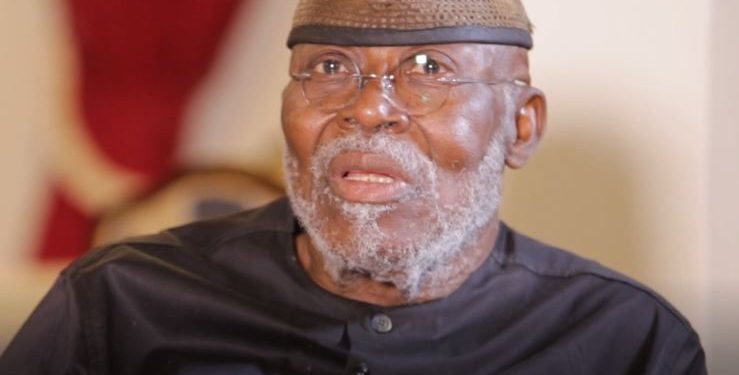
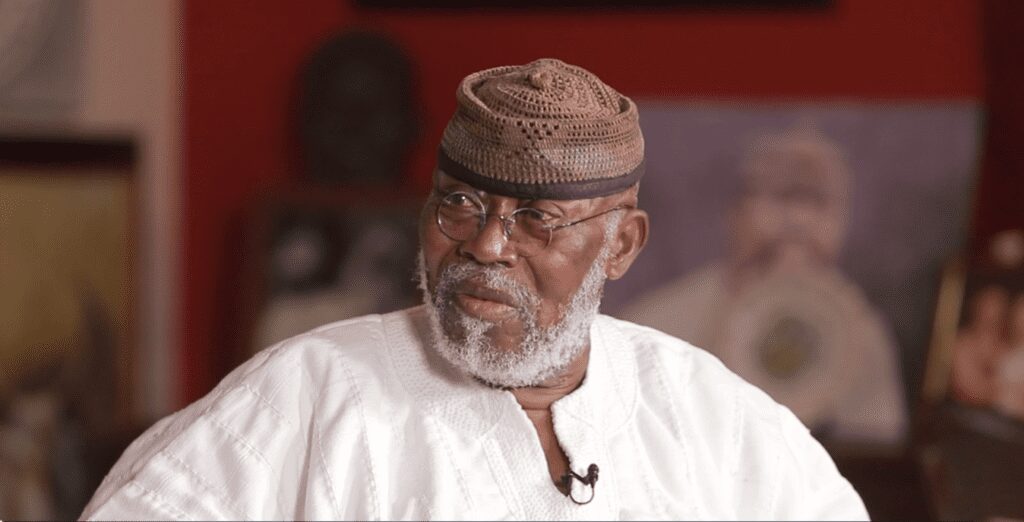
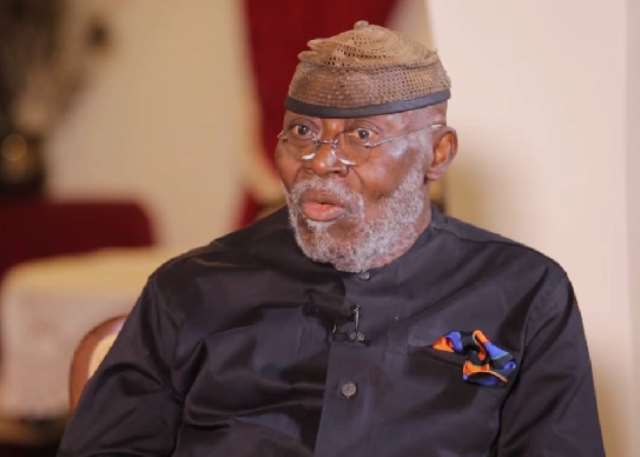
    Dr. Nyaho Nyaho-Tamakloe, a founding member of the New Patriotic Party (NPP), has issued a grave warning about the party’s future, declaring that the current national executives lack competence and are steering the party toward collapse.

    His stark assessment, shared amid ongoing party meetings ahead of the delegates conference, reflects growing unease within the NPP’s ranks following recent electoral losses and internal disunity.

    Dr. Nyaho-Tamakloe shared a blistering critique of the party’s leadership, drawing a connection between personal greed and institutional decay.

    “I have not been happy with the present national executives we have; they are not competent”

    Dr. Nyaho Nyaho-Tamakloe, Founding Member of the NPP
    NPP Logo

    His comments come at a time when the party’s National Executive Council is reportedly engaged in deliberations to address grievances raised by senior party figures, including former President John Agyekum Kufuor.

    According to Dr. Nyaho-Tamakloe, the party’s woes stem not only from poor leadership but also from misguided priorities and the erosion of founding values.

    “Politics is quite a different thing. I am a physician by profession, but I have an interest in politics. And in politics, if your first interest is to amass wealth, you destroy yourself and destroy the party”

    Dr. Nyaho Nyaho-Tamakloe, Founding Member of the NPP

    He traced this culture of self-enrichment at the expense of political integrity back to Ghana’s post-independence history. “We’ve seen this through the years. Right down from the time of Osagyefo Dr. Kwame Nkrumah, we’ve seen it,” he added, emphasizing that the problem is neither new nor isolated.

    Dr. Nyaho Nyaho-Tamakloe, Founding Member of the NPP

    The NPP, which currently holds a minority in Parliament following a resounding loss in the 2024 general election and the recent Ablekuma North rerun, is now under immense pressure to rethink its organizational strategy.

    However, Dr. Nyaho-Tamakloe believes that any attempt to press forward with the selection of a presidential candidate without rebuilding the party from the grassroots will result in disaster.

    “They’ll be in for a shock,” he warned. “The party will totally collapse. Mark my words.” His statement underscores the deep internal divisions and reflects a broader sentiment within sections of the party base that feel neglected and unheard.

    He emphasized that the party must be rebuilt from the ground up, starting with the selection of regional executives before moving to national contests.

    “That is not the right way to go about politics. In the end, everything you do in life, you start from the beginning. We have fallen flat, and we’ll have to start from the beginning”

    Dr. Nyaho Nyaho-Tamakloe, Founding Member of the NPP

    This perspective contradicts moves by some party leaders to prioritize a flagbearership race, reportedly to stabilize public perception and gain political traction ahead of the 2028 general elections. However, insiders say such efforts have only deepened cracks in the party, as various factions jostle for control and recognition.

    Dr. Nyaho Nyaho-Tamakloe, Founding Member of the NPP

    Dr. Nyaho-Tamakloe, known for his forthright positions, also expressed a sense of vindication, having long called attention to the festering issues within the NPP.

    “Oh, yeah. I agree very entirely,” he said when asked if the recent developments had confirmed his longstanding concerns. His repeated calls for reflection and institutional repair are gaining renewed attention, especially among grassroots members who feel increasingly alienated by the current leadership.

    The party’s recent electoral setbacks, including its defeat in what was once considered a stronghold, have heightened tensions. Analysts suggest that unless internal discontent is resolved and credible leadership is restored, the NPP could face further disintegration in the coming years.

    In a climate where political trust is increasingly fragile and party loyalty waning, Dr. Nyaho-Tamakloe’s voice adds urgency to the calls for reform. His warnings may yet resonate with the party’s broader base, but only if action follows rhetoric.