Tag: pollution

  • Greater Accra to Shine Once Again

    Greater Accra to Shine Once Again

    Greater Accra has over the years been a region plagued with notoriously uncanny and disheartening darkness to the chagrin of its residents. A situation that fuels countless complaints from motorists and pedestrians alike who suffer the life threatening disadvantages of the dark.

    Dark highways, streets, stations, and certain residential areas have been characteristic of the region and have left many to wonder if the root causes of this canker were impossible to tackle.

    Suffice to say the failure of the former administration to break ground on the matter until it left office cast a shadow of doubt on the possibility of Accra ever shining again.

    However, the new minister for the Greater Accra region, Hon. Linda Obenewaa Akweley Ocloo has assured the general public that 70 percent of, “if not all”, the streetlights in Accra will be fixed within the next 50 days of her tenure in office.

    Having assumed office recently, taking over from Hon. Titus Nii Glover, the Shai Osoduku Member of Parliament, in a press conference, outlined her plans for the region and its future and they seem to be resonating with the people.

    ‘”Within 50 days in office, all these things should be fixed. Not even all but we’ll make sure that at least 70 percent of it will be fixed”

    Hon. Linda Obenewaa Akweley Ocloo, Greater Accra Regional Minister

    To the residents of the region, the solution to this persistent problem was so simple the delay in making it manifest was mind boggling.

    Many have in recent times questioned political leaders’ nonchalant attitude in addressing the challenges confronting the region with some decrying the sheer lack of response on the part of leaders.

    The main concerns of Greater Accra’s poor lighting has been security and safety with regards to life and property at night.

    It’s no secret that many of the varied road accidents, armed robberies, petty theft, and killings among many other vices which not only cost the city and region lives and property but potential investors, are as a direct result of its poor lighting.

    This truth in the hearts and minds of every confused resident of the region and citizens of the country at large, would ensure great relief at the assurances of the new regional minister.

    Her determination to properly light up the region; to achieve 70 percent of this within 50 days’ time is not only welcoming but timely as it would bring great relief to everyone. The public is expected to receive this news with great rejoicing.

    A road in Accra without streetlight

    Hawkers, Floods & Pollutions

    That notwithstanding, the ills that bring Greater Accra to its knees go beyond the crippling darkness in several parts and extend to issues like illegal hawkers, streetism, poor sanitation and drainage issues which cause flooding whenever it rains, amongst many countless others.

    Within the same breath, Hon Linda Ocloo promised sustained radical law-backed efforts to drive away illegal street hawkers who take major parts of the roads and other unideal spots to market their wares.

    She hinted at joining hands with the task force of the Metropolitan, Municipal and District Assemblies (MMDA’s) and the security services to achieve results never before realized in this fight.

    Of the annual floods that Accra is prone to, she mentioned plans of liaising with the stakeholders of the 2019 launched Greater Accra Resilient and Integrated Development (GARID) project, to fast track the implementation of its plans to curb flooding, by specifically working on the drainage around the Odo river basin.

    She also charged the MMDAs to check inappropriate building practices by ensuring that people who come for permits are given proper guidelines to ensure they do not put up structures that worsen the flooding challenges of the region.

    If we’re able to do this, my dear trust me, flooding issues within Greater Accra, even Ghana as a whole would reduce”, she assured, asserting that the next rainy season would be different for the residents of Accra, all things considered.

    She further expressed her intention to meet the sanitation service providers in Accra to see how best an end can be brought to pollution in the region too, clearly another step towards restoring the Greater Accra region to its former self.

    Whether or not the promise of the new regional minister can be achieved remains to be seen.

    However, if her dedication to light up her constituency, Shai Osu-Doku, as evidenced in her annual donation of streetlights to its District Assembly are to go by, then Accra is truly only days away from regaining its shine, literally, and hopefully with it, everything it had lost to the darkness.

  • Whoever Wins the Election Must Declare a State of Emergency- Awula Serwaa

    Whoever Wins the Election Must Declare a State of Emergency- Awula Serwaa

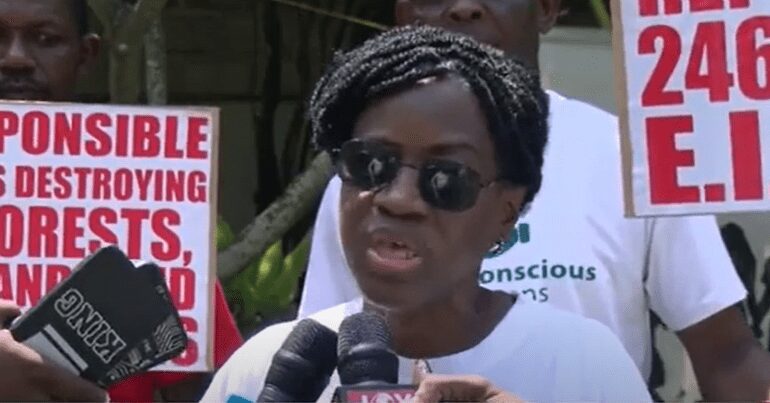
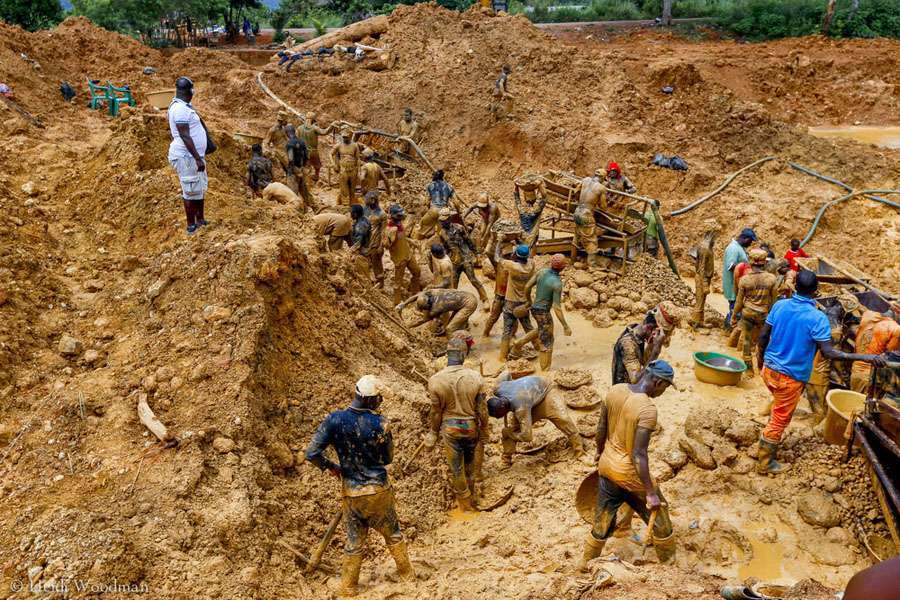
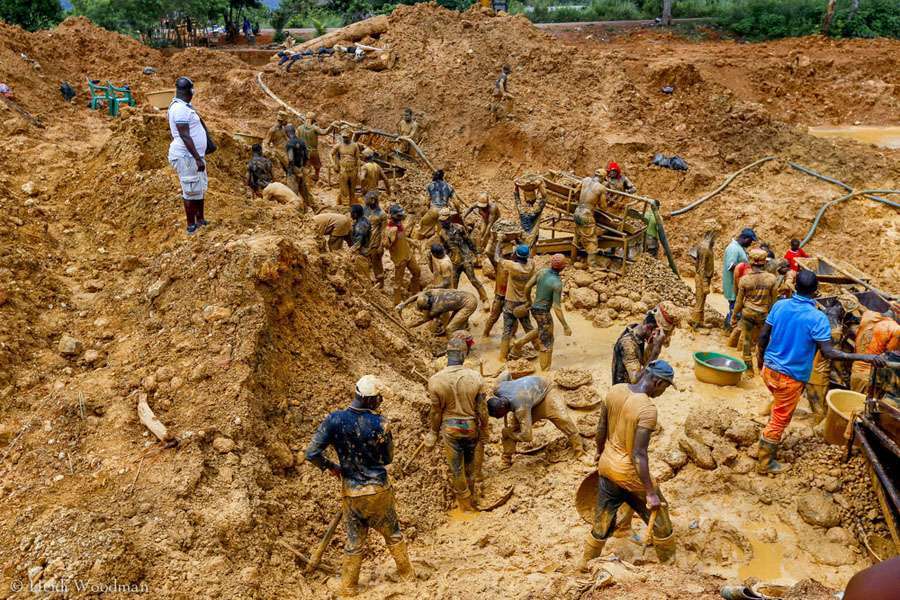
    Environmental activist and Coordinator of Eco-Conscious Citizens Madam Awula Serwaa, has passionately called on the Ghanaian public and political leaders to take decisive action against illegal mining, popularly known as “galamsey.”

    She highlighted the existential threat posed by illegal mining to the nation’s water bodies, forests, and public health.

    As the country inches closer to a crucial election, she underscored the urgency of implementing meaningful policies to address the crisis.

    Awula Serwaa emphasized that illegal mining is a grave threat to Ghana’s survival. He Emphasized;

    “Our politicians are telling us that you are being poisoned. Don’t worry. Keep on being poisoned. When we finish with the elections, we’ll see what we can do.”

    Madam Awula Serwaa Environmental activist and Coordinator of Eco-Conscious Citizens

    This apathy, she argued, is unacceptable, especially as the effects of pollution and environmental degradation are already being felt.

    Outlining key steps to address the crisis, Serwaa proposed. She noted;

    “Even with the big mining companies, we have just about 15 or so. We can’t even monitor them. How much more the thousands and thousands of community mining, small-scale mining—whatever you want to call it—it’s just not working.”

    Madam Awula Serwaa Environmental activist and Coordinator of Eco-Conscious Citizens

    Additionally, she called for the revocation of Legislative Instrument 2462, which permits mining in forest reserves and globally significant biodiversity areas. She described the legislation as; ”A very irresponsible piece of legislation.’’

    She also advocated for adopting the “polluter pays principle,” which would require individuals and companies guilty of polluting the environment to bear the cost of reclamation.

    The Role of Political Leadership

    Galamsey, Illegal Mining

    Madam Serwaa stressed the need for immediate action from the next government.

    “Whoever wins should commit to going straight to the forest reserves and removing all equipment or persons mining in our forest reserves and water bodies- right now, we are saying that whoever wins the election should immediately declare a state of emergency.

    It’s so wicked of our politicians to say you’re being poisoned. That’s okay, Let’s finish with the elections. If you’ve died, that’s okay. We might buy a coffin for you.”

    Madam Awula Serwaa Environmental activist and Coordinator of Eco-Conscious Citizens

    Awula Serwaa lamented the lack of public outrage over the issue, attributing it to insufficient awareness of the extent of the damage.

    She referenced a documentary, Poison for Gold, which Eco-Conscious Citizens recently screened. She recounted;

    “When we showed the first one at the Kwame Nkrumah Memorial Park, there was a stunned silence afterward. A lot of people said to me privately that they were not aware of the extent.”

    Madam Awula Serwaa Environmental activist and Coordinator of Eco-Conscious Citizens

    She urged Ghanaians to demand accountability from political leaders and, if necessary, take to the streets to force action.

    Awula Serwaa expressed disappointment in organized labor for failing to sustain pressure on the government. She recounted;

    “We’re badly let down by organized labor. They gave assurances of a general strike, which would have forced the government to act. But all of a sudden, they decided not to go ahead.”

    Madam Awula Serwaa Environmental activist and Coordinator of Eco-Conscious Citizens

    She also highlighted the complicity of state institutions in enabling illegal mining, citing instances where activists were targeted for speaking out;

    “The people poisoning us, killing us, can do what they like. But when it comes to the perpetrators, either those who beat up journalists or those who poison streams, they can carry on because it’s believed they are well connected.”

    Madam Awula Serwaa Environmental activist and Coordinator of Eco-Conscious Citizens

    The activist called for swift justice for journalists and citizens who risk their lives to expose the dangers of illegal mining.

    Referencing the case of a journalist who was beaten while covering illegal mining, she said; “These things happen in this country, and there’s no problem. Over time, there’s no responsibility for what is done.”

    Madam Serwaa also criticized the police for failing to act against illegal miners, recounting an incident where arrested miners were quickly released on bail and allowed to continue their activities.

    Madam Serwaa’s impassioned plea underscores the urgency of addressing illegal mining in Ghana.

    As the elections approach, she calls on political leaders, state institutions, and citizens to take a stand against environmental degradation.

    “If you are not going to stop the poisoning, we will either hit the streets or there’ll be a general strike. We are tired of being poisoned.”

    Madam Awula Serwaa Environmental activist and Coordinator of Eco-Conscious Citizens

    This is a rallying cry for all Ghanaians to demand accountability and ensure that the nation’s natural resources are preserved for future generations.

  • London’s Plan to Clean River Thames Faces Controversy

    London’s Plan to Clean River Thames Faces Controversy

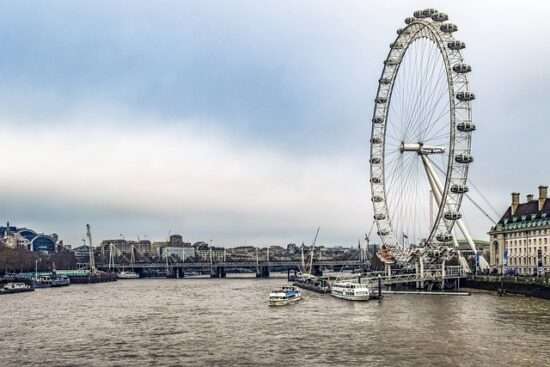
    Plans to make the River Thames swimmable have sparked confusion after London Mayor Sadiq Khan announced a 10-year strategy to clean up the river. 

    The initiative aims to reduce pollution and promote safe public swimming in areas such as Teddington in southwest London. However, a recent decision by the environment secretary, Steve Reed, has cast doubt on the success of these plans. 

    Reed’s approval of a controversial water recycling scheme by Thames Water is raising concerns, especially as it involves discharging treated sewage into the very spot targeted for cleanup.

    Thames Water’s proposal would allow 75 million liters of treated sewage to be pumped into the Thames daily at Teddington, a plan intended to manage water shortages during droughts. 

    This decision has alarmed environmental activists, swimmers, and local politicians, who argue that the project conflicts with efforts to restore the river’s ecosystem and make it safe for swimming.

    Conflicting Priorities

    Environmental campaigners are particularly worried about the effects of pumping treated sewage into the river, which could lead to increased water temperatures, alterations in salinity, and harmful consequences for fish and other wildlife. 

    They argue that these changes could be detrimental to biodiversity and the overall health of the river system. Despite these concerns, Reed gave the green light to the plan, which aims to replace the river water abstracted for drinking purposes during droughts with treated sewage.

    Marlene Lawrence, a member of the Teddington Bluetits, a local wild swimming group, expressed her disappointment. 

    “I welcome Sadiq Khan’s plans to make more wild swim spots safe for public use. However, I cannot see how Thames Water’s planned abstraction plan can be approved when it involves them pumping treated effluent full of chemicals back into the river to replace river water taken out in times of drought.”

    Marlene Lawrence

    Lawrence added that the river upstream of Teddington Lock is a popular spot for swimmers, kayakers, and families, making the decision to approve the treated sewage project even more perplexing. “The river would not be safe to swim in, and there could be devastating effects on river life,” she said.

    Concerns Over Water Quality

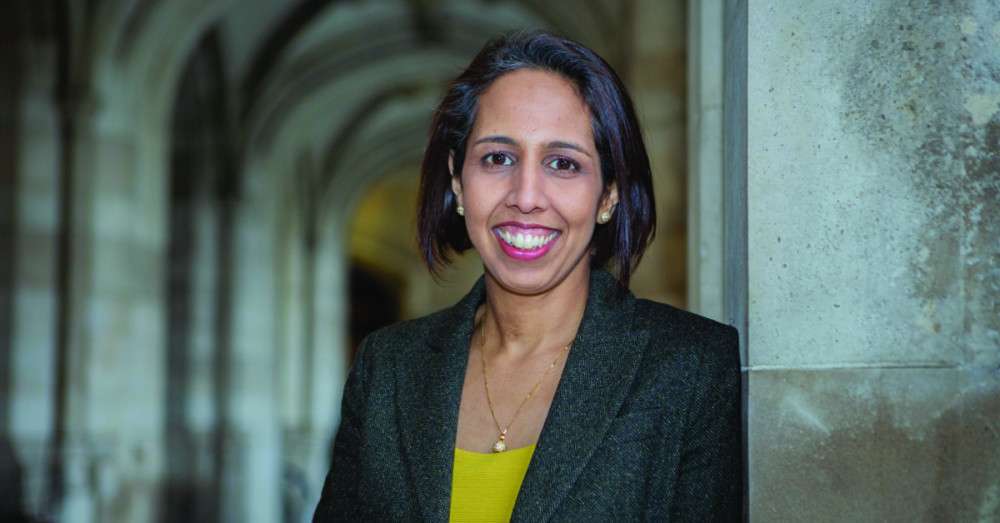
    Local MP for Twickenham, Munira Wilson, who has campaigned against the Thames Water project, shared similar concerns. 

    While she supports efforts to clean up the river, she questioned the mixed messaging from authorities. “I’m pleased to hear that Teddington has been identified as a priority area for cleanup because of high pollution levels, but I’m also surprised by the mixed messages,” she said.

    MP for Twickenham, Munira Wilson

    “Concerns about water quality are exactly why I and local campaigners are fighting Thames Water’s proposals to pump treated effluent into the river at Teddington. Yet the environment secretary recently gave the green light to the water resources management plan, which includes these proposals. Which is it? Teddington residents want answers from a minister who has promised to protect our precious river.”

    Munira Wilson

    Despite this pushback, Thames Water’s £250 million scheme is moving forward. In addition to the Teddington project, the plan includes a new reservoir in Oxfordshire as part of the company’s long-term water resource management efforts.

    Potential Environmental Impact

    Environmentalists are particularly concerned about the presence of so-called forever chemicals, such as per- and polyfluoroalkyl substances (PFAS), in the treated sewage set to be pumped into the river. 

    These chemicals, which do not break down easily, could pose long-term risks to water quality and the health of river ecosystems.

    The controversy surrounding Thames Water’s scheme is not new. In 2019, the Environment Agency rejected a similar proposal due to the projected environmental impact of releasing millions of liters of treated sewage into the river. 

    However, with water shortages looming, authorities now seem more inclined to consider drastic measures, despite the potential ecological costs.

    As the debate continues, residents and environmental groups are left questioning whether the River Thames can ever be both a clean, safe space for swimmers and a reliable source of drinking water during times of drought.

  • Nigeria Petroleum Regulator Approves Sale of Oil Assets

    Nigeria Petroleum Regulator Approves Sale of Oil Assets

    The Nigerian Upstream Petroleum Regulator Commission (NUPRC) has given the nod for selling two onshore petroleum assets owned by international companies.

    NUPRC gave the nod for deals on the trade of the two onshore assets owned by International Oil Companies (IOCs) to Oando and Project Odinmim to purchase these assets.

    Through the approved deal, Nigerian Agip Oil Company (NAOC) the local subsidiary of Eni will be able to sell their onshore assets to Oando. Project Odinmim a new entrant into the oil and gas market will also acquire assets through this deal.

    The sale of these two assets has been pending for months due to some delays in regulations that expect the IOCs to meet some standards before the sale can be approved. The deal has been delayed for months.

    The go-ahead for the deal to be signed was announced at an energy conference in Abuja by Engr. Gbenga Komolafe the Chief Executive of NUPRC. However, the specific date on which the deal will be signed has not been revealed by NUPRC.

    A major concern for IOCs leading to a decision to sell their assets is the situation of theft on the onshore fields and vandalism of assets.

    Some other international oil companies such as Shell and ExxonMobil are also in talks with local oil companies to sell their assets to them.

    ExxonMobil is in talks with Seplat, a Nigerian-owned oil company to sell their 1.3-billion-dollar asset to them. Shell is negotiating with Renaissance to sell its onshore assets to them.

    The onshore IOCs have been exiting their assets to move to offshore fields where issues relating to vandalism, theft, and pollution can be better managed. This will allow for more local participation in onshore crude oil production.   

    Eni’s Deal With Oando

    The decision by Eni to sell its Nigerian subsidiary NOAC was announced in September 2023. However, the deal could not go through as the Nigerian National Petroleum Company (NNPC), holding 60% shares, did not approve the deal.

    NNPC which holds the largest share, floated its rights of first refusal on the licenses. This led to a stall in the deal.

    In the announcement made in September by Eni, four onshore oil leases were to be sold to Oando under the agreement.

    Some reasons given for the delay in the approval of the deal by NNPC were the need for Eni’s NOAC to meet their obligations in terms of taking responsibility for spills and compensating communities affected by their activities.

    According to the Chief Operating Officer of Oando, Alex Irune, the news about the approval is a piece of welcoming news to the organization.

    Mr. Alex Irune also stated that out of the four onshore assets being sold, only two have been approved by the NUPRC. The other two onshore assets are on hold by the NUPRC.

    The deal between Eni and Oando is estimated to cost 500 million US Dollars, the total interest in four assets Eni is selling. The four licenses being sold by Eni are OMLs 60, 61, 62, and 63.

    Out of the four licenses being sold, NUPRC did not state the specific licenses that have been accepted to be sold. However, they have assured all stakeholders the deal will be completed in a few days and all important details will be announced.

    Nigerian oil production has been in a downturn in the past year with Nigerian oil companies producing below the capacity of 2 million barrels per day. The country is currently producing 1.502 million barrels of crude oil per day.

    This shows the country’s crude oil production has reduced by 4.49% from May 2024 output. To improve the country’s total crude oil output to the target of 1.7 million barrels per day, the NUPRC and the NNPC are putting in place policies that will help to meet this target.

    The nod to the Eni and Equinor deals will help the country achieve its goals as the new investors will inject new energy and resources into Nigeria’s onshore oil.

  • EPA Proposes New Limits On Greenhouse Gas Emissions

    EPA Proposes New Limits On Greenhouse Gas Emissions

    New limits on greenhouse gas emissions from coal and gas-fired power plants have been disclosed by the U.S Environmental Protection Agency.

    A rule, which was made public could force power plants to capture smokestack emissions using a technology that has long been promised but is not in widespread use in the U.S.

    EPA Administrator, Michael Regan stated during the announcement on Thursday, May 11, 2023, “This administration is committed to meeting the urgency of the climate crisis and taking the necessary actions required.″ The new rule will “significantly reduce greenhouse gas emissions from fossil fuel-fired power plants, protecting health and protecting our planet,″ he iterated.

    The plan would not only “improve air quality nationwide, but it will bring substantial health benefits to communities all across the country, especially our frontline communities … that have unjustly borne the burden of pollution for decades,″ Regan noted in the address at the University of Maryland.

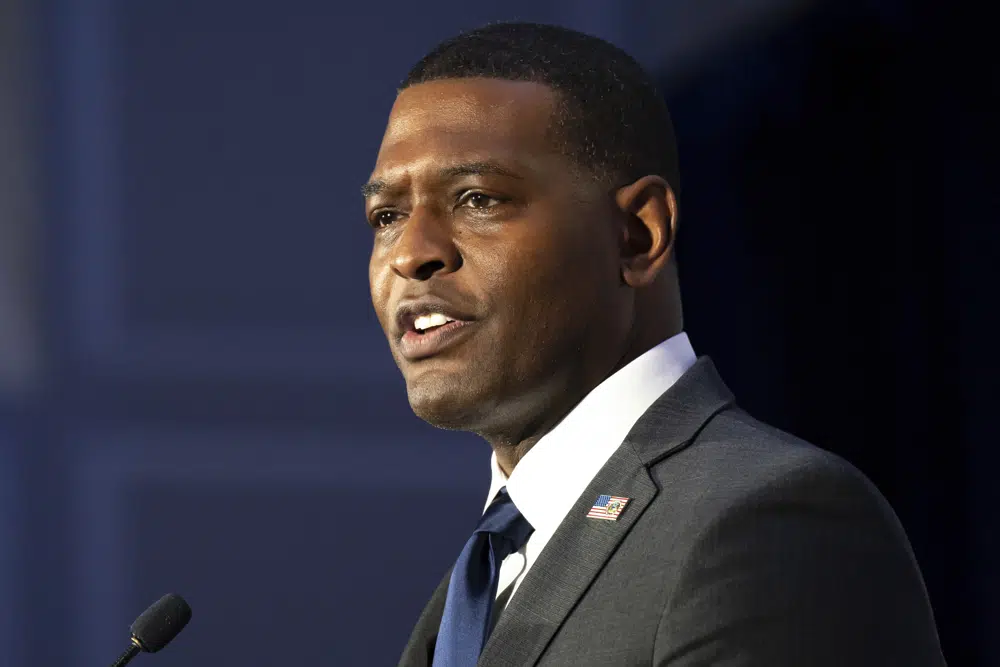
    Environmental Protection Agency Administrator, Michael Regan. 

    The projected regulation, if finalized, would mark the first time the federal government has restricted carbon dioxide emissions from existing power plants, which generate about 25% of U.S. greenhouse gas pollution, second only to the transportation sector.

    Also, the EPA announced that the rule would affect future electric plants and would avoid up to 617 million metric tons of carbon dioxide through 2042, equivalent to annual emissions of 137 million passenger vehicles.

    Almost all the coal plants, along with large, frequently used gas-fired power plants, would have to reduce or capture nearly all their carbon dioxide emissions by 2038, the EPA added. Plants that cannot meet the new standards would be forced to close.

    The EPA rule would not order the use of equipment to capture and store carbon emissions, an expensive technology and still being developed, but instead would set limits on carbon dioxide pollution that plant operators would have to meet.

    The power plant rule is one of at least six EPA rules that limit power plant emissions and wastewater treatment.

    Coal provides about 20% of U.S. electricity, down from about 45% in 2010. Natural gas provides about 40% of U.S. electricity. The remainder comes from nuclear energy and renewables such as wind, solar and hydropower.

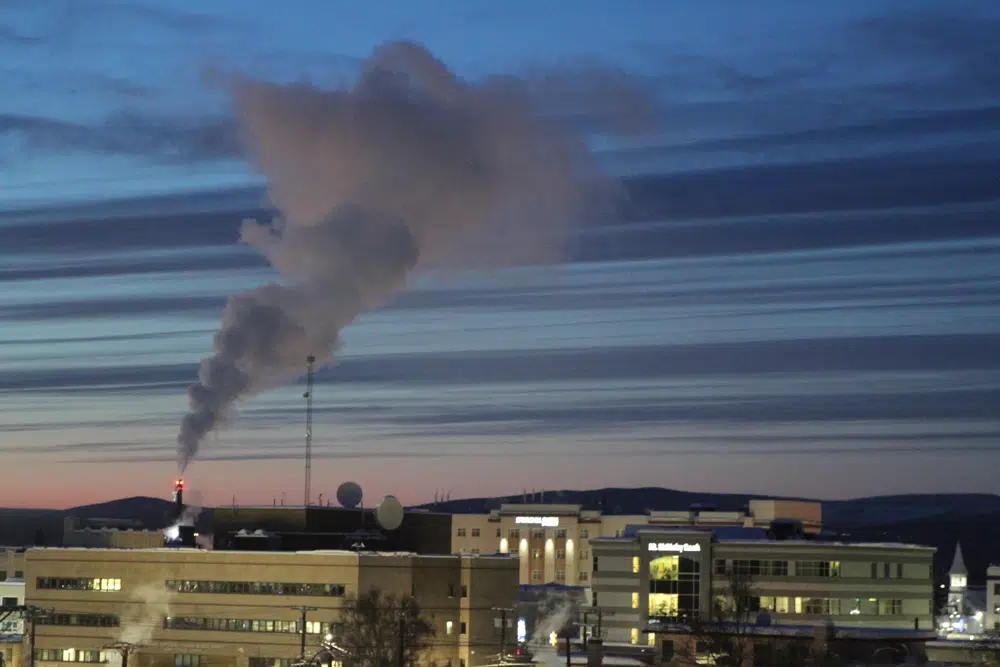
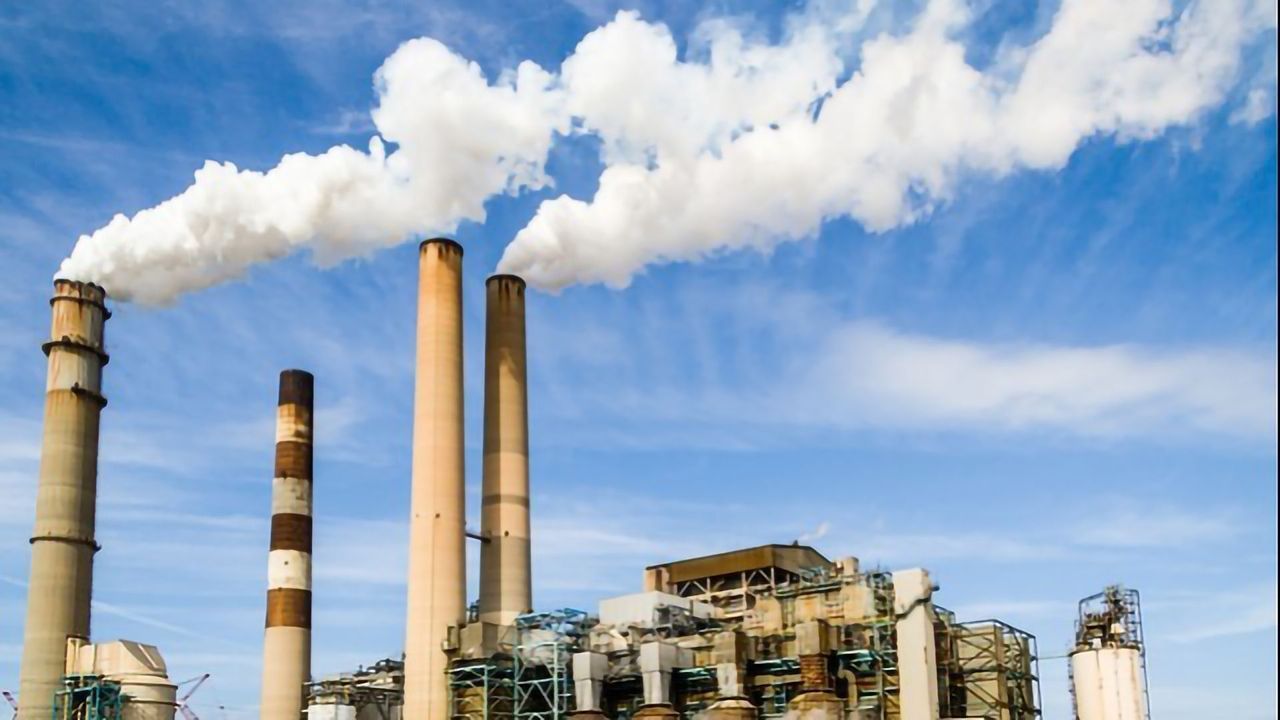
    A plume of smoke being emitted into the air from a power plant.

    Plan To Be Contested By Industry Groups

    The strategy is probable to be challenged by industry groups and Republican-leaning states, which have accused the Democratic administration of overreach on environmental regulations and warn of a pending reliability crisis for the electric grid.

    In an interview before the rule was announced, Rich Nolan, President and CEO of the National Mining Association, opined, “It’s truly an onslaught” of government regulation “designed to shut down the coal fleet prematurely.″

    Additionally, Tom Kuhn, President of the Edison Electric Institute, stated that the group will assess whether the EPA’s proposal aligns with its commitment to provide reliable, clean energy. Edison Electric Institute represents U.S. investor-owned electric companies.

    The new plan comes 14 years after the EPA pronounced that carbon dioxide and other greenhouse gases threatens public health. President Barack Obama tried to set limits on carbon pollution from U.S. power plants. However, his 2015 Clean Power Plan was restricted by the Supreme Court and later President Donald Trump rolled it back.

    Despite the fact that President Joe Biden has made the combat of global warming a top priority, he has faced sharp criticism from environmentalists, especially young climate activists, for a recent decision to approve the Willow oil project in Alaska. The enormous drilling plan by oil giant, ConocoPhillips could produce up to 180,000 barrels of oil a day on Alaska’s petroleum-rich North Slope. 

    READ ALSO: New FDA Policy Permits More Gay Men To Donate Blood

  • Government Takes Steps To Resolve Transboundary Water Pollution Caused By Illegal Mining

    Government Takes Steps To Resolve Transboundary Water Pollution Caused By Illegal Mining

    The Government of Ghana has taken steps to resolve transboundary issues on river pollution regarding the Tano and Bia rivers which also flows through Ivorian waters.

    To this end, the Ministries of Lands and Natural Resources, Sanitation and Water resources, Defence and Environment, Science, Technology, and Innovation have met a high-powered delegation from Cote D’ Ivoire, led by the Ivorian Minister for water and Forest, Hon. Laurent Tchagba.

    Ghana’s Minister for Lands and Natural Resources, Hon. Samuel A. Jinapor who co-chaired the meeting with the Sanitation and Water Resources Minister, Hon. Cecilia Abena Dapaah informed the Ivorian delegation that there has been a lot of challenges in protecting the country’s river bodies. However, they noted that government has not relented for once as the President of the Republic, Nana Addo Dankwa Akufo-Addo, keeps waging war against illegal miners in the country.

    Mr Jinapor, speaking on behalf of the Defence Minister, stated that the government has also adopted a two-pronged approach to fighting illegal Mining, popularly known as galamsey which is the main source of pollution of the country’s river bodies.

    The two-pronged approach which he mentioned to be law enforcement and reformation, has seen to the declaration of river bodies as redzones to mining and also authorizing the involvement of the Military on Operation Halt, an initiative geared towards ridding the rivers of illegal miners.

    The lands minister further stated that although illegal mining continues to pose a threat on the country’s river bodies, he is optimistic that out of the deliberations of the meeting, they will be able to come to a firm conclusion that will help resolve the issues of water pollution in both countries. He noted that he looks forward to working closely with all stakeholders to come to grips on the matter plaguing both countries.

    Addressing water pollution challenges

    The Sanitation and Water Resources Minister, Hon. Cecilia Abena Dapaah, on her part, noted that water is very central to the well-being of people around the world and not only Ghana and Cote D’ Ivoire, therefore it is pertinent to take up the Sustainable Development Goals (SDG) 6 which advocates for clean water and sanitation for all.

    She also expressed optimism that the bilateral meeting will help both countries take cognizance of the far-reaching effects of a waterless world and make concrete decisions that will help both countries and the world at large.

    The leader of the Ivorian Delegation and Minister for Water and Forests, Cote D’ Ivoire in his submission, expressed his gratitude for a warm reception from all participating Ministries. He noted that the issue of water is important in the history of both countries as it binds them in one way or the other and hoped that together they will be able to confer on issues and resolve the common challenge.

    Also at the Bilateral Meeting on the Ghana side were the Minister for Environment, Science, Technology and Innovation, Dr. Kwaku Afriyie, the Deputy Minister for Lands and Natural Resources, responsible for Lands and Forestry, Hon. Benito Owusu-Bio, CEOs of the Minerals Commission and Environmental Protection Agency, Mr. Martin Ayisi and Dr. Henry Kwabena Kokofu, respectively, the Managing Director of the Ghana Water Company, Dr. Clifford A. Braimah, the National Coordinator of the Boundary Commission, Major General Emmanuel Kotia and other officials from all Ministries present.

    On the Ivorian side, were the Ambassador of Cote D’ Ivoire to Ghana, H.E Bernard Ehui-Koutoua, Defence Security Technical Coordinator of the National Border Commission of Côte D’ Ivoire, Loua Deti Cesar and other officials.

    Government has over the years, made it a priority to address the impact of illegal mining on the country’s water bodies. It will be recalled that Minister for Defence, Hon Dominic Nitiwul, in the past, revealed that the fight against galamsey needed reinvigoration and Government has accordingly ramped up efforts to protect Ghana’s water bodies and forest reserves from the activities of small-scale miners.

    So far, the turbidity level of the Ankobra River has improved significantly and the Deputy Minister for Lands and Natural Resources responsible for Mines, Hon. George Mireku Duker has noted that the return of the Ankobra River and other waterbodies to their pure status is a reflection of the strides made by government’s fight against illegal mining.

    READ ALSO: GSS Denies Launching Recruitment Campaign For 2023 Census

  • Petroleum Consumers Pay Close to GHS1 Billion as Charges for Four Petroleum Levies in Q1 2022

    Petroleum Consumers Pay Close to GHS1 Billion as Charges for Four Petroleum Levies in Q1 2022

    Spurred by skyrocketing prices of petroleum products amid growing demand, levies on petroleum products are fast breaking previous year’s records as petroleum consumers pay GHS956.02 million on four levies charged on the petroleum price build-up in Q1 2022.

    Available data by the Bank of Ghana as part of the Central Bank’s Monetary Policy Report for May 2022, readily provided amounts for these four levies namely: Energy Debt Recovery Levy (EDRL), Price Stabilization and Recovery Levy (PSRL)- 16GP, Pollution and Sanitation Levy- 10GP and the Delta Fund- 20GP.

    The breakdown of the various levies is as follows: The EDRL generated GHS157.11 million; The PSRL generated GHS432.07 million; Pollution and Sanitation Levy accumulated GHS117.37 million and the Energy Sector Recovery Levy/ Delta Fund generated GHS249.47 million over the period.

    Taxes/Levies and Margins on Price Build-up

    Overall, there are eight (8) taxes/levies and five margins as charges on petroleum products. Apart from the four levies aforementioned, the remaining four levies include the energy fund, road fund levy- 48GP, Special Petroleum Tax (SPT)- 46GP and unified pricing petroleum fund. The five margins paid to the distributors are bulk oil storage and transportation, dealers (retailers/operators), fuel marking, marketers, and primary distribution.

    petroleum
    Fuel pumps

    Fuel prices now stand at more than GHS10 per litre, and under current market conditions, prices are likely to rise further. The general sentiment shared among petroleum consumers is the fact that the government could temporarily suspend taxes and levies on petroleum products in order to cushion consumers. A move which will significantly reduce the burden on consumers and help moderate the rising cost of living to a large extent.

    According to petroleum experts, some of the petroleum taxes and levies such as the sanitation and pollution levy, are nuisance taxes. Others indicate that the Special Petroleum Tax has outlived its intended purpose and hence should be scrapped.

    Moreover, the price stabilisation and recovery levy, was only scantily used for some three months and revoked by the government, thus not meeting the purposes for which it was intended. 

    Additionally, the country’s sole refinery, has remained non-functional for a longtime and though there have been a lot of assurances by the government to get the refinery running, this has not materialized.

    Global Market Conditions

    Considering the negative effects of the geopolitical tensions between Russia and the West and particularly, the worsening sanctions on Russian oil, prices of petroleum products are likely to continue to remain high.

    Currently, Brent crude sells at $122.8 per barrel while WTI crude sells at $121.2 per barrel. This is despite the fact that crude price dropped marginally by 0.26 per cent following China’s re-imposition of lockdowns in parts of Shanghai.

    petroleum
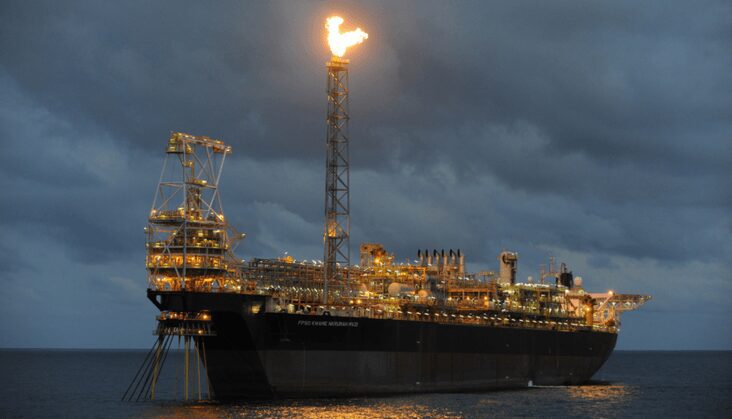
    Gas flames flaring up from an off shore oil vessel

    Speaking to the Vaultz News, on the EU ban of Russian Oil, Dr Yussif Sulemana, said:

    “The impact is always minimal on Russia’s side. As long as China and India will increase their oil imports from Russia, it’s going to nullify most of this that is coming from Europe. And because Russia is key to Europe’s energy security they can’t ban Russian oil 100%. They are targeting immediately about 70% of oil that is shipped but pipeline oil is still able to flow to Europe because some European nations will not be able to do away with Russia…

    “So the ban will come into effect and it will have some rippling impact. If we actually crystallize out the quantum of production in Russian exports to Europe and correspondingly Russia is not able to find an alternative buyer to fill that gap, the impact is going to be phenomenal. But as at now, what kind of impact we are seeing are… sentimental and speculative impact…”

    Dr Yussif Sulemana

    Since Russian oil is still being exported to the market, oil prices though high have not crossed $130 per barrel, “…otherwise, if Russian oil wasn’t going into the market, we should have been expecting $140 and $150 per barrel,” Dr Sulemana said.

    READ ALSO: Labour Demand Starts Q2 on a Faulty Note, Down by 1.0% in April 2022

  • Govt’s Galamsey Fight “Just for Showmanship”- Elizabeth Vaah

    Govt’s Galamsey Fight “Just for Showmanship”- Elizabeth Vaah

    Madam Elizabeth Allua Vaah, a Risk Manager at TD Bank in Canada, and Leader of the Ghana Environmental Advocacy Group, has described as mere showmanship, the government’s fight against galamsey.

    As though playing musical chairs, the government is still grappling with sustainably bringing under control, the decades-old bane of illegal and irresponsible mining , Madam Vaah alluded. This is despite the fact that the government has, in so far rolled out several measures to curb this menace.

    After nearly five years of embarking on a course correction to restore polluted and silted water bodies as well as degraded farm lands as a result of the activities of illegal mining, this canker continues, with several allegations of some ‘big men’ and government officials being the worst perpetrators of this ‘evil’.

    The Deputy Lands and Natural Resources Minister, Mireku Duker is cited to have said that despite the glaring issues, the government has actually stepped up its anti-galamsey drive with a series of key interventions, including: the procurement of Gold Katcha machines to prevent the usage of mercury by small scale miners; the establishment of a community mining scheme; and the reclamation, alternative livelihood, gold traceability and the establishment of a refinery are some of the interventions rolled out by the government.

    Individuals involved in galamsey activities

    Speaking to the Vaultz News, Madam Allua Vaah said that while she believes the government itself is to blame for the seeming re-appearance of galamsey after all these years, the communities within which glalamsey activities are recurring are also equally to blame. More importantly, the Environmental Advocacy Group was helping to sensitize the people of the dangers of galamsey, especially in the Western Region, she said.    

    “We continue to sensitize the chiefs and the people. We blame government for everything, but if you are a chief, if you are a citizen of a town and the only river that your people rely on is being destroyed by some people- whether government people are behind it or some faceless people in your community are behind it and you are also sitting aloof or [being involved in the act]; ask yourself, where is all this mercury going to? Eventually, there is going to be a lot of health impact from them.

    “We need the communities to also do that. They have to take control of their own destinies. Otherwise, they’ll have themselves to blame. So that’s where we are focusing our strengths on, because for the government, we’ve seen that whatever they are doing is just for showmanship…”

    Elizabeth Vaah
    Galamsey operators engaged in illegal mining activities

    Proposals for Government to Adopt

    Recounting the government’s fight against galamsey in its early years, Madam Allua Vaah, noted that her group, incorporated in Canada, submitted a proposal to the government, highlighting several measures the government could adopt to solve this menace, however, whether the government took those measures into consideration is in doubt, the environmental advocate said.

    The proposal outlined among other things: the need for the government to undertake massive public education campaign on the dangers of illegal mining, reclaim land areas severely damaged by galamsey, develop and train the youth for alternative livelihoods as a long-term strategy for redirecting and diversifying economic activity in rural areas.

    In addition to adopting the above measures, Madam Allua Vaah narrated a situation where people in a community stood up against galamseyers with the help of her group to prevent irresponsible mining activities in the area as a result of the community not having knowledge of such operations in the area.

    “They [the communities] have to know and… stand up for their own community and so long as they do that we will back them. We will give them all the support that we can give. And which is what we did when it came to Kwawblay (or Kwabre). The People stood up, their chiefs and everyone said we don’t want this here. They marched on those wayside galamseyers parading with government support as community mining people and drove them out.”

    Madam Allua Vaah

    A case in point is also cited by MP for Ellembele, Emmanuel Armah-Kofi Buah, involving Pekinpat Company Limited, a prospecting licensed company, which is alleged to have given instructions to a group of young men to undertake large-scale mining right in the heart of cocoa farms.

    These activities were ongoing at Ewereko, a predominantly cocoa growing community in the Ayinasi-North of the Ellembele District. In this instance, the Assembly member of the area, K. Bonzo is alleged to be in the known of the operations of these people, as well as the district assembly.

    It therefore behoves on the government to ensure that a lasting solution to the galamsey menace is found in order to avoid a crisis situation, as it is clear that galamsey is said to be ongoing in 14 out of 16 regions in Ghana. Likewise, the communities should also be equally involved in the fight against galamsey or irresponsible mining in their communities in order to protect their livelihoods and water bodies.

    READ ALSO: Fairtrade to Help Deliver Best Farming Practices for Cocoa Cooperatives in Ghana

  • Billions Of People Still Breathe Unhealthy Air, New WHO Data Show

    Billions Of People Still Breathe Unhealthy Air, New WHO Data Show

    Almost the entire global population (99%) breathes air that exceeds WHO air quality limits, and threatens their health, new WHO air quality database show.

     The WHO stated that a record number of over 6,000 cities in 117 countries are now monitoring air quality, but the people living in them are still breathing unhealthy levels of fine particulate matter and nitrogen dioxide, with people in low and middle-income countries suffering the highest exposures.

    The findings prompted the World Health Organization to highlight the importance of curbing fossil fuel use and taking other tangible steps to reduce air pollution levels.

    Dr Tedros Adhanom Ghebreyesus

    “Current energy concerns highlight the importance of speeding up the transition to cleaner, healthier energy systems. High fossil fuel prices, energy security, and the urgency of addressing the twin health challenges of air pollution and climate change, underscore the pressing need to move faster towards a world that is much less dependent on fossil fuels”.

    Dr Tedros Adhanom Ghebreyesus, WHO Director-General

    WHO’s air quality database

    Released in the lead-up to the World Health Day, the 2022 update of the World Health Organization’s air quality database introduces, for the first time, added measurements of annual mean concentrations of nitrogen dioxide (NO2), a common urban pollutant and precursor of particulate matter and ozone. It also includes measurements of particulate matter with diameters equal or smaller than 10 μm (PM10) or 2.5 μm (PM2.5). Both groups of pollutants originate mainly from human activities related to fossil fuel combustion.

    The new air quality database is considered the most extensive coverage of air pollution exposure on the ground. Some 2,000 more cities/human settlements are now recording ground monitoring data for particulate matter, PM10 and/or PM2.5, compared to the last update. This marks an almost 6-fold rise in reporting since the database was launched in 2011, the WHO stated.

    Meanwhile, the evidence base for the damage air pollution does to the human body has been growing rapidly and points to significant harm caused by even low levels of many air pollutants. WHO stated that particulate matter, especially PM2.5, is capable of penetrating deep into the lungs and entering the bloodstream, causing cardiovascular, cerebrovascular (stroke) and respiratory impacts. “There is emerging evidence that particulate matter impacts other organs and causes other diseases as well”, WHO warned.

    NO2 is associated with respiratory diseases, particularly asthma, leading to respiratory symptoms (such as coughing, wheezing or difficulty breathing), hospital admissions and visits to emergency rooms

    Higher income countries see lower particulate pollution

    In the 117 countries monitoring air quality, the air in 17% of cities in high-income countries fall below the WHO’s Air Quality Guidelines for PM2.5 or PM 10.  In low- and middle-income countries, air quality in less than 1% of the cities complies with WHO recommended thresholds.

    Globally, low- and middle-income countries still experience greater exposure to unhealthy levels of PM compared to the global average, but NO2 patterns are different, showing less difference between the high- and low- and middle-income countries, WHO stated.

    Air pollution

    About 4000 cities/human settlements in 74 countries collect NO2 data at ground level. Aggregated, their measurements show that only 23% of people in these places breathe annual average concentrations of NO2 that meet levels in the recently updated version of WHO’s Air Quality Guidelines.

    The evidence base for the harm caused by air pollution has been growing rapidly and points to significant harm caused by even low levels of many air pollutants. WHO, last year, revised its Air Quality Guidelines, making them more stringent in an effort to help countries better evaluate the healthiness of their own air. Based on the recent findings, WHO called for a rapid intensification of actions to adopt or revise and implement national air quality standards according to the latest WHO Air Quality Guidelines.

    READ ALSO: Turkey’s Inflation Hits 61.14% In March, A New 20-Year High

  • We have to look at the economics of Green Bonds- Mr. William Mensah

    We have to look at the economics of Green Bonds- Mr. William Mensah

    Mr. William Mensah, an Investment banker and non-Executive Director with Ecobank Capital has urged the government to capitalize on the economic benefits of green bonds.

    This he asserted in an interview with the Vaultz Media. He further said that the government should not focus solely on the environmental benefits of green bonds.

    Green bonds are fixed-income instruments with proceeds earmarked for new and existing projects that have environmental benefits. Currently, Ghana needs USD 22.6 billion to implement its Nationally Determined Contributions (NDCs).

    Simply put, NDCs are national plans highlighting climate change actions. This includes climate related targets, policies and measures governments aim to implement in response to climate change. Also, such NDCs seek to achieve the global target set out in the Paris Agreement.

    Mr. William Mensah discloses that there are a lot of people in Ghana who are trying to raise funds for green projects. However, such persons have to look for funding overseas because when they look internally no one seems to care about financing such projects.

    Furthermore, he hints that because Africa is not a major polluter in the global sphere, much attention has not been given to climate change. In an article, National Institute of Environmental Sciences reveals that Africa contributes the least of any continent to global warming. Each year, Africa produces an average of just over 1 metric ton of the greenhouse gas carbon dioxide per person.

    “If you think purely on the environment then it will be hard for you to make a case that Africa should… take climate change, seriously if when it comes to pollution we contribute next to nothing to the problem. 

    “We have to look at the economics of it [green bonds] and then the environment will be a bonus because… in the context of global pollution, Africa’s contribution…is negligible”.

    Mr. William Mensah
    Gov’t Must Stimulate the Economy Directly, Not Through an Intermediary- William Mensah
    Mr. William Mensah


    Reasons to Develop a Market for Green Bonds  

    Moreover, Mr. William Mensah mentions that the world is gradually moving to green. As such, it will not be prudent that Africa ignores green investments because it’s not a chief polluter.

    “However, we can’t think that way because the world is moving… What we are failing to realize is that because focus is changing to green, there is a lot of opportunities in there. 

    “Industries…are shifting… If you don’t react early before, you realize the whole world has moved.

    “So, we are not just doing it for the climate alone but it makes business sense for us to start focusing there. But, if we only think about it in terms of environment, we will miss it because we cannot make a strong case…we may not pick the right action.

    “There are a lot of opportunities in…green…now… We have to look at it purely from the economics point of view”.

    Mr. William Mensah

    For instance, he notes that the automobile industry is gradually shifting. Therefore, if there are green funds available, Ghana can capitalize on that to build the infrastructure to move into this shift. This, he posits, will be an economic decision not an environmental decision. 

    “We have brought Volkswagen to come and assemble internal combustion engines in Ghana…at a time where the automobile industry is moving to electric because of environmental factors.

     “So, if we are thinking opportunities …we will rather be partnering someone who will…do a rapid charging network across the country and start…assembling electric vehicles. 

    “But the decision you will be making will be an economic decision not…environmental… Environmental benefit will be an additional benefit that we will get out of it”.

    Mr. William Mensah

    READ ALSO: Ghana can Leverage on Green Bonds for Climate Financing