• About
  • Advertise
  • Privacy Policy
  • Contact
Saturday, August 15, 2026
  • Login
The Vaultz News
  • Top Stories
  • News
    • General News
    • Education
    • Health
    • Opinions
  • Economics
    • Economy
    • Finance
      • Banking
      • Insurance
      • Pension
    • Securities/Markets
  • Business
    • Agribusiness
    • Vaultz Business
    • Extractives/Energy
    • Real Estate
  • World
    • Africa
    • America
    • Europe
    • UK
    • USA
    • Asia
    • Around the Globe
  • Innovation
    • Technology
    • Wheels
  • Entertainment
  • 20MOBPL2DNew
  • Jobs & Scholarships
    • Job Vacancies
    • Scholarships
No Result
View All Result
The Vaultz News
  • Top Stories
  • News
    • General News
    • Education
    • Health
    • Opinions
  • Economics
    • Economy
    • Finance
      • Banking
      • Insurance
      • Pension
    • Securities/Markets
  • Business
    • Agribusiness
    • Vaultz Business
    • Extractives/Energy
    • Real Estate
  • World
    • Africa
    • America
    • Europe
    • UK
    • USA
    • Asia
    • Around the Globe
  • Innovation
    • Technology
    • Wheels
  • Entertainment
  • 20MOBPL2DNew
  • Jobs & Scholarships
    • Job Vacancies
    • Scholarships
No Result
View All Result
The Vaultz News
No Result
View All Result
in Uncategorized

Average Inflation in Sub-Saharan Africa Projected at 10.6 Percent in 2020 – IMF

Maynard Championby Maynard Champion
October 29, 2020
Reading Time: 3 mins read
Add as Preferred on Google

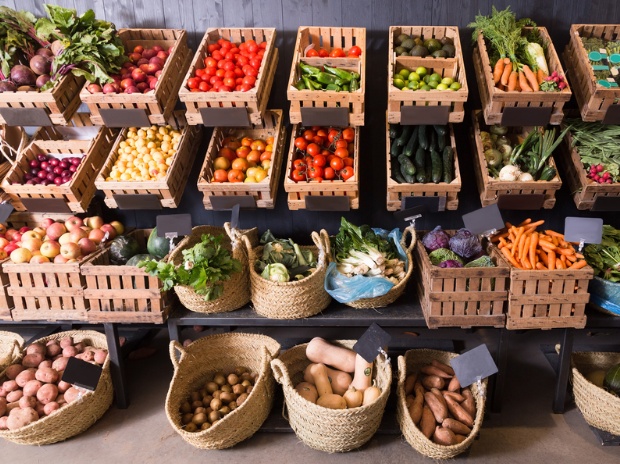
Average price levels in sub-Saharan Africa are expected to rise from 8.5 percent in 2019 to 10.6 percent in 2020, mostly reflecting higher food prices and the impact of depreciation.

According to the October edition of the regional outlook for Sub-Saharan Africa, average prices are expected to see a sharp rise in 2020 having declined from a double-digit peak in 2017.

The IMF stated in the regional outlook that the COVID-19-related disruptions to local and imported food supplies and depreciation pressures have pushed up prices for key food items in many countries, with a dramatic worsening in food insecurity in countries such as Angola, Burkina Faso, Central African Republic, Ethiopia, and Nigeria.

The IMF however noted that the reasons behind food-inflation pressures vary from country to country. In East Africa for instance, a key driver of acute food insecurity remains the desert locust upsurge, where local rains and preventative measures have helped keep this threat relatively contained for now.
ADVERTISEMENT

1484058454 3943

A recent forecast by the IMF shows that the regional economy will contract by 3.0 percent in 2020, almost 7 percentage points below IMF forecasts from only 12 months ago. The largest impact on growth has been on tourism-dependent economies, such as Mauritius and Seychelles, both down by about 17 percentage points compared with the October 2019 Regional Economic Outlook.

The Fund further pointed out that oil-exporting countries have also been hit hard, with an average contraction in 2020 projected at 4.0 percent, while non-oil commodity exporters are expected to contract by 4.6 percent.

The IMF expects growth in more diversified economies such as Côte d’Ivoire and Rwanda to slow significantly but still with positive growth in 2020.

The recent outlook projects a gradual recovery in 2021 for sub-Saharan Africa.  Regional growth next year is forecast at 3.1 percent.

ADVERTISEMENT

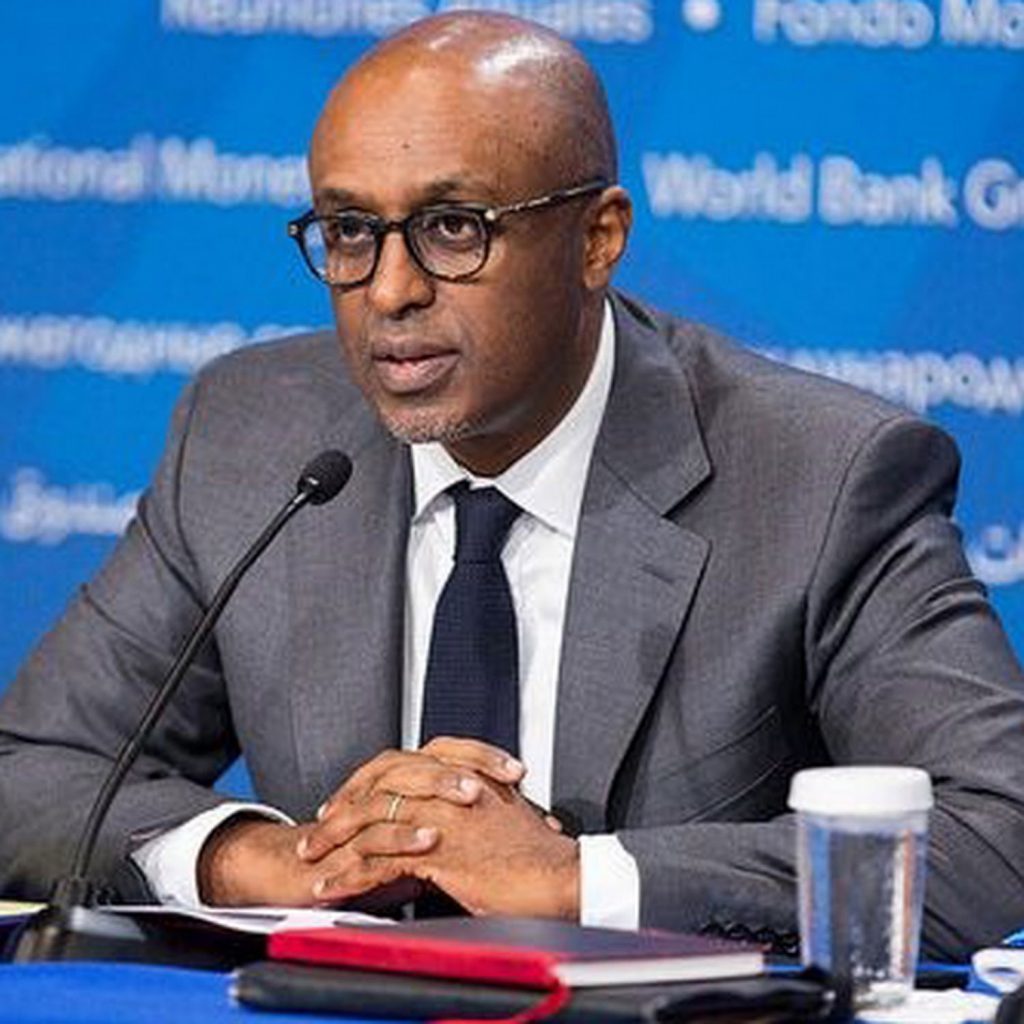
“This is a smaller expansion than expected in much of the rest of the world, partly reflecting limited policy space to sustain a more expansionary fiscal stance in most countries”.
Sub Saharan Africa economy 1
Abebe Aemro Selassie – Director of the African Department at the IMF

Key drivers of next year’s growth, according to the IMF, will include an improvement in exports and commodity prices as the world economy recovers, along with a pickup in both private consumption and investment—the former reflecting the continued relaxation of lockdown constraints and the latter supported by a return of FDI.

The baseline projection assumes that for most countries, some (mandatory or voluntary) social distancing will continue into 2021 but will then fade away by the end of 2022 as vaccine coverage expands and therapies improve, and local transmission is reduced to low levels.

The Fund stated further that, the forecast hinges on a significant pickup in external financing over 2020–23. The region as a whole is not expected to return to 2019 levels until 2022.

ADVERTISEMENT

The IMF pointed out that even though no country is spared by the deleterious effect of the pandemic, bigger economies in the sub-region are expected to suffer the most, and recovery will take up to 3 to 4 years.

“In some of the region’s largest economies; Angola, Nigeria, and South Africa, real GDP will not return to pre-crisis levels until 2023 or 2024”.


ADVERTISEMENT

Sign Up to Our Newsletter

Fresh updates, Straight to your inbox

Please login to join discussion
Previous Post

APC To Build National Database Different From The NIA- Hassan Ayariga

Next Post

Tanzania’s main opposition to reject election results

Related Posts

Former Vice President Dr Mahamudu Bawumia
Opinions

Dr. Bawumia – Faith, Politics, and Running for President

August 15, 2026
NPP Top 3 Regional Chairman elected
General News

Okoe-Boye, COKA, Jeff Konadu, Others Win NPP Regional Chairmanship

August 15, 2026
Franklin Cudjoe, Founding President of IMANI Centre for Policy and Education
General News

Conclude Public Funds Theft Trial Within Two Months, IMANI Boss

August 15, 2026
Ghana’s Economy Shifts from Inflation-led to Consumer-led Growth
Economy

Ghana’s Economy Shifts from Inflation-led to Consumer-led Growth

August 15, 2026
ADVERTISEMENT

Sign Up to Our Newsletter

Fresh updates, Straight to your inbox

ADVERTISEMENT

Recent News

Former Vice President Dr Mahamudu Bawumia

Dr. Bawumia – Faith, Politics, and Running for President

August 15, 2026
NPP Top 3 Regional Chairman elected

Okoe-Boye, COKA, Jeff Konadu, Others Win NPP Regional Chairmanship

August 15, 2026
Franklin Cudjoe, Founding President of IMANI Centre for Policy and Education

Conclude Public Funds Theft Trial Within Two Months, IMANI Boss

August 15, 2026
Ghana’s Economy Shifts from Inflation-led to Consumer-led Growth

Ghana’s Economy Shifts from Inflation-led to Consumer-led Growth

August 15, 2026
Foreign Affairs Minister Samuel Okudzeto Ablakwa addresses management and staff during his working visit to the Passport Head Office in Accra. Photo: Ministry of Foreign Affairs

Ablakwa Announces Passport Staff Bonus as GSS Data Shows Lower Bribery

August 15, 2026
ADVERTISEMENT
Next Post

Tanzania's main opposition to reject election results

The Vaultz News

Copyright © 2025 The Vaultz News. All rights reserved.

Navigate Site

  • About
  • Advertise
  • Privacy Policy
  • Contact

Follow Us

Welcome Back!

Login to your account below

Forgotten Password?

Retrieve your password

Please enter your username or email address to reset your password.

Log In
No Result
View All Result
  • Top Stories
  • News
    • General News
    • Education
    • Health
    • Opinions
  • Economics
    • Economy
    • Finance
      • Banking
      • Insurance
      • Pension
    • Securities/Markets
  • Business
    • Agribusiness
    • Vaultz Business
    • Extractives/Energy
    • Real Estate
  • World
    • Africa
    • America
    • Europe
    • UK
    • USA
    • Asia
    • Around the Globe
  • Innovation
    • Technology
    • Wheels
  • Entertainment
  • 20MOBPL2D
  • Jobs & Scholarships
    • Job Vacancies
    • Scholarships

Copyright © 2025 The Vaultz News. All rights reserved.

This website uses cookies. By continuing to use this website you are giving consent to cookies being used. Visit our Privacy and Cookie Policy.