Levels of moderate to severe hunger rose by 6.4 percentage points during the closure of the Artisanal and Inshore Sector in 2019, impacting an estimated 2,560 households.
This is according to the Sustainable Fisheries Management Project (SFMP) Annual Progress Report that spans the period of October 1, 2019, to September 30, 2020.
Women mostly experienced the brunt of the closure across the various localities. According to the report, the dietary diversity of women of reproductive age was significantly reduced during the closure. An estimated 2500 additional women experienced lower dietary diversity during the closure.
The diets of women showed a significant reduction in the composition of meat and fresh fish, fruits and vegetables, nuts and legumes, as well as milk products, most likely due to reduced income during the closure.
The report says all these impacts were temporary and were nullified after the closure as hunger and dietary conditions returned to levels prevalent before the closure.
The socio-economic assessment report indicates high compliance by fishermen with the 2019 closure and demonstrates a strong commitment by fisher folks to apply this management approach despite significant sacrifices, mainly loss in income during closures.
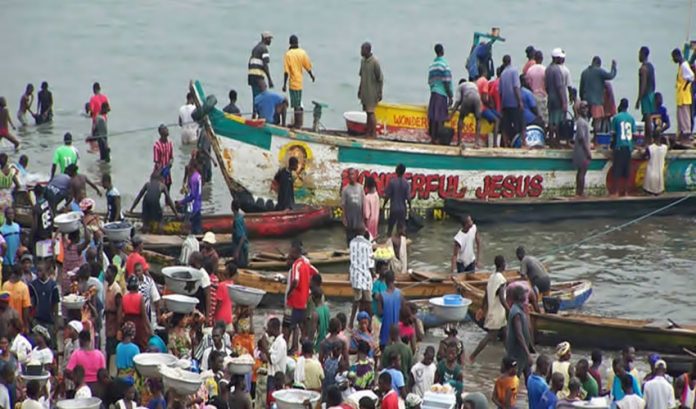
Most fisher folks understand the purpose of such closures and attitudes are moving towards adjusting the timing to within a period informed by science. The closure essentially removed fishing effort from the system for a period. The reduction in the fishing effort was associated with a decrease in fish yields commensurate with the reduction in effort.
This reduction in effort resulted in temporary loss of household income and livelihoods for canoe fishing households during the closed season. Similarly, temporary adverse socioeconomic effects were observed among fish processors and other related businesses (transport, sales of nets, fuel and ice block, etc.).
Some of the temporary adverse effects reported by focus group participants included an increase in fish prices; reduced availability of fish in the diet; reduction in social activities; the inability of parents to care for children; and a perceived increase in poverty and negative nutritional impact.
The fishers acknowledged the need to protect spawning fish stocks to improve the small pelagic fisheries such as sardinellas, mackerels, and anchovies.
The report pointed out that during the Central Regional engagements, the Executive Director of the Fisheries Commission, Mr. Michael Arthur Dadzie, declared that there would be no closed season for the artisanal sector in 2020 due to the COVID-19 pandemic.
Following from the socioeconomic assessment of the program, the partners recommended the need to regularize the annual calendar/period for fisheries closed seasons to remove uncertainty and empower stakeholders to plan to develop coping strategies to alleviate potential adverse socioeconomic impacts and take advantage of emerging opportunities.
The government is also encouraged to put in place appropriate measures to mitigate the temporary loss of livelihoods and income during the closures. This, the authors said can be done by increasing investment in technical and vocational skills training targeting youth in fishing communities and supporting alternative and diversified livelihoods such as soap making, aquaculture, and other forms of agriculture-related businesses (e.g. poultry, snail farming, and fish farming).
The report further admonished the government to allocate an adequate budget to implement appropriate social protection schemes for fisher-folk during closed seasons in the stock rebuilding period to address adverse nutritional impacts associated with fisheries closures.
The report also calls for improved communications with stakeholders about future closed seasons. Specifically, it recommended educational programs to facilitate participatory decision making by all key stakeholders.
The Sustainable Fisheries Management Project was sponsored by the Coastal Resources Center, the University of Rhode Island in collaboration with the Ministry of Fisheries and Aquaculture Development Fisheries Commission. The survey was conducted in the coastal areas of four regions; Central, Western, Greater Accra, and Volta between October 1, 2019, and September 30, 2020.
The Ministry of Fisheries and Aquaculture Development (MOFAD) and the Fisheries Commission (FC) in consultation with key industry stakeholders declared the period from 15th May to 15th June 2019 as fishing closed season for artisanal and inshore fleets. The closed season is under sections 76(3) and 84 of the Fisheries Act, 2002 (Act 625) to reduce the excessive pressure and over-exploitation of fish stocks in Ghana’s marine waters.
According to scientific research, one fish can lay over 25,000 eggs during the spawning seasons, and, therefore, if the fishes are left for that period, stocks will increase substantially.
The season closure was initially scheduled for August 2018 but was later postponed to 2019 due to ill preparation on the part of fishers.