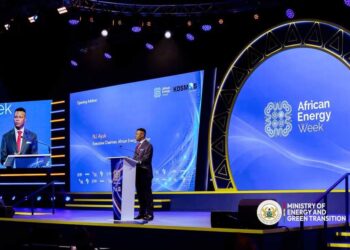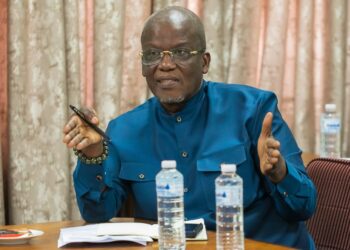

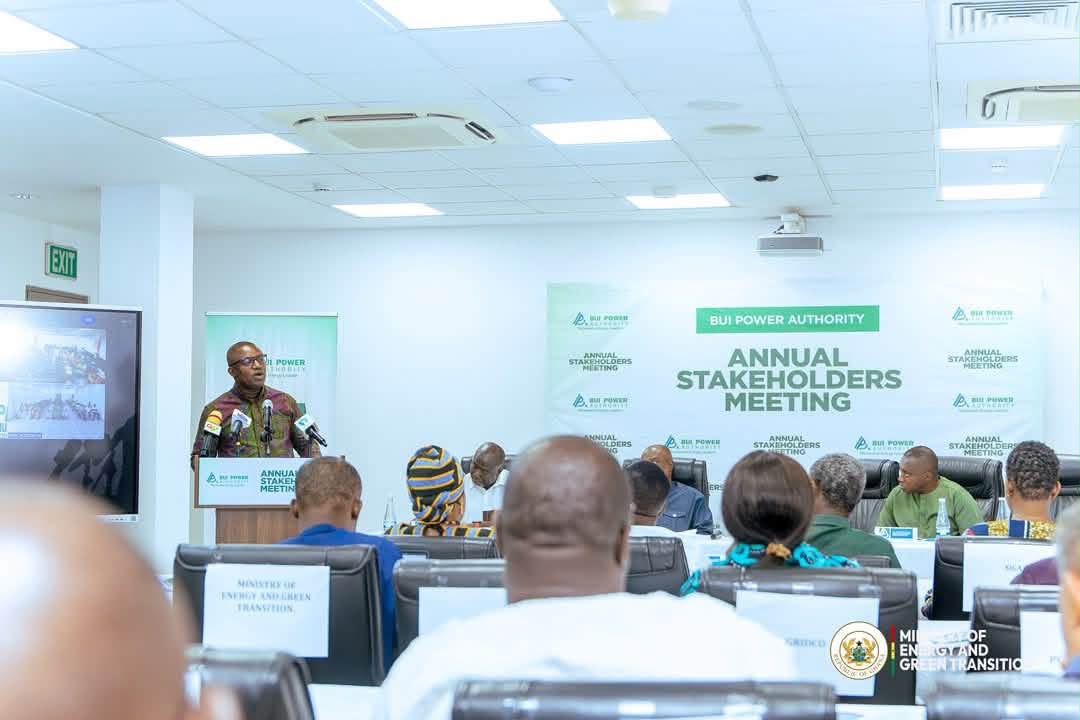
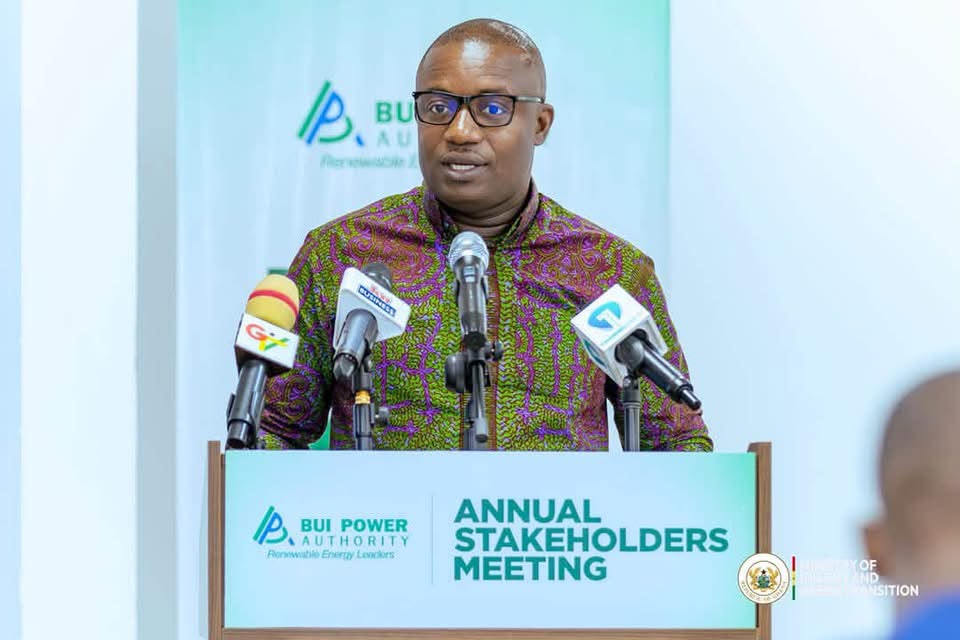
Ghana’s Energy and Green Transition Minister, Dr. John Abdulai Jinapor, has used the annual stakeholders meeting of the Bui Power Authority (BPA) to reinforce government’s commitment to accelerating renewable energy investment while tightening financial discipline across the power sector.
In remarks shared on his official Facebook page, the Minister said the meeting provided an opportunity to review BPA’s operational performance and align the authority’s future plans with Ghana’s broader energy-transition agenda.
The statement places Bui at the centre of government’s strategy to build a resilient, sustainable and low-carbon electricity system at a time when Ghana is seeking to reduce emissions, strengthen grid reliability and expand clean-energy generation.
BPA’s outstanding performance in 2025 demonstrates the immense potential of Ghana’s renewable energy future.
Energy and Green Transition Minister, Dr. John Abdulai Jinapor
The Minister highlighted a series of achievements by the authority, including exceeding its clean-energy generation target, expanding solar capacity, commissioning battery energy storage systems, recording strong financial results and maintaining a strong safety record.
Bui emerges as a key transition asset
The emphasis on solar expansion and battery storage is particularly significant because it signals a shift in how Bui is being positioned within Ghana’s power system.
Originally known primarily for hydroelectric generation, the authority is increasingly evolving into a multi-technology renewable energy platform combining hydro, solar and energy-storage infrastructure.
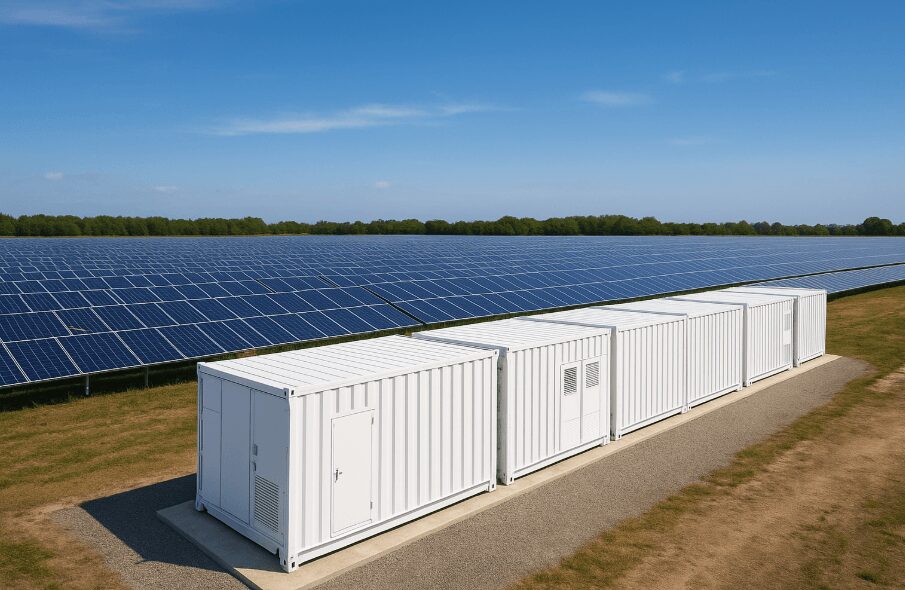
Analysts say the integration of battery storage is becoming especially important as Ghana gradually adds more variable renewable generation to the national grid.
Storage can help smooth fluctuations in solar output, improve system stability and reduce pressure on thermal generation during peak demand periods.
The Minister’s comments suggest that government sees Bui not only as a generation company but also as a test case for the next phase of Ghana’s renewable-energy development.
Renewable target remains in focus
Dr. Jinapor reaffirmed government’s commitment to achieving at least 10 percent renewable-energy penetration by 2030, describing the target as part of a wider effort to accelerate clean-energy development.
He said government would continue to provide the policy, regulatory and investment support required to expand renewable generation and strengthen electricity infrastructure.
Government remains committed to providing the policy, regulatory and investment support needed to accelerate clean energy development and strengthen the electricity grid.
Energy and Green Transition Minister, Dr. John Abdulai Jinapor
The statement is notable because it links renewable expansion directly to grid investment, an area often identified as one of the main constraints on integrating additional clean energy into Ghana’s power system.
Financial sustainability takes centre stage
While the message focused heavily on renewables, the Minister also placed unusual emphasis on the financial condition of the electricity sector.
He argued that renewable expansion must be accompanied by improved revenue collection, prudent financial management and stronger payment discipline across the energy value chain.
The reference is important because it connects Ghana’s clean-energy ambitions to the ongoing financial challenges facing utilities and other power-sector institutions.

Recent debates around ECG’s losses, payment arrears, energy-sector debt and government support mechanisms have highlighted the difficulty of financing new infrastructure while maintaining sector liquidity.
The Minister’s remarks therefore suggest that government is increasingly treating financial sustainability as a prerequisite for the energy transition rather than a separate issue.
A broader policy signal
The statement also reflects a broader evolution in Ghana’s energy policy.
For several years, discussions around renewable energy were often framed mainly in environmental terms.
The current approach appears to place equal weight on energy security, grid resilience and commercial sustainability.
This is a significant shift because it acknowledges that low-carbon power systems must also be financially viable and capable of supporting industrial growth.
The combination of hydro, solar and storage at Bui is increasingly being viewed as a model that could complement Ghana’s thermal and natural-gas-based generation rather than replace it immediately.
Recognition for BPA leadership
Dr. Jinapor commended the Board, management and staff of the Bui Power Authority for what he described as their dedication and commitment.
The recognition comes as BPA continues to play an expanding role in Ghana’s renewable-energy portfolio and electricity planning.
The authority’s recent investments in solar and storage infrastructure have drawn attention within the sector as Ghana explores ways to diversify generation sources and reduce exposure to fuel-price volatility.
What the meeting reveals
Beyond the formal commendation, the Minister’s message reveals three important policy priorities.
First, government intends to accelerate renewable deployment rather than slow it.
Second, it recognises that grid infrastructure and storage are becoming increasingly important as renewable capacity grows.
Third, it is signalling that revenue recovery and payment discipline will remain central to maintaining investor confidence and financing future energy projects.
The deeper implication is that Ghana’s transition strategy is moving toward a more integrated framework in which clean energy, grid modernization and financial reform are being treated as interconnected pillars of the same agenda.
If that approach is sustained, Bui’s recent performance may be remembered not only as a successful operational year for one utility, but as an early indicator of how Ghana intends to balance decarbonisation, electricity reliability and economic sustainability in the next phase of its energy transition.