A joint report released by the WHO and UNICEF on 14th December 2020, shows that about 1.8 billion people are at heightened risk of COVID-19 and other diseases because they use or work in health care facilities without basic water services.
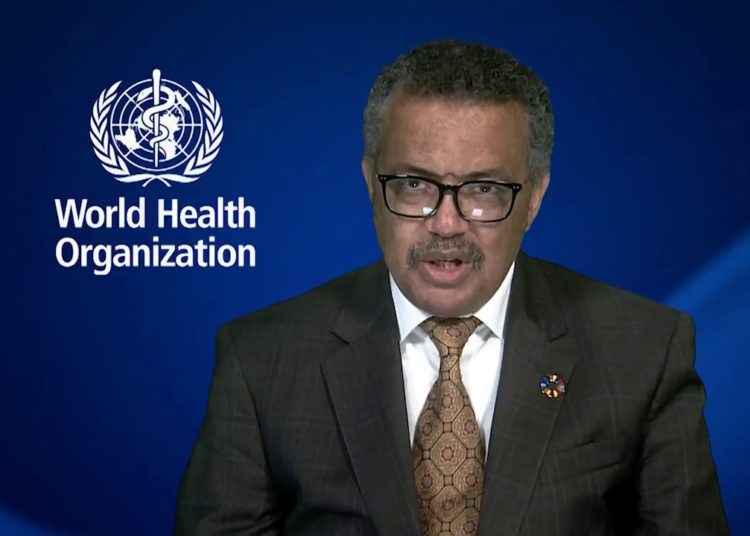
“Working in a health care facility without water, sanitation and hygiene are akin to sending nurses and doctors to work without personal protective equipment. Water supply, sanitation, and hygiene in health care facilities are fundamental to stopping COVID-19. But there are still major gaps to overcome, particularly in the least developed countries”, said Dr. Tedros Adhanom Ghebreyesus, WHO Director-General.
The report, Fundamentals first: Universal water, sanitation, and hygiene services in health care facilities for safe, quality care, comes as COVID-19 is exposing key vulnerabilities within health systems, including inadequate infection prevention and control.
Water, sanitation, and hygiene (WASH) are vital to the safety of health workers and patients yet the provision of these services is not prioritized. Worldwide, 1 in 4 health care facilities has no water services, 1 in 3 does not have access to hand hygiene where care is provided, 1 in 10 has no sanitation services, and 1 in 3 does not segregate waste safely.
“Sending healthcare workers and people in need of treatment to facilities without clean water, safe toilets or even soap puts their lives at risk. This was certainly true before the COVID-19 pandemic, but this year has made these disparities impossible to ignore.
“As we reimagine and shape a post-COVID world, making sure we are sending children and mothers to places of care equipped with adequate water, sanitation and hygiene services is not merely something we can and should do. It is an absolute must”, said UNICEF Executive Director Henrietta Fore.
The situation is worst of all in the world’s 47 Least Developed Countries (LDCs): 1 in 2 health care facilities does not have basic drinking water, 1 in 4 health care facilities has no hand hygiene facilities at points of care; and 3 in 5 lack basic sanitation services.
The report’s preliminary estimates indicate that it would cost roughly USD 1 per capita to enable all 47 LDCs to establish basic water service in health facilities. On average, USD 0.20 per capita is needed each year to operate and maintain services.
According to the report, immediate, incremental investments in WASH have big returns: improving hygiene in health care facilities is a “best buy” for tackling antimicrobial resistance. It reduces health care costs because it reduces health-care-associated infections (which are costly to treat). It saves time as health workers do not have to search for water for hand hygiene. Better hygiene also increases the uptake of services. This all adds up to a return of USD 1.5 for every dollar invested.
These services are especially critical for vulnerable populations, including pregnant mothers, new-borns, and children. Improving WASH services in health care facilities is particularly important around childbirth when far too many mothers and new-borns suffer and die, including from preventable conditions like sepsis. Better WASH services could save a million pregnant women and new-borns lives and reduce still-births.
The report provides four main recommendations: Implement costed national roadmaps with appropriate financing; Monitor and regularly review progress in improving WASH services, practices, and the enabling environment; Develop capacities of the health workforce to sustain WASH services and promote and practice good hygiene; and Integrate WASH into regular health sector planning, budgeting, and programming, including COVID-19 response and recovery efforts to deliver quality services.
Global WASH and health partners have shown their support for meeting global and country WASH in health care facility targets. By 2020, over 130 partners have committed resources, of which 34 have made dedicated financial commitments totaling USD125 million.
Nevertheless, the implementation of the 2019 World Health Assembly Resolution on WASH in health care facilities is uneven. Of the nearly 50 countries for which WHO and UNICEF have data, 86 percent have updated standards and 70 percent have conducted initial assessments which show that these areas are generally on track. Yet just a third of countries have costed national WASH in health care facility roadmaps and only 10 percent have included WASH indicators in national health systems monitoring.
More catalytic global funding, technical support, and domestic resourcing are needed to keep health care workers and patients safe and protected. Now, an opportunity exists to build on existing efforts and commitments and integrate WASH in health care facilities in all national COVID-19 plans, vaccine distribution, and economic recovery packages.
“For millions of healthcare workers across the world, water is PPE. It is essential that financing keeps flowing to bring water and sanitation services to those battling the COVID crisis on the frontlines. Funding WASH in healthcare facilities is among the most cost-effective investments that governments can make”, said Jennifer Sara, Global Director for Water at the World Bank Group.
Data published by WHO in October indicates that COVID-19 infections among health care workers are far greater than those in the general population: Health care workers represent less than 3 percent of the population but account for 14 percent of global COVID-19 cases reported to WHO. Ensuring health care workers have the basic WASH necessities to keep themselves, their patients, their families, and children safe – is imperative.
“Millions have no option but to seek care from 50% of health care facilities in the developing world which don’t have clean water on the premises. This cannot continue. Every day both healthcare workers’ and patients’ lives are being put at risk. Without frontline health workers being able to wash their hands; provide their patients with clean water, or have somewhere decent to go to the toilet, a hospital is not a hospital at all – it’s a breeding ground for disease”.
Tim Wainwright, Chief Executive at international charity WaterAid.
The data in this year’s report include statistics for 165 countries, from surveys representing 760,000 facilities. Compared to last year’s baseline report, estimates were available for 125 countries with data from surveys representing 560,000 facilities. The data on county progress in implementing the World Health Assembly Resolution represent 47 countries. It is the first time these data have been compiled and analyzed.
Sanitation services are measures taken to ensure the hygienic management of excreta along all stages of the sanitation chain: capture, containment, emptying, transport, treatment, and safe disposal.