The Ghana Gold Board (GoldBod) is set to generate approximately US$1.5 billion in foreign exchange receipts under its newly introduced foreign exchange intermediation framework, providing direct structural support to commercial banks and the central bank.
Under this strategic mechanism, US$1 billion has been earmarked for commercial banks to meet private-sector dollar demand, while US$500 million is allocated directly to the Bank of Ghana to support national international reserve accumulation.
The stepped-up foreign exchange injections have already allowed the Ghana cedi to extend its recovery against the US dollar, recording marginal weekly gains for more than three weeks as increased dollar liquidity eases long-standing market pressures.
“Market sources estimate that GoldBod may have supplied more than US$500 million to banks this month. Bank of Ghana Governor Dr. Johnson Asiama noted that the central bank was working with GoldBod to improve liquidity and strengthen reserves while supporting exchange-rate stability.”
Ghana Gold Board (GoldBod)

Expanding on the initiative’s operational footprint, Gold Board conducts its official dollar sales through the electronic GoFX platform every Tuesday and Thursday to ensure a transparent, equitable, and real-time distribution mechanism.
During a recent Tuesday spot sale, GoldBod injected US$130 million into the market at GH¢11.60 to the dollar a rate positioned strategically below the prevailing spot market rate which effectively moderated demand pressures and prompted commercial banks to scale down their forex requests.
Market sources estimate that GoldBod has supplied over US$500 million to banks this month alone, requiring participating institutions to demonstrate genuine unmet foreign exchange demand or a short position for same-day transaction settlements under the Bank of Ghana’s real-time regulatory oversight.
Understanding the Structural Need for the Initiative
The critical necessity for GoldBod’s interventions stems from severe cyclic foreign exchange pressures experienced across the domestic economy during August and early September.
During this window, elevated seasonal demand for US dollars surged dramatically as commercial importers sought upfront financing for inventory procurement ahead of the high-demand Christmas season.

This rapid uptake in foreign currency created significant demand-supply mismatches across commercial banking halls, driving up transaction costs and threatening exchange-rate stability.
Furthermore, systemic structural liabilities within key state sectors amplified the pressure on foreign exchange availability.
By legalizing and streamlining the monetization of gold exports through the state trading agency, Ghana effectively retains a significantly higher share of extractive revenues within its domestic banking sector.
This systemic pipeline converts national mineral wealth into immediate liquidity, shielding the national currency from external vulnerability and reducing speculative demand.
FX Liquidity and Market Stabilization Mechanism
The deployment of the GoFX digital trading architecture represents a fundamental shift in how extractive sector earnings support macroeconomic stability.
By leveraging electronic submissions, transparent allocations, and automated audit trails, the framework ensures that foreign exchange goes directly toward satisfying legitimate commerce rather than speculative holding.
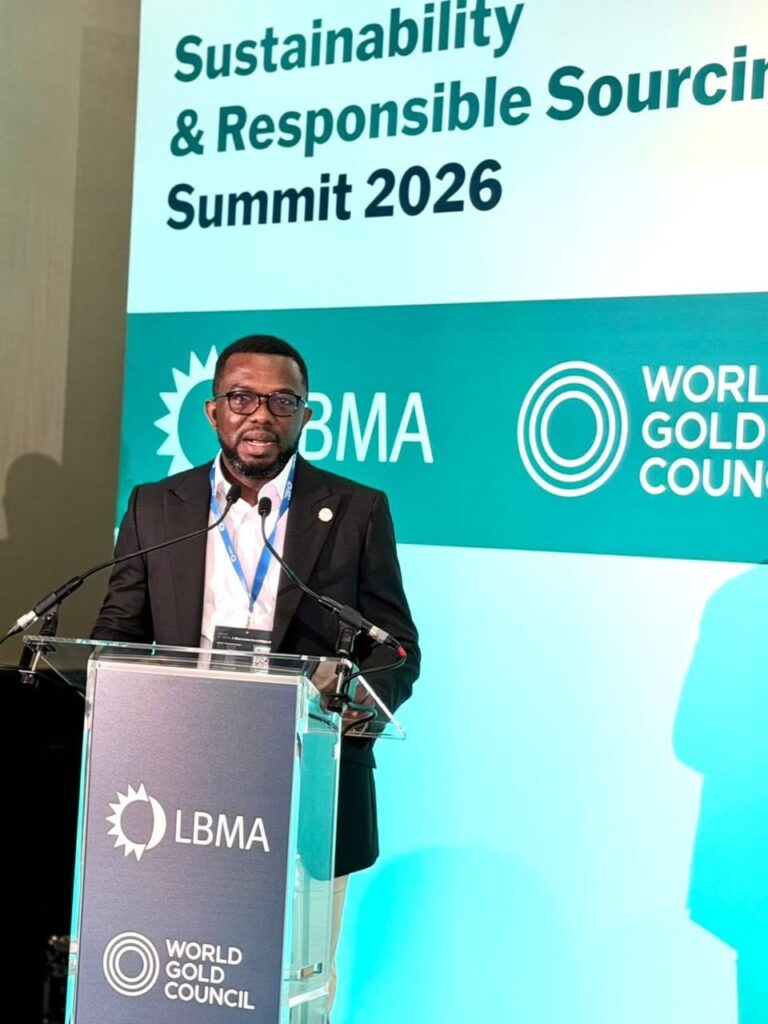
“Where demand exceeds available supply, allocations are made proportionately to ensure transparent and equitable distribution,” ensuring that all participating banks receive fair access to primary dollar liquidity.
The operational architecture requires participating banks to prove genuine customer demand or net short positions before allocations are settled on the same day.
Bank treasurers and market participants confirm that GoldBod’s discounted rate offerings have effectively reset commercial expectations, forcing market clearing rates lower.
This cohesive coordination between the central bank and the extractive sector regulator establishes a sustainable buffer against periodic currency depreciation.
Market Outlook and Sovereign Reserve Build-Up
Looking forward, major commercial banks anticipate that the Ghana cedi will maintain relative stability provided that the enhanced foreign exchange supply from GoldBod remains consistent through the final quarter of the year.
The dual-purpose allocation mechanism ensures that while commercial trade financing needs are met with the US$1 billion commercial tranche, the Bank of Ghana simultaneously bolsters its sovereign balance sheet via the US$500 million reserve accumulation component.

Central bank authorities have reaffirmed their readiness to intervene in the foreign exchange market whenever necessary to ensure orderly market conditions and curb excess volatility.
As GoldBod expands its daily aggregations and formal gold export channels, the continuous re-injection of mineral revenue into the GoFX platform provides a resilient foundation for long-term monetary stability and investor confidence in Ghana’s extractive sector economy.
READ ALSO: Ghana’s Budget Deficit Crashes to 1%, but at What Cost?