UK Prime Minister Keir Starmer and French President Emmanuel Macron are poised to unveil new efforts aimed at curbing small boat crossings in the English Channel, as the two leaders meet this week in London.
A key announcement is expected Wednesday, focusing on expanded French police intervention along coastal waters. However, a broader agreement to return asylum seekers remains uncertain.
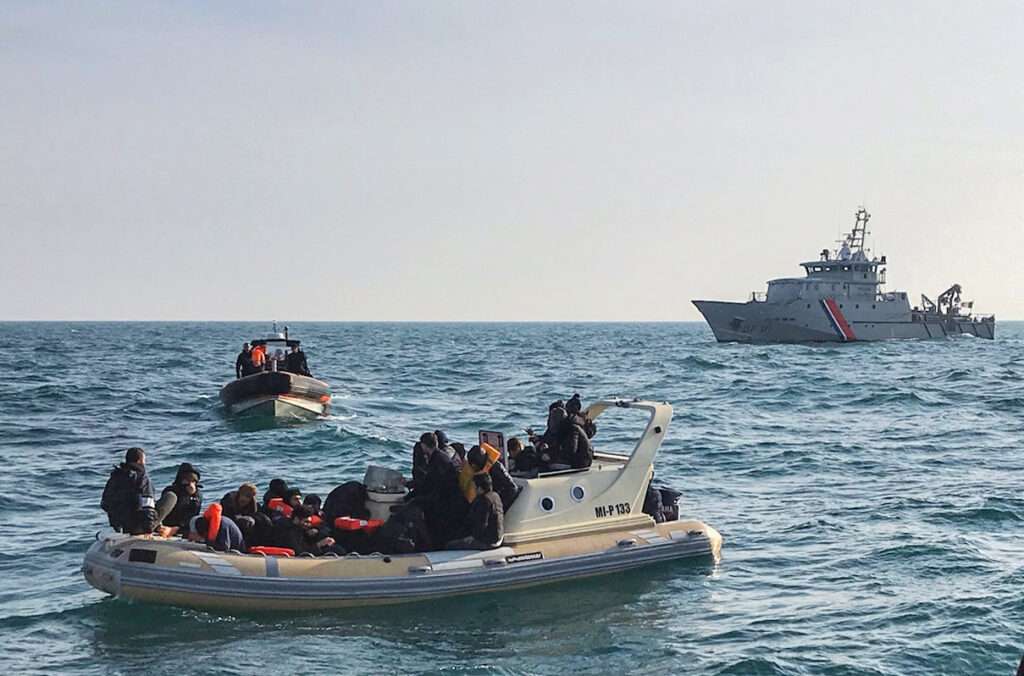
The anticipated summit marks a significant point in UK-France cooperation on migration control, with plans being finalized to allow French police to act within 300 meters of their shoreline. These actions, such as intercepting boats in shallow water before they embark, would represent a major shift from previous operations constrained by maritime law.
The measures are aimed at strengthening the battle against people-smuggling networks and deterring would-be migrants from making the dangerous journey. However, legal complexities tied to the UN Convention on the Law of the Sea, which limits non-rescue interventions in open water, continue to shape the framework for what French officers can do at sea.
Last week, reports emerged that French authorities used knives to puncture an inflatable boat near Boulogne while still in shallow seas. Whether this action signals a new protocol or was an isolated incident remains unclear.
UK-France Asylum Seekers Swap Arrangement Underway
While much of the summit will feature ceremonial activities involving royals, it will also include high-stakes discussions on border security, asylum policy, and cooperation frameworks. A possible “one in, one out” asylum returns scheme is also on the table, though British officials remain cautious about its finalization.
Under this proposed swap arrangement, the UK would send back newly arrived asylum seekers in exchange for taking in others already in France with clearer eligibility, such as individuals with family ties in Britain. UK officials acknowledge the model’s potential to reduce incentives for illegal Channel crossings but stress the need for thorough vetting before any announcement.
“We expect to make progress on a wide range of issues and joint priorities, and that includes migration. I’m not going to get ahead of the summit this week, but there is a range of maritime tactics that we have been discussing and have secured agreement with the French over.”
Deputy Spokesperson for Prime Minister Keir Starmer
The Deputy Spokesperson acknowledged the legal and operational hurdles involved, noting that “it’s for French authorities to make operational decisions for themselves,” but emphasized the strength of the renewed relationship between London and Paris. “Our relationship with them is better than it has been for a long time,” he added.
The renewed cooperation aligns with Macron’s state visit, which officially begins Tuesday and includes a formal summit, bilateral meetings, and diplomatic engagements. The summit comes amid increasing pressure on Starmer and Home Secretary Yvette Cooper to reduce Channel arrivals.

Despite previous government pledges to “smash the gangs” facilitating the crossings, numbers have surged. More than 20,000 people arrived by boat in the UK in the first half of 2025, marking a 48% rise compared to the same period last year.
French officials have reportedly concluded a review of shallow-water enforcement tactics, with both countries now negotiating the final steps toward implementation. However, the “one in, one out” asylum deal may not be ready in time.
One UK official admitted, “We want to get it right. Signing it during the visit would be ideal, but it would be even more ideal to make sure it works properly.”
As both governments weigh policy, diplomacy, and legal constraints, the summit’s outcomes will signal the direction of cross-Channel migration enforcement. Whether that includes a full asylum swap plan or just enhanced coastal enforcement, leaders are keen to demonstrate action.
READ ALSO: BRICS Urges Western Nations to Finance Global South’s Energy Transition