
The Ghana Road Transport Coordinating Council (GRTCC) has suspended its proposed 20 per cent increase in public transport fares, which had been scheduled to take effect on Friday, August 8, 2025.
The decision was reached after a high-level meeting convened by the Ministry of Transport with road transport unions, amid growing public concern over the move.
In a statement released by the Ministry, it explained that the meeting was called to address the absence of broader stakeholder consultations prior to the announcement of the fare increment.
The Ministry noted that both the GRTCC and other transport operators present agreed to halt the implementation of the planned adjustment, stressing that any future fare changes must be the product of inclusive engagement.
“Transport Operators following the meeting have agreed to suspend the purported 20% increment in public transport fares as a result of the lack of broader consultations on the decision”.
Ministry of Transport
It added that the suspension is in line with a shared commitment to ensure that all key voices are heard before decisions affecting commuters are made.
The Ministry further disclosed that transport operators have agreed to maintain the existing 15 per cent fare reduction, which has been in effect since May 24, 2025. This reduction was introduced earlier this year to cushion the public from high transportation costs during a period of economic rebound.
The Ministry also appealed to transport unions, drivers, and the public to cooperate with the current directive, noting that a framework for broader consultations on future fare adjustments would be pursued. “We count on the cooperation of all Transport Operators and the General Public,” the Ministry stated.
The move comes as a relief to many commuters who had expressed anxiety over the timing of the intended fare hike, particularly against the backdrop of Ghana’s current economic rebound.
Despite remarkable economic gains achieved over the first half of the year, stagnant incomes have put additional pressure on households, and transport fares remain a critical factor in daily expenses for millions of Ghanaians.
While the GRTCC’s initial decision to increase fares was reportedly informed by rising operational costs, including fuel prices and vehicle maintenance expenses, the lack of consultation drew sharp criticism from both commuters and advocacy groups.
The Ghana Private Road Transport Union (GPRTU) and the Chamber of Petroleum Consumers (COPEC) had earlier expressed opposition to the planned increment, describing it as unjustifiable under the current economic conditions.
Relief for Passengers
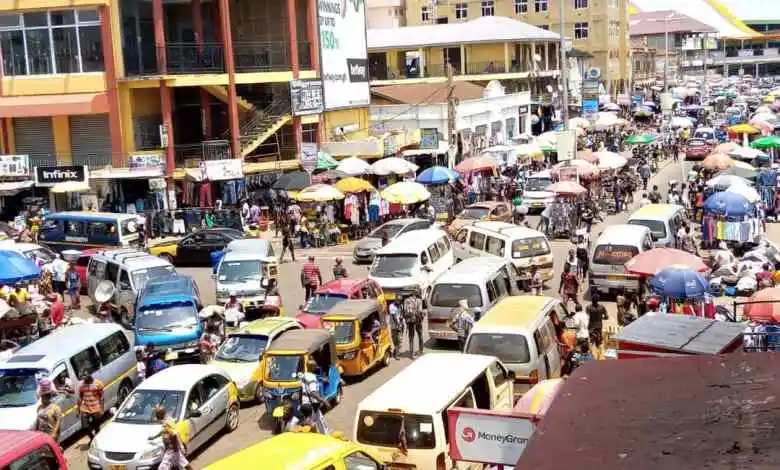
For many passengers, the suspension signals a temporary reprieve from the financial burden of higher fares. Market women, students, and low-income earners—who constitute a large proportion of daily commuters—had feared that the increase would further strain their already tight budgets.
The Ministry of Transport’s intervention reflects a growing recognition of this need for balance. By ensuring that operators maintain the current fare reduction while pursuing dialogue, the Ministry hopes to create a more consultative process that addresses both the operational needs of transport providers and the financial constraints of passengers.
However, questions remain about how long the fare freeze will last and what factors will influence future adjustments. Fuel prices, spare parts costs, and inflation rates are expected to remain key considerations in any upcoming negotiations.
For now, commuters can expect transport fares to remain unchanged, at least in the short term. The Ministry has promised to engage a wider range of stakeholders—including commuters’ associations, fuel industry representatives, and civil society groups—before making any decisions that could affect the cost of public transportation.
This approach, transport could help reduce tension between passengers and operators while fostering trust in the decision-making process. It also offers an opportunity to explore longer-term solutions to the challenges facing the transport sector, including fleet modernisation, operational efficiency, and fuel pricing stability.
For commuters navigating Ghana’s challenging economic climate, the hope is that future decisions will not only be more inclusive but also more sensitive to the realities of daily life
READ ALSO: Ghana Launches rCOMSDEP Initiative to Reform Small-Scale Mining