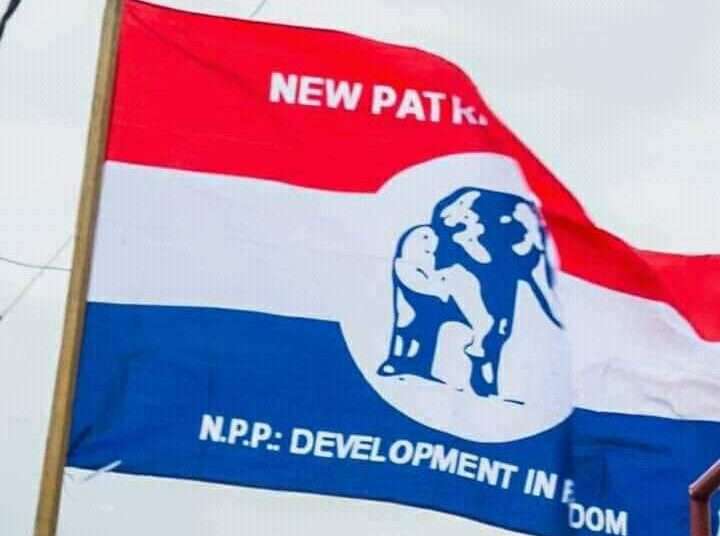
The GH₵4 million development levy imposed on presidential aspirants by the NPP has sparked a heated national debate, with legal and governance experts warning that the policy could have dangerous consequences for Ghana’s democracy.
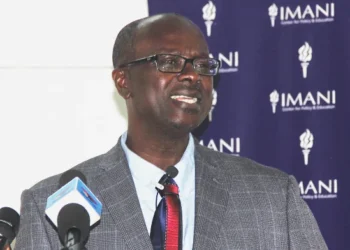
Prof. Stephen Kwaku Asare, a renowned legal scholar and Democracy and Development Fellow at CDD-Ghana, strongly condemned the fee, describing it as a clear threat to transparency, accountability, and equal political participation.
Prof. Asare has been vocal for years about the growing cost of entry into politics, arguing that the financial barrier to leadership is steadily worsening.
In this election cycle, he explained, the situation has reached alarming levels as the New Patriotic Party (NPP) introduces what it calls a “development levy,” requiring each presidential hopeful to pay GH₵4 million in order to contest the party’s primaries.
He warned that if this practice is allowed to continue, it will become entrenched and ultimately “poison our politics for years to come.”
“As the Supreme Court said in Republic v. Yebbi & Avalifo, political parties are not private clubs but constitutional creatures whose resources and integrity touch the public interest. When a levy this obscene is imposed, it is not just an internal party affair. It is an assault on the public interest and a betrayal of our democracy.”
Prof. Stephen Kwaku Asare
Accordingly, Prof. Asare outlined several reasons why the levy is not just problematic but a full-blown national crisis.
According to him, this move effectively puts democracy up for sale, as a ₵4 million price tag essentially “auctions off the right to lead.”

Under such a system, politics becomes dominated by the rich rather than individuals with the competence, vision, and dedication needed to serve the country.
Prof. Asare warned that the Constitution guarantees every citizen the right to participate in political life, but a fee of this magnitude shuts the door on vast segments of society, including teachers, farmers, artisans, and young people.
Leadership, he said, would no longer be about merit or ideas but rather about wealth and financial power. This dynamic could severely undermine the quality of governance and the nation’s democratic principles.
Corruption and Inequality
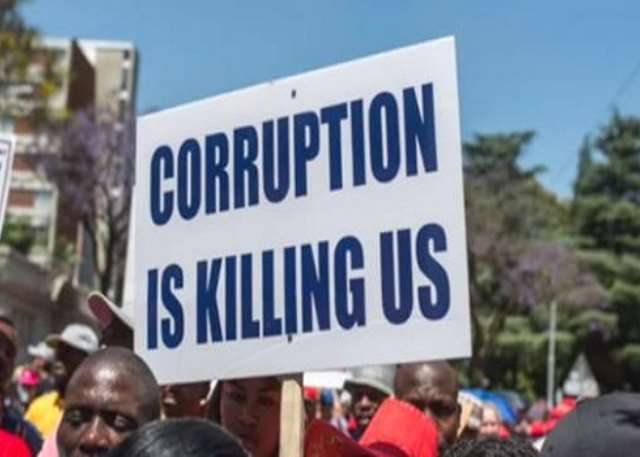
Another major concern raised by Prof. Kwaku Asare is the high risk of corruption that comes with such a steep financial requirement.
Aspirants who are forced to spend millions just to secure a place on the ballot may come to view public office as an investment they must recoup rather than a sacred duty to serve the people.
This, he explained, creates a system where officeholders prioritize personal gain and political payback, leading to the misuse of state resources. “When money, not merit, decides who competes, competence and integrity are sidelined,” Prof. Asare emphasized.
He further argued that the levy undermines internal democracy within political parties. Article 55(9) of the Constitution mandates that political organizations operate on democratic principles.
However, a fee of ₵4 million turns party primaries into exclusive clubs for the wealthy, choking fair competition and silencing grassroots voices.
Prof. Asare went on to describe the situation as a “test of spine” for aspirants. According to him, any candidate who fails to oppose such a levy is unlikely to defend the public purse when in office.
In his view, silence in the face of this policy amounts to complicity, which will eventually translate into corruption in government.
Public Trust in Jeopardy Amid NPP’s Thirst for Cash
The exclusion of credible but less wealthy candidates could also have long-term effects on voter engagement and trust in the democratic process.
Prof. Asare cautioned that when ordinary citizens see the political space as inaccessible, they become frustrated and disengaged. This alienation, he warned, could lead to lower voter turnout and an erosion of faith in democratic institutions.
At a time when many Ghanaians are grappling with economic hardship and being asked to make sacrifices, Prof. Asare described the levy as both “obscene and tone-deaf.”
He argued that it reinforces public cynicism about politics, feeding the perception that parties exist to serve elites rather than the ordinary people they claim to represent.
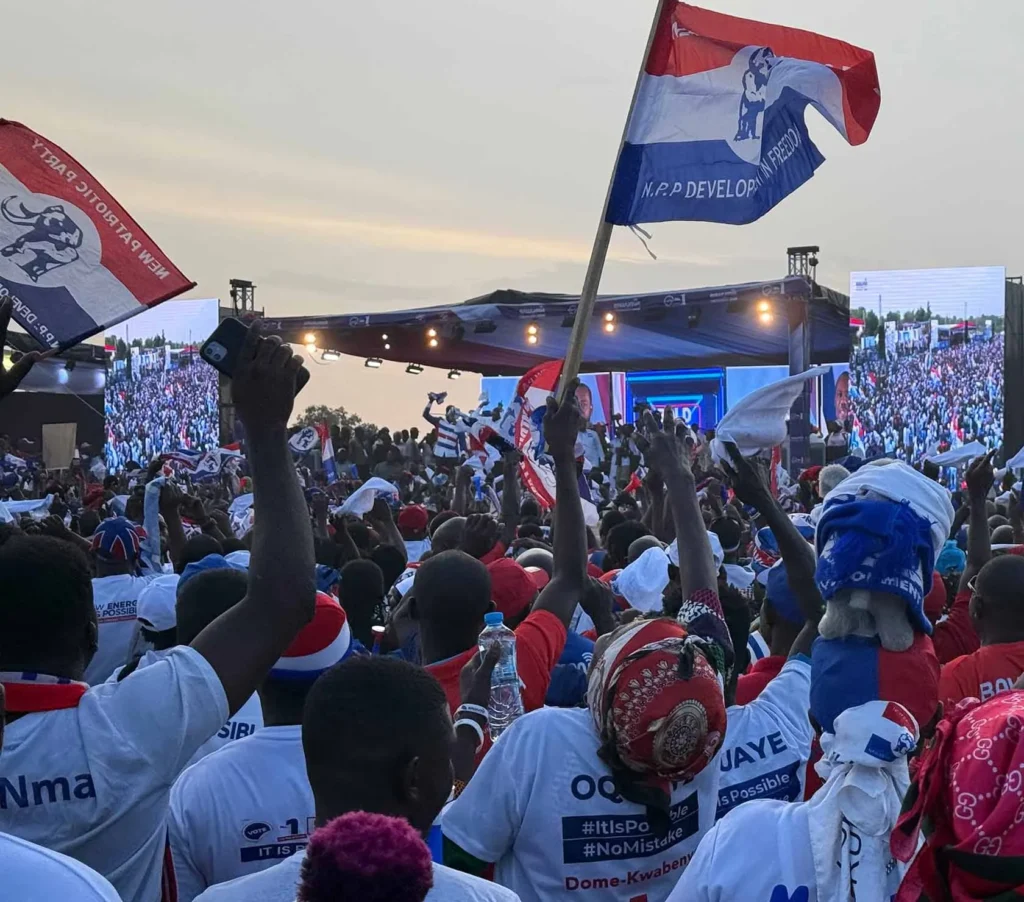
“Parties are constitutional creations, not private clubs. Their operations are matters of public interest. A levy of this scale mocks the spirit of equal opportunity enshrined in the Constitution.”
Prof. Stephen Kwaku Asare
Prof. Asare concluded by rejecting the characterization of the fee as a “development levy.” Instead, he called it a “corruption deposit,” warning that unless it is overturned, it will set a dangerous precedent for future elections.
The controversy surrounding the GH₵4 million levy has ignited a nationwide discussion about the future of Ghanaian politics.
Many observers agree that the issue is bigger than one party or one election cycle. At its core, it raises fundamental questions about access, fairness, and the health of Ghana’s democracy.
Whether the NPP will reconsider its position remains uncertain, but for now, the debate continues to grow as citizens, civil society groups, and political commentators weigh in on what some are calling one of the most significant threats to democratic governance in recent years.
READ ALSO: Tourism Minister Touts Film Industry’s Impact on Jobs