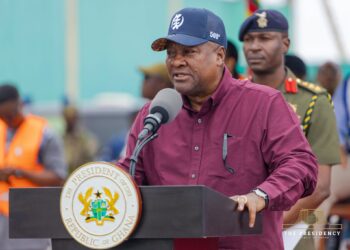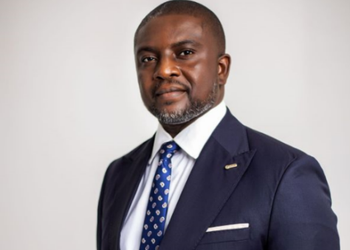
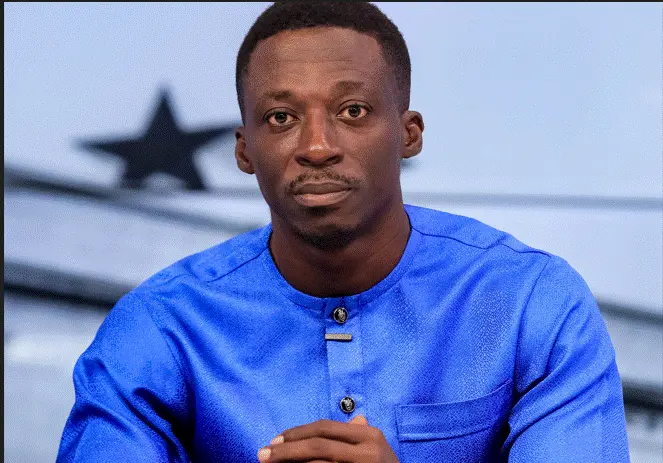
Private legal practitioner Austin Kwabena Brako-Powers has sharply criticised President John Dramani Mahama’s recent comments on illegal mining, describing them as a clear display of disinterest in the fight against galamsey.
He argued that the President’s tone and posture during the September 10, 2025, media encounter suggested a deliberate trivialisation of the devastating environmental and social consequences associated with illegal mining.
“You have your President say it is our land that is being destroyed, so if we are making money from it that is okay. This is not okay, and his response to the few questions on galamsey is dissatisfactory. That should get us worried as Ghanaians, particularly about the negative consequences of illegal activities”
Austin Kwabena Brako-Powers, Private Legal Practitioner
President Mahama’s latest media engagement, held in Accra, was aimed at updating Ghanaians on his government’s work across key sectors, including security, infrastructure, and the environment.
When the issue of illegal mining arose, the President defended his administration’s interventions, citing the introduction of tracking devices on excavators, the deployment of “blue water guards” to safeguard rivers, and the launch of the GoldBod system to monitor gold exports.
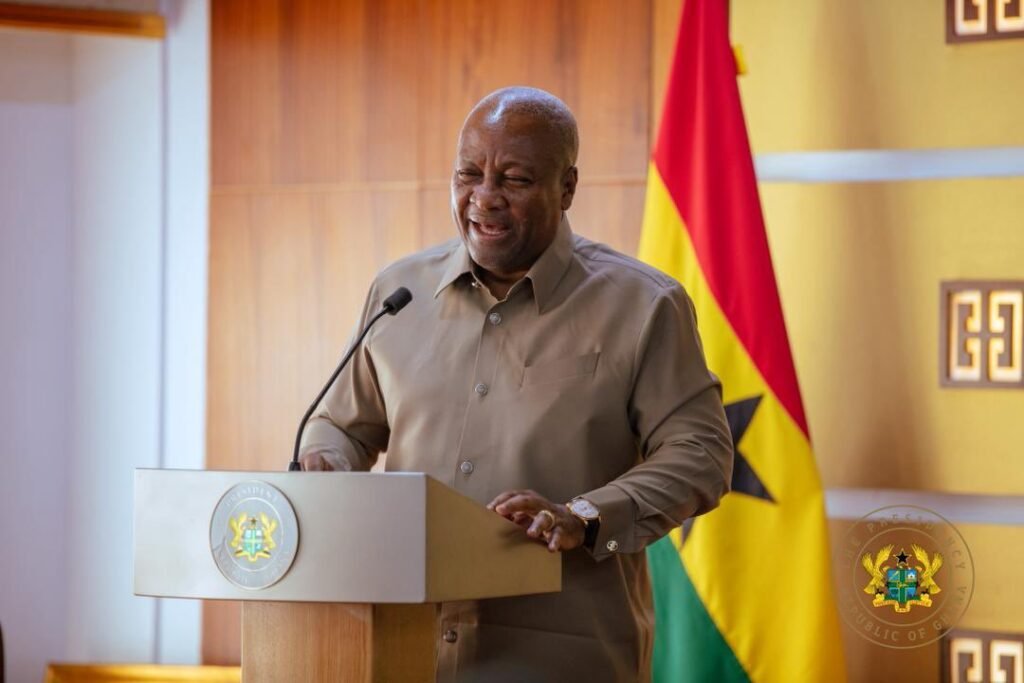
He further explained why the government halted the Inspector-General of Police’s anti-galamsey taskforce, saying such efforts had proven unsustainable. However, Brako-Powers maintained that these measures failed to inspire confidence.
“Available and verified data show that the government is losing the battle against illegal miners due to policy inconsistency and incoherent action, at a time when Ghanaians are yearning for decisive steps”
Austin Kwabena Brako-Powers, Private Legal Practitioner
Weak Enforcement and Political Interference
For Brako-Powers, the root of Ghana’s galamsey crisis lies in entrenched weaknesses within governance and enforcement structures. He argued that political interference and corruption had crippled attempts to deal with the menace, leaving communities vulnerable to water pollution, soil degradation, and food insecurity.
“These are the reasons why we are not winning the fight. If the government will work to eliminate these three issues, Ghanaians will breathe a sigh of relief,” he said.
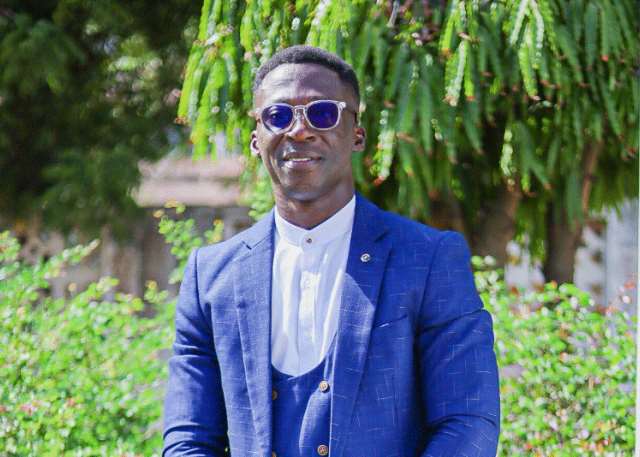
The lawyer cautioned that unless these barriers are tackled, the destruction of rivers and forest reserves would continue unchecked, deepening the long-term damage to Ghana’s ecosystem and undermining future livelihoods.
Brako-Powers also linked the government’s weak response to broader global concerns. He warned that Ghana risks undermining its international commitments on climate change, biodiversity, and sustainable development.
Donor partners and investors, he suggested, might reconsider their engagement with Ghana if environmental governance continues to falter.
“This is not just about trees and rivers; it is about our survival as a people. Once these forest reserves are gone, there is no turning back. Future generations will not forgive us. The protection of natural resources must not be reduced to partisan rhetoric but treated as an urgent matter of national survival”
Austin Kwabena Brako-Powers, Private Legal Practitioner
His remarks underscore the growing sense of frustration among sections of civil society, who believe the government is failing to rise to the urgency of the moment.

Beyond criticising the government, Brako-Powers called for a united national effort to stop illegal mining. He urged civil society groups, traditional authorities, environmental advocates, and citizens to hold leadership accountable and ensure natural resources are protected.
His comments add to the mounting pressure on President Mahama’s administration, which continues to face scrutiny for its approach to galamsey. As rivers turn brown and forests vanish, the debate over how best to tackle illegal mining remains at the heart of Ghana’s environmental and political discourse.
READ ALSO: “5% Depreciation is Stability We Can Live With” – Economist Applauds Mahama’s Cedi Outlook