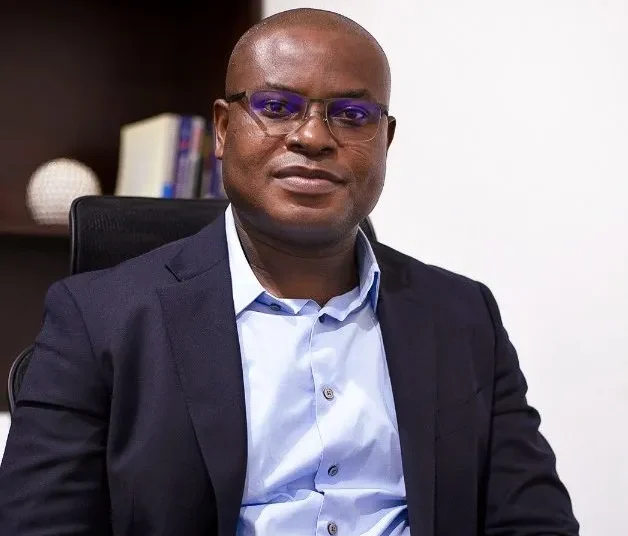
The Director of Communications for the New Patriotic Party (NPP), Richard Ahiagbah, has accused President John Dramani Mahama of concentrating excessive power in the executive branch, warning that the current political structure has effectively made him a “supreme leader.”
His remarks follow the removal of Chief Justice Gertrude Torkornoo and the arrest of Bono Regional NPP Chairman Kwame Baffoe, popularly known as Abronye DC.
Ahiagbah, speaking on the recent developments, argued that Ghana’s system of checks and balances is being eroded under the Mahama administration. He cited the removal of the Chief Justice and what he described as the ruling party’s dominance in Parliament as clear signs of democratic backsliding.
“What you have in Ghana after the President’s successful removal of the Chief Justice is a legislature that is dominated by the ruling party – the government of the day. Number two, you have a Judiciary effectively now in a position to be compromised”
Richard Ahiagbah, NPP Director of Communications
President Mahama recently removed Chief Justice Gertrude Torkornoo following recommendations from a presidentially appointed inquiry. Justice Torkornoo had been suspended since April after three petitions were filed against her. According to the presidency, the inquiry concluded that “grounds of stated misbehaviour… had been established and recommended her removal from office.”
The Chief Justice, however, rejected the allegations as unfounded and politically motivated. While the presidency maintained that the President was bound to act on the committee’s recommendations, critics like Ahiagbah argue the decision undermines judicial independence.
Ahiagbah insisted that the development tilts the balance of power dangerously in favour of the executive.
“The set up is that president Mahama has become a Supreme leader. Why? Because parliament is essentially his, and the Judiciary will effectively become his. When that happens he is a Supreme leader. He can disagree but that is what it is”
Richard Ahiagbah, NPP Director of Communications
Abronye’s Arrest
Beyond the judiciary, Ahiagbah also condemned what he called the misuse of state power in the arrest of Abronye DC. Police arrested the outspoken NPP Bono Regional Chairman on Monday, September 8, and he was later remanded into police custody by an Accra Circuit Court.

Abronye faces charges of publishing false news and offensive conduct likely to disturb the peace. These charges stem from allegations that he claimed on television that Inspector General of Police (IGP) Tetteh Yohuno attended meetings of the National Democratic Congress (NDC) and described him as the “most corrupt” IGP in the country’s history.
Abronye has pleaded not guilty and is expected back in court on September 19, 2025. Ahiagbah criticised the government’s handling of the case and accused state institutions of being weaponised against political opponents.
“What is happening to Abronye is a classic show of power – weaponising state security or the power to arrest to show a citizen where power lies… We need to tell the president clearly that this state does not belong to him”
Richard Ahiagbah, NPP Director of Communications
The NPP communications director also questioned why President Mahama has remained silent on the matter. For him, the President’s quiet acceptance of such developments suggests approval of a pattern that undermines constitutional freedoms.
He added that the state must not be seen as the property of one leader, emphasising that all power is derived from the people. “We are the people, and he is to exercise the constitution on our behalf. He is seeing it being abused,” he said.

Ahiagbah’s remarks highlight growing political tensions in Ghana as questions mount over governance, separation of powers, and the independence of state institutions. His characterisation of President Mahama as a “supreme leader” underscores the seriousness of the accusations being levelled against the administration.
The combined controversies over the removal of the Chief Justice and the detention of Abronye DC have stirred widespread public debate. For critics like Ahiagbah, these developments represent not isolated incidents but a broader pattern of governance that threatens Ghana’s democratic fabric.
READ MORE: African Creatives Urged To Think Bigger Than YouTube