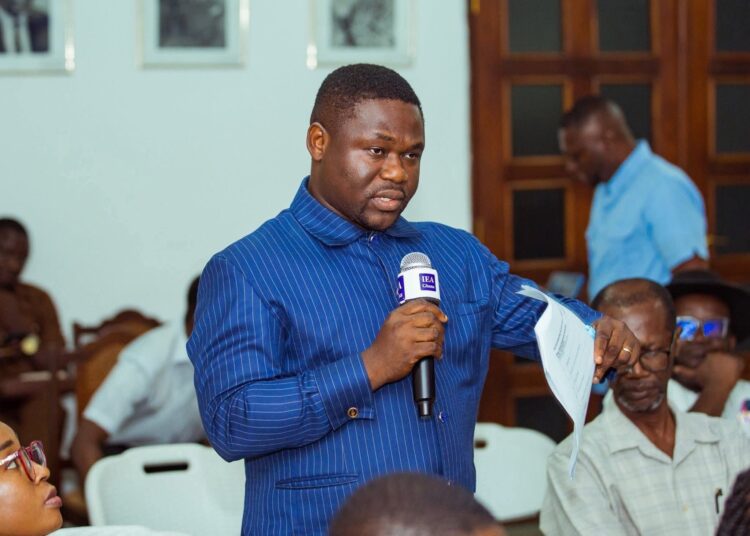
Mining consultant Ing. Wisdom Edem Gomashie has urged the government to take a bold, finance-backed approach to reforming Ghana’s mining policy framework, arguing that without genuine financial commitment, the country will continue to lose vast portions of its mineral wealth to multinational corporations.
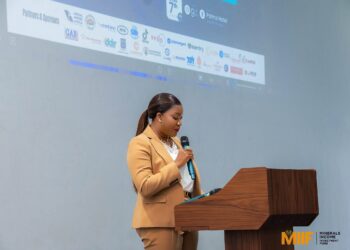
Speaking at a high-level roundtable organized by the Institute of Economic Affairs (IEA) on the theme “The Ideal Mining and Mineral Rights for Effective Natural Resources Management in Ghana,” Ing. Gomashie shared compelling findings from his academic research covering nearly three decades of Ghana’s mineral exports.
He revealed that between 1990 and 2019, Ghana exported minerals worth US$65.6 billion, yet retained only 10 percent of that value, approximately US$6.5 billion through royalties, corporate taxes, Pay-As-You-Earn (PAYE), and dividends.
“My projections suggest that based on current gold prices and production levels, multinational mining companies in Ghana could walk away with over US$5 billion in after-tax profits this year.
“They deserve it, it isn’t their fault. It’s our laws and systems.”
Ing. Wisdom Edem Gomashie, Mining consultant
Value Retention Dilemma
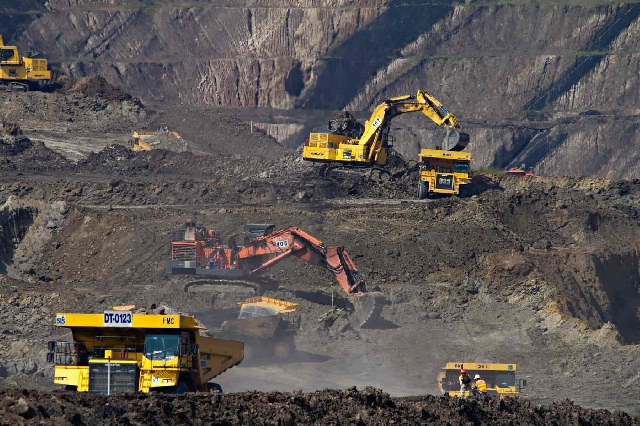
Ing. Gomashie noted that while securing better deals from mining companies remains essential, the root problem is deeper, it lies in Ghana’s limited capacity to finance exploration and production.
He contrasted Ghana’s situation with that of countries like Chile and Botswana, which have successfully leveraged domestic investment and national institutions to increase state participation in their mining sectors.
“The issue is not just about renegotiating agreements or tweaking royalties.
“The real question is whether Ghana is ready to put real money into mining, to move beyond taxation and into participation.”
Ing. Wisdom Edem Gomashie, Mining consultant
He stressed that without sufficient financial commitment from the State, Ghana would continue to depend heavily on multinational capital, limiting its ability to influence pricing, local value addition, and long-term sector sustainability.
Outlining a set of structural reforms, Ing. Gomashie proposed a National Exploration and Bankable Data Fund, to be managed under the Ghana Geological Survey Authority (GGSA).
The fund, he said, would finance exploration activities and generate high-quality geological data to strengthen Ghana’s negotiating position when allocating mineral rights.
He also called for the adoption of a Bankable-Auction Model for transparent and competitive allocation of concessions, in accordance with Regulation 258 of L.I. 2176, to ensure that mineral rights are awarded based on proven value rather than political influence.
Another key reform, he said, was the development of strong industrial linkages between mining and local manufacturing, arguing that Ghana’s current local procurement figures mask a deeper dependency on imported inputs.
“The reported US$2.9 billion local procurement value in 2024 is commendable, but we must be honest a large part of that figure involves imported goods reclassified as local inputs. The real domestic value retention is far lower.”
Ing. Wisdom Edem Gomashie, Mining consultant
Ing. Gomashie also urged the State to promote direct participation and indigenous ownership through equity investments and joint ventures backed by local financing institutions.
To encourage such participation, he proposed stabilization clauses to protect Ghanaian investors from abrupt policy shifts or political interference.
“We can review laws and policies repeatedly, but if these structural fundamentals remain unattended to, we will keep returning to ground zero.”
Ing. Wisdom Edem Gomashie, Mining consultant
Call for Real Commitment
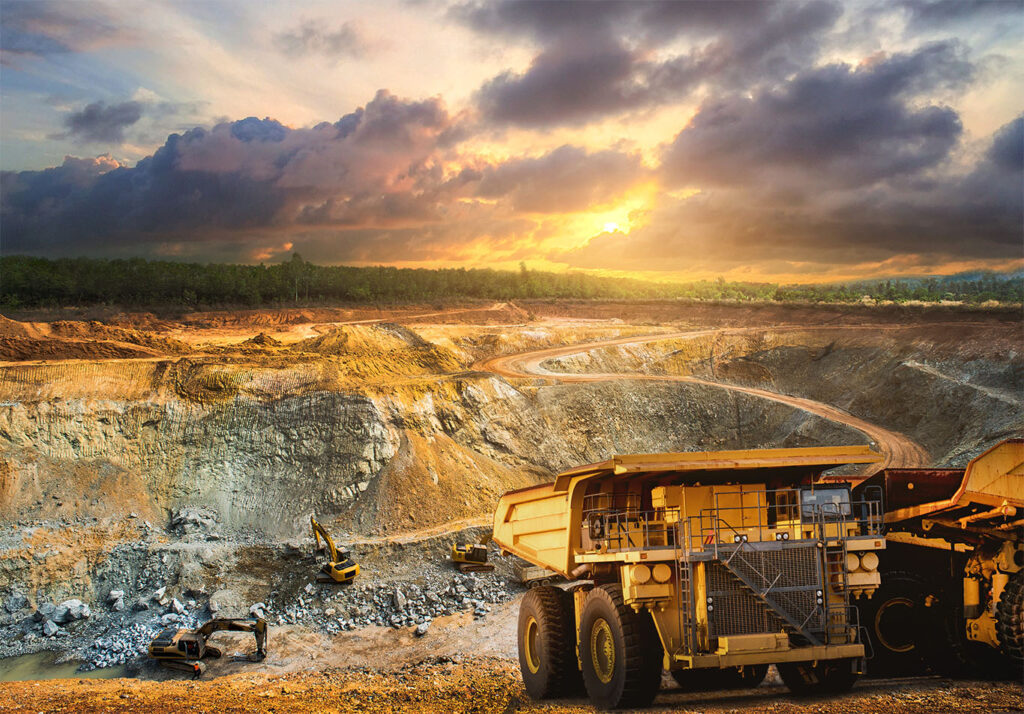
The mining policy expert commended the IEA for creating a platform that encourages constructive dialogue on the governance of natural resources but cautioned against allowing the conversation to remain at the level of rhetoric.
“We have been excellent at diagnosing problems but slow to fund solutions.
“The time has come to match our policy ambitions with capital commitment.”
Ing. Wisdom Edem Gomashie, Mining consultant
According to him, Ghana’s inability to fund large-scale exploration and production has historically limited the country’s negotiating power, leading to “asymmetric relationships” with multinational mining firms that dominate decision-making.
He argued that with gold prices nearing record highs and mineral demand rising globally, Ghana must seize the moment to redefine its role in the mining value chain.
The roundtable, chaired by Her Ladyship Justice Sophia Akuffo, former Chief Justice of Ghana, brought together key stakeholders from across the mining and governance ecosystem, including Prof. Kofi Abotsi, Minority Leader Alexander Afenyo-Markin, representatives from the Ghana Chamber of Mines, regulators, academics, and civil society actors.
For Ing. Gomashie, the path forward is clear: Ghana must transition from being a passive beneficiary of mineral exports to an active player in the global mining economy.
That transition, he emphasized, will only happen if the State is willing to invest, build institutional capacity, and protect local interests through smart policy and financing mechanisms.
READ ALSO: BoG’s $1.15bn FX Injection Sparks Clash with IMF and World Bank Over Cedi Stabilization