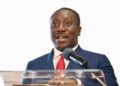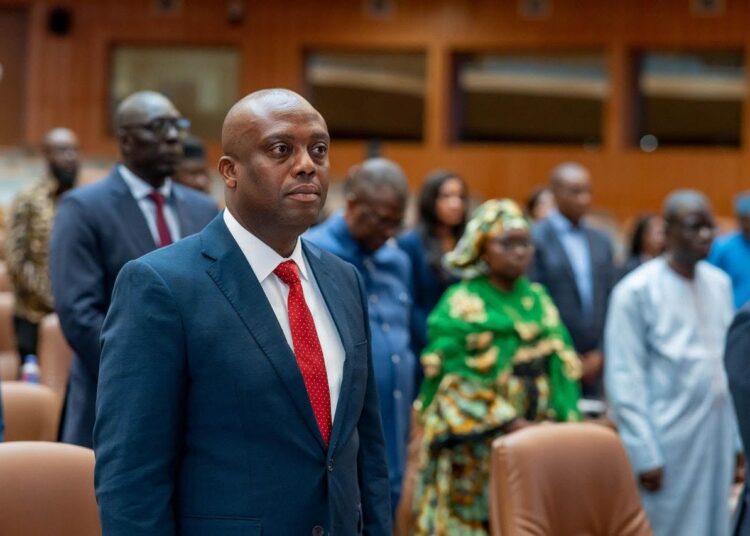
The Deputy Minister of Finance, Honourable Thomas Ampem Nyarko, has defended government’s spending priorities, insisting that the scale of public expenditure and the timely release of statutory funds demonstrate a deliberate shift towards productive areas of the economy. His comments came ahead of the presentation of the Mid-Year Review Budget as the government sought to justify its fiscal decisions amid criticism from the opposition New Patriotic Party.
Honourable Nyarko pointed to figures presented by the Finance Minister, Dr Cassiel Ato Forson, including GH¢48.8 billion spent on public sector compensation and more than GH¢6.5 billion committed to the Big Push programme. The figures, he explained, offered a clearer picture of the government’s expenditure priorities and the areas receiving public funds.
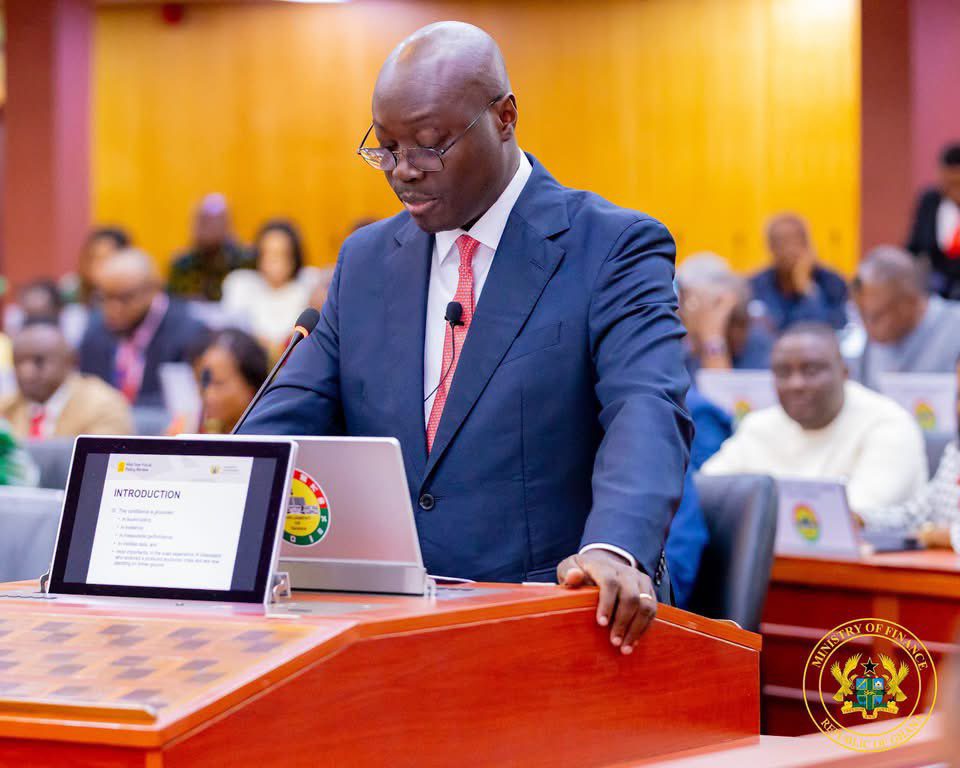
According to the Deputy Finance Minister, the timely payment of statutory funds also marked a significant change in the management of public finances. The District Assemblies Common Fund and the Ghana Education Trust Fund, he noted, had received allocations up to the second quarter of the year.
“Today, we are spending at the right places. We are sending all these monies and they are making prompt payments.”
Honourable Thomas Ampem Nyarko
Turning to healthcare financing, the Deputy Minister cited the National Health Insurance Authority as another example of government’s spending approach. He explained that the Authority is now inviting healthcare providers to submit claims for payment, a situation he contrasted with previous periods when hospitals waited several months before receiving reimbursements.
The improvement, he argued, has helped ease pressure on healthcare providers and reduced the risk of a return to cash and carry services. For the government, the development is part of a wider effort to direct public resources towards areas that affect the daily lives of Ghanaians.
Honourable Nyarko also sought to clarify the difference between budgetary releases and actual payments to ministries departments and agencies. He explained that government finances are released through established quarterly allotments as revenues were collected throughout the year.
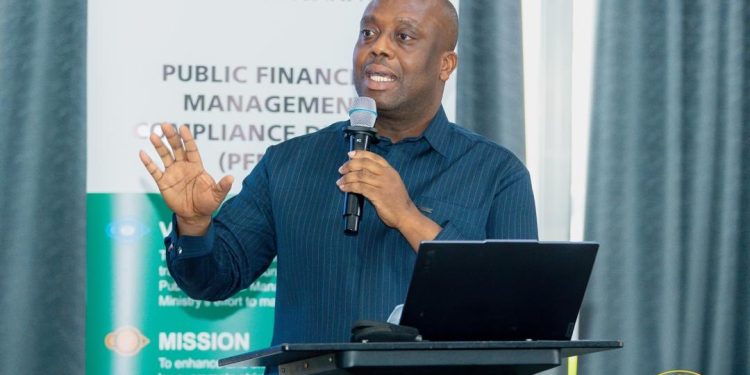
A budget allocation, he added, did not mean that the entire amount is immediately transferred to an institution. The funds went through procurement and administrative processes before actual expenditure could take place.
The Deputy Finance Minister also explained that government could only spend within the resources available to it. That position, he suggested, forms the basis of the administration’s decision to reduce waste and avoid excessive borrowing.
Revenue Gains And Customs Reforms Strengthen Fiscal Strategy
The Deputy Minister of Finance also linked the government’s spending strategy to efforts to improve domestic revenue collection and reduce dependence on borrowing. He argued that the administration has removed several taxes while pursuing reforms intended to strengthen revenue mobilisation.
Among the taxes removed, he mentioned the COVID-19 levy and the betting levy. Despite the changes, Honourable Nyarko indicated that revenue collection has continued to improve, with about GH¢124.8 billion collected by the end of June against a target of approximately GH¢126 billion.
The Deputy Minister projected that revenue performance could improve further as the year progressed. He explained that the first quarter traditionally recorded weaker collections while the final quarter usually generated a significant share of annual revenue.
“We can only spend what we have, and that is the shift that we have moved away from. We have deliberately decided to cut a lot of waste.”
Honourable Thomas Ampem Nyarko
In his view, the government’s approach marks a departure from the excessive borrowing that have contributed to Ghana’s debt restructuring. The administration, he explained, is seeking to improve revenue collection while directing available resources towards activities capable of strengthening the productive capacity of the economy.

Customs revenue has also emerged as a key area of improvement under the new reforms. Honourable Nyarko disclosed that monthly collections have increased from an average of about GH¢3.8 billion to GH¢5.6 billion in June.
The June figure, he noted, exceeded the monthly target of GH¢5.3 billion for the first time in several years. Early data for July, he added, suggests that the Customs Division could exceed the same target again.
A major factor behind the improvement, according to the Deputy Minister, has been the introduction of an artificial intelligence system designed to reduce human discretion in customs processes. The reform, he explained, has helped improve valuation and revenue collection without the introduction of new taxes or levies.
Dr Ato Forson earlier disclosed that the system has contributed about $300 million in additional revenue over a three-month period. Honourable Nyarko linked the gains to the use of technology to strengthen monitoring and limit opportunities for revenue leakages.
The development has added another dimension to the government’s fiscal strategy as authorities seek to increase collections without placing additional tax burdens on citizens. For the Deputy Finance Minister, improved revenue administration remains central to the government’s ability to fund public services and sustain its economic programme.
READ ALSO: Black Queens Head Coach Names Final Squad for 2026 WAFCON