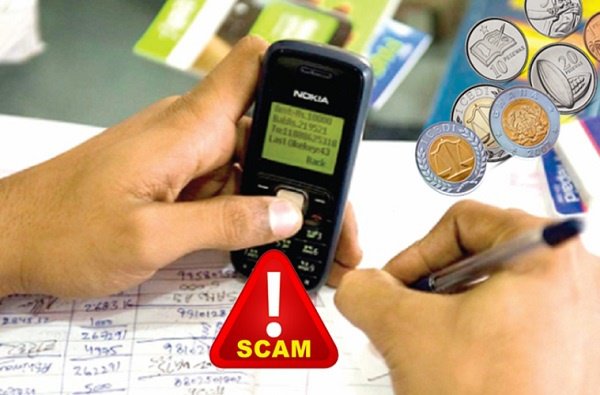
Ghana’s growing digital transformation is facing a major setback as cyber fraud continues to surge across the country.
According to the latest report from the Cyber Security Authority (CSA), online fraud has emerged as the most reported cybercrime in 2025, costing individuals and businesses millions of Ghana cedis. The report, which captures data between January and September 2025, paints a worrying picture of how technology-driven scams are undermining trust in the nation’s digital ecosystem.
The CSA revealed that online fraud accounted for 1,200 out of the 3,286 reported cybercrime cases, representing more than one-third of all incidents. The Authority warned that the rapid growth of mobile money, online investment platforms, and digital transactions has created fertile ground for cybercriminals to exploit unsuspecting victims.
Mobile money fraud remains the biggest contributor to Ghana’s cybercrime wave. Fraudsters often impersonate customer service agents, use fake promotions, or deploy phishing messages to trick users into sharing personal details and authorizing withdrawals. The CSA estimates that millions of cedis have been lost to such schemes in just the first nine months of 2025.
“These fraudsters are becoming increasingly sophisticated, using social engineering and cloned websites to deceive victims,” a CSA official stated. “What begins as a simple text message or phone call can lead to devastating financial losses if users are not cautious.”
The Authority has cautioned the public to remain alert to unsolicited messages and calls, particularly those requesting sensitive information such as mobile money PINs, passwords, or one-time verification codes.
Cyberbullying and Blackmail on the Rise
While online fraud dominates the report, cyberbullying and online blackmail have also recorded sharp increases. The CSA documented 738 cases of cyberbullying and 507 incidents of online blackmail, with many victims being women and young people. These offences often involve the use of social media platforms to harass, intimidate, or coerce victims into paying money or complying with other demands.
According to the report, cyberbullying cases range from character defamation to the non-consensual sharing of intimate images. The CSA emphasized that such acts have severe psychological effects and can lead to long-term emotional trauma.
“Cyber harassment has become a serious social problem, and we are urging all citizens to use online platforms responsibly,” the Authority said. “Our goal is to make Ghana’s digital space safe for everyone, especially for young people who spend significant time online.”
The report also highlighted unauthorised access and information disclosure as emerging threats, recording 390 and 288 cases respectively. These include hacking into personal or corporate accounts, leaking confidential data, and compromising online systems. Experts warn that with Ghana’s growing adoption of e-commerce, cloud services, and digital banking, the stakes are higher than ever.
Cybersecurity analyst Kwame Mensah noted that “the convenience of digital systems comes with the responsibility to secure them. Many breaches occur not because systems are weak, but because users fail to update their software or use strong passwords.”
CSA Steps Up Public Awareness Campaigns
In response to the surge in cyber threats, the Cyber Security Authority has intensified its nationwide awareness campaigns. These initiatives aim to educate Ghanaians on identifying fraudulent schemes, protecting personal data, and reporting suspicious activities promptly.
The CSA is also collaborating with law enforcement agencies, telecom operators, and financial institutions to strengthen detection mechanisms and trace perpetrators. “Our enforcement strategy is twofold: prevention through education and prosecution through investigation,” the Authority explained.
To this end, the CSA continues to promote Cybersecurity Awareness Month, hosting workshops and school outreach programs to build a culture of digital responsibility. Officials are also advocating for stronger penalties for offenders to deter would-be cybercriminals.
With Ghana’s digital economy expanding rapidly, the need for vigilance cannot be overstated. The CSA has urged the public to verify online transactions, avoid clicking suspicious links, and use multi-factor authentication on all digital accounts.
“Cybersecurity is a shared responsibility,” the Authority stressed. “Every individual and business has a role to play in protecting our digital ecosystem. A single careless action can open the door to significant financial and reputational damage.”
As Ghana continues to embrace digital transformation, experts insist that building digital resilience must become a national priority. Investments in cybersecurity infrastructure, education, and policy enforcement will be crucial in sustaining the country’s progress toward a secure and trusted digital future.
READ ALSO: Inflation Tamed, Reserves Rebuilt: Ghana’s Economic Revival Gains Global Recognition