The World Bank’s latest report, “The Role of the Public and Private Sectors in Port Reform and Investments”, arrives at a critical moment for Ghana’s economy.
The report, which examines how evolving public-private partnerships can transform global ports into more efficient trade gateways, carries powerful lessons for Ghana’s maritime and export ambitions.
As Ghana continues to position itself as a leading logistics and trade hub in West Africa, the World Bank’s call for smarter, more balanced port governance is timely. With the country’s economy heavily reliant on seaborne trade—spanning cocoa, oil, gold, and manufactured exports—the efficiency, competitiveness, and resilience of its ports are central to sustaining growth.
Ports as the Engine of Economic Growth
The report emphasizes that ports are not merely points of entry and exit; they are engines of national development. In Ghana, the Tema and Takoradi ports together handle nearly 80% of external trade. Their performance directly affects industrial competitiveness, export earnings, and the cost of doing business.
The World Bank argues that well-managed ports generate powerful multiplier effects throughout the economy. Lower transport and logistics costs stimulate growth in manufacturing, agribusiness, retail, and regional trade. “Each direct port job supports several more in related industries,” the report notes, highlighting how port efficiency feeds directly into national income.
This insight resonates strongly with one of Ghana’s policy agendas. The government’s renewed focus on the blue economy—an emerging framework that harnesses marine and coastal resources for sustainable development—aligns with the World Bank’s findings. By modernizing ports, improving logistics, and promoting sustainable maritime investments, Ghana can expand exports, attract investment, and create new jobs across sectors.
The Public-Private Balance
According to the World Bank, the future of port reform lies in balanced partnerships between the public and private sectors. Two decades ago, most ports were publicly owned and operated. Today, the global landscape has shifted toward hybrid models where governments set the strategic direction while private firms bring capital, technology, and operational expertise.
For Ghana, this balance is vital. The Tema Port Expansion Project—one of the largest private-led infrastructure investments in the country’s history—is a testament to what well-structured partnerships can achieve. The concession, led by Meridian Port Services (a consortium involving APM Terminals and Bolloré Africa Logistics), transformed Tema into a world-class container terminal, boosting trade capacity and efficiency.
Yet, the World Bank cautions against excessive market power by private operators or global shipping alliances. As large shipping lines consolidate and integrate vertically—owning terminals and logistics services—they gain greater influence over tariffs, berthing schedules, and investment decisions. Regulators in developing countries like Ghana must, therefore, ensure fair market access and transparency to prevent monopolistic practices that could distort competition.
Financing and Risk-Sharing for Sustainable Growth
The report further highlights financing as a major challenge in modern port development. Private investment in ports, while crucial, must be structured to share risks effectively between governments and investors. The World Bank advises that risks be allocated to the party best equipped to manage them: construction risks to private partners, and regulatory or political risks to governments.
For Ghana, innovative financing models such as blended finance, guarantees, and performance-based contracts could help attract long-term investors while safeguarding public interests. As the nation seeks to expand infrastructure around Takoradi and develop new logistics corridors linking the hinterlands to the coast, such frameworks will be essential to sustain economic momentum.
Moreover, the World Bank underscores that ports backed by major shipping lines may appear financially stable but can expose host economies to concentration risks. If a major shipping line alters its routes or faces a global downturn, dependent ports may experience revenue shocks. Ghana’s policymakers must therefore diversify investment sources and strengthen regulatory capacity to maintain resilience in its blue economy.
Managing Labor and Technology Transitions
Labor reform remains another focal point of the World Bank’s report. In earlier waves of port reform, the emphasis was on downsizing and efficiency. Today, the challenge is different—how to manage automation and digitalization.
Automation in port operations—through AI-driven logistics, automated cranes, and smart cargo tracking—can significantly reduce costs and delays. However, it also changes the nature of employment. Traditional dock work is giving way to demand for new technical skills such as IT, data analytics, and equipment maintenance.
For Ghana, embracing this technological transition offers both opportunities and challenges. The introduction of the paperless port system in 2017 and the digitization of customs clearance marked major steps toward modernization. Yet, sustaining these gains requires continued investment in digital infrastructure, worker retraining, and local capacity building to ensure no group is left behind.
Charting Ghana’s Blue Economic Future
Ultimately, the World Bank’s report underscores a broader truth: ports are too strategic to be left entirely to the market, yet too complex to be managed by governments alone. The key lies in partnership—between public oversight, private investment, and the communities that depend on maritime trade.
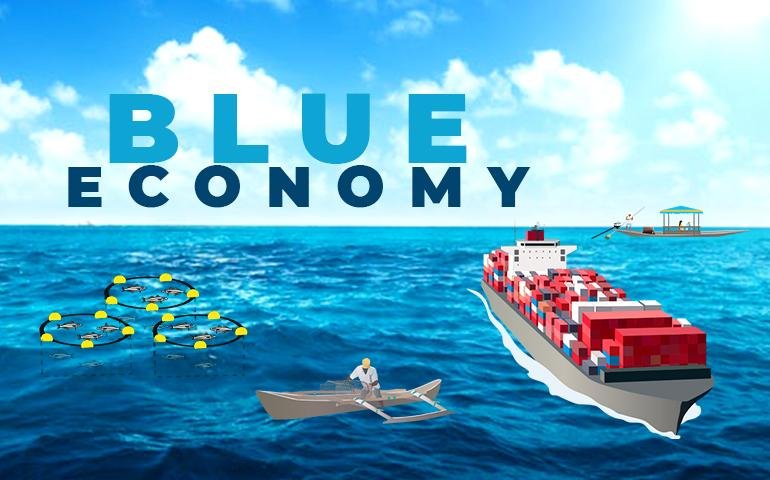
For Ghana, which seeks to grow its blue economy and deepen export diversification, this partnership approach is essential. Building sustainable, efficient, and technologically advanced ports will not only strengthen Ghana’s trade competitiveness but also create ripple effects across the wider economy—from industry to agriculture, and from logistics to employment.
As global trade evolves, Ghana’s ability to adapt will determine its economic trajectory. With the World Bank’s guidance, the country stands well-positioned to turn its ports into powerful engines of prosperity, connecting its people, products, and potential to the rest of the world.
READ ALSO:‘The Time Has Come to Think Differently’ – ADB MD Challenges Managers to Lead with Creativity