
The Acting Chief Executive Officer of the Petroleum Hub Development Corporation (PHDC), Dr Toni Aubynn, has dismissed ongoing concerns that Ghana’s Petroleum Hub project could face feedstock shortages upon completion, assuring both local and international investors that the facility will have a consistent and reliable supply of crude oil and other raw materials.
Speaking at the Local Content Conference and Exhibition (LCCE 2025) in Takoradi, Dr Aubynn said questions about feedstock availability were misplaced and did not reflect the strategic intent or global operational model of the project.
He emphasized that the Petroleum Hub was designed as an integrated energy and logistics ecosystem, not a standalone refinery, making it fundamentally different from similar regional developments such as Nigeria’s Dangote Refinery or Côte d’Ivoire’s planned second refinery.
“You don’t need to produce oil to operate a world-class petroleum hub. Rotterdam produces no crude yet hosts one of the planet’s busiest and most profitable hubs.
“Singapore, which is the size of Accra, reclaimed land from the sea to build the world’s third-largest hub.”
Dr Toni Aubynn, Acting Chief Executive Officer of PHDC
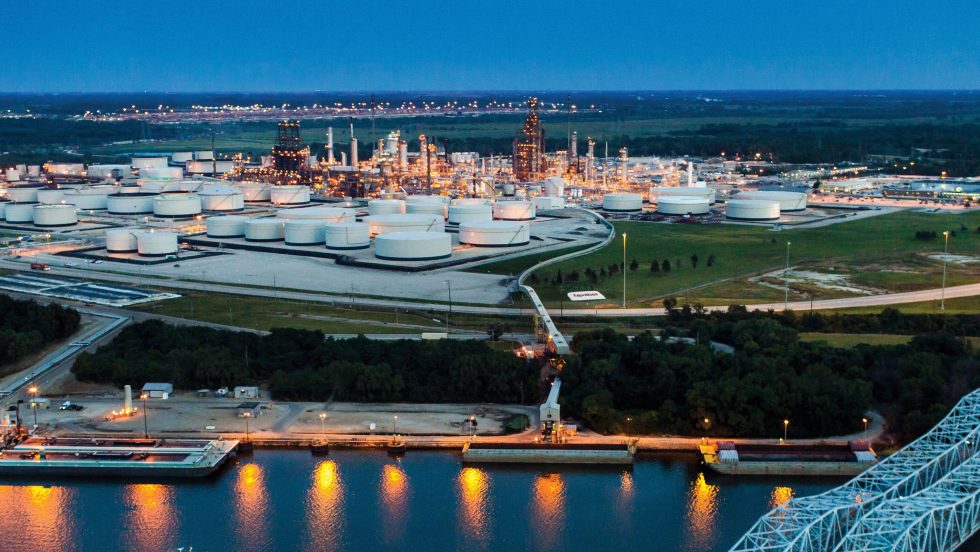
Dr Aubynn underscored that Ghana’s Petroleum Hub will be the first fully integrated project of its kind in Africa, combining refineries, petrochemical plants, storage facilities, jetties, and a dedicated port within one coordinated development zone.
This model, he explained, offers far greater resilience and economic scalability compared to traditional refineries, which depend heavily on domestic feedstock.
By positioning Ghana as a central node for refining, storage, and transshipment, the hub is expected to attract crude oil imports from across Africa and beyond, while serving as a re-export platform for processed products and petrochemicals.
“Nigeria and Côte d’Ivoire are building refineries, important projects, no doubt but Ghana is building a hub.
“Ours is a value chain, not a single plant. It’s a comprehensive ecosystem that integrates upstream, midstream, and downstream functions.”
Dr Toni Aubynn, Acting Chief Executive Officer of PHDC
Strategic Advantages and Investment Confidence

According to Dr Aubynn, Ghana’s geographical location, sitting at the intersection of major Atlantic shipping routes, gives it a natural advantage for petroleum logistics.
The country’s stable democratic environment, coupled with competitive investment incentives and ongoing reforms in the energy sector, has made it one of the most attractive destinations for oil and gas investment on the continent.
He added that the government is working closely with development partners, local investors, and multinational corporations to ensure that the project meets the highest global standards of efficiency, environmental sustainability, and profitability.
“Ghana’s strength lies not only in its resources but in its governance and predictability. Investors look for stability, and Ghana offers that.
“The Petroleum Hub is being built on that foundatio clear regulation, transparent processes, and a business-friendly environment.”
Dr Toni Aubynn, Acting Chief Executive Officer of PHDC
Drawing inspiration from successful international models, Dr Aubynn highlighted how global petroleum hubs such as Rotterdam, Singapore, and Malaysia have flourished by leveraging strategic infrastructure rather than domestic oil production.
“Malaysia tells a similar story; its Phase One alone employs over 80,000 people.
“The formula is simple: build world-class infrastructure, invite global crude, and let the market respond.”
Dr Toni Aubynn, Acting Chief Executive Officer of PHDC
Rotterdam, the world’s largest oil trading and logistics hub, imports crude oil from multiple continents while exporting refined and petrochemical products globally.
Singapore and Malaysia, despite limited land and resources, have developed world-class facilities that serve as energy gateways for Asia.
Investment Opportunities and Local Participation

During his presentation, Dr Aubynn outlined multiple investment opportunities within the hub’s core and ancillary facilities, inviting both local and foreign investors to explore partnerships in refining, petrochemical processing, tank farms, logistics, port operations, and technology solutions.
He stressed that the hub’s development model will ensure strong local content participation, enabling Ghanaian firms and professionals to play a meaningful role in construction, operations, and value addition.
The Local Content Conference and Exhibition (LCCE), organized annually by the Petroleum Commission, serves as a strategic platform for stakeholders to discuss innovation, policy reform, and opportunities in Ghana’s upstream and midstream petroleum sectors.
At the conference, speakers reaffirmed Ghana’s commitment to fostering local participation, ensuring energy security, and driving regional competitiveness through innovation and partnerships.
Dr Aubynn concluded his address with optimism about Ghana’s prospects, emphasizing that the Petroleum Hub remains a cornerstone of the country’s long-term industrialisation strategy.
The Petroleum Hub project, estimated to attract over US$60 billion in investment, is one of the government’s most ambitious industrial initiatives.
Once completed, it is expected to transform Ghana into West Africa’s energy trade gateway, generating jobs, foreign exchange, and industrial linkages that will drive inclusive economic growth for decades to come.
READ ALSO: Banks to Adjust Lending Rates Upward as GRR Edges Up for November 2025