President John Dramani Mahama has reaffirmed his administration’s commitment to rebuilding public trust and strengthening Ghana’s governance architecture, outlining what he described as a comprehensive “broader reset agenda” anchored on integrity, competence and accountability.
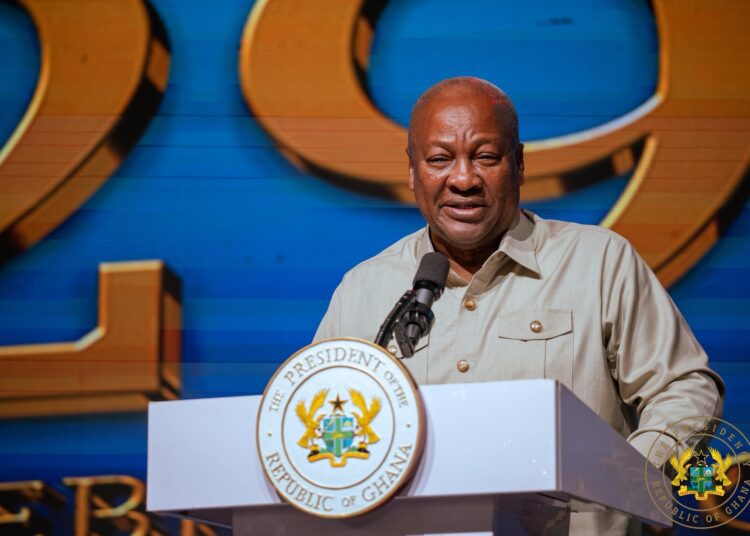
Speaking at the 29th Ghana Journalists Association (GJA) Awards held at the Manhyia Palace under the patronage of the Asantehene, Otumfuo Osei Tutu II, President Mahama said the transformational reforms being pursued are essential to restoring the moral and administrative foundations of the Republic.
Addressing a gathering of journalists, traditional leaders, policymakers, and dignitaries, the President outlined a series of institutional reforms intended to rebuild confidence in state institutions and ensure transparency in public administration.
He noted that the reset agenda is not merely a political slogan, but “a fundamental restructuring of how government must function to protect the national interest and uphold the values that define us as a people.”
He explained that a national anti-corruption framework, integrating procurement and expenditure monitoring systems, is a central pillar of the reform process. The framework, he said, is designed to strengthen transparency, streamline government transactions and reduce opportunities for corruption.
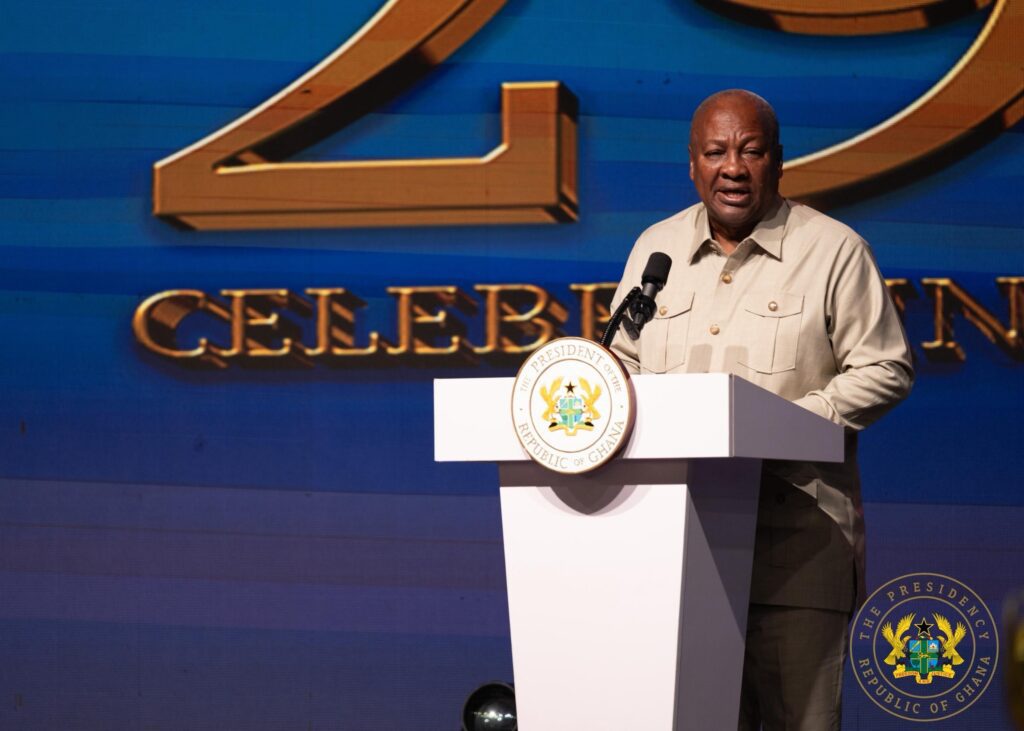
“We are restoring trust in public institutions through reforms that include a national anti-corruption framework integrating procurement and expenditure monitoring systems,” he emphasized, adding that a transparent system of public spending is essential for safeguarding public resources.
Civil Servants Rewarded for Merit, Productivity
President Mahama also highlighted major reforms targeting the civil service, one of the critical engines of government effectiveness. According to him, the introduction of a performance-based remuneration system will ensure that civil servants are rewarded for merit, productivity and commitment to national development objectives.
He said the reform is intended to boost efficiency and professionalism in the public sector. “A civil service paid for performance will reward merit and productivity,” he noted, stressing that a modern public service requires accountability at all levels.
A Reformed and Strengthened OSP
Another key component of the reset agenda is the restructuring and strengthening of the Office of the Special Prosecutor (OSP). President Mahama mentioned that the OSP will be reformed with enhanced prosecutorial powers to ensure it can function independently and effectively.
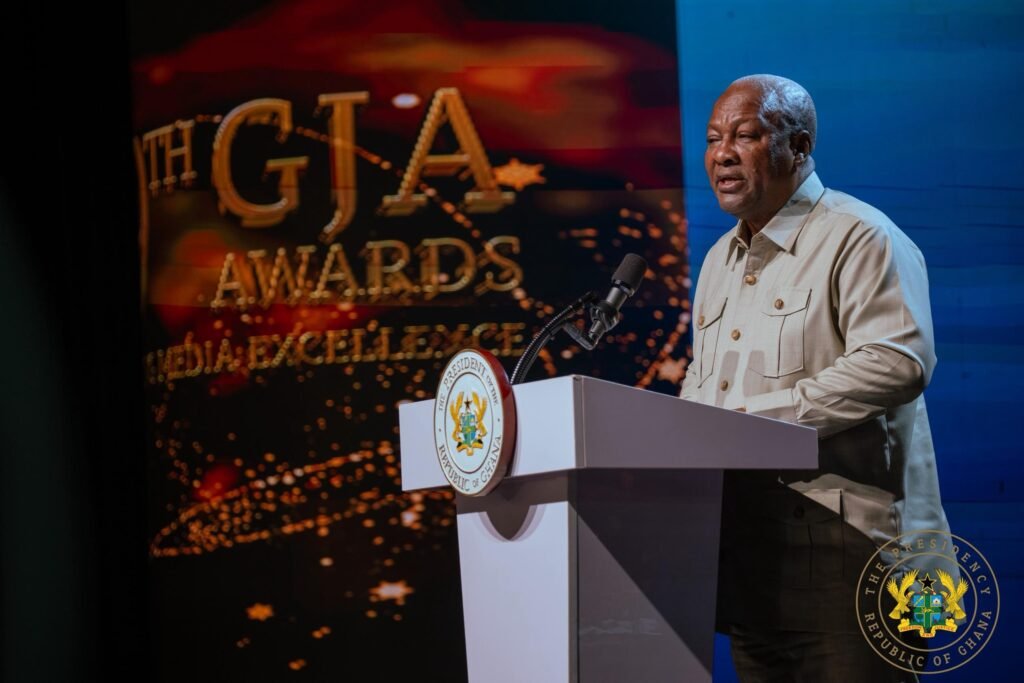
The measure, he said, is aimed at removing institutional bottlenecks that have weakened the fight against corruption. “A reformed Office of the Special Prosecutor with enhanced prosecutorial powers is essential to our collective effort to combat corruption,” he stated.
The President further disclosed ongoing efforts to digitise judicial processes under the Justice Sector Renewal Program, aimed at improving efficiency, reducing delays and enhancing access to justice.
He explained that digital tools will transform court procedures and ensure a more transparent justice system. Additionally, he announced a new legislative framework to regulate the divestiture of state assets, which will require parliamentary approval for any divestment exceeding a specified value.
This measure, he said, will protect the public interest and prevent misuse of state assets. “The introduction of a new law to regulate the divestiture of state assets is meant to ensure proper scrutiny and accountability,” President Mahama said.
Development Vision on People, Inclusive Growth and Sustainability
Beyond governance reforms, President Mahama also emphasized that the broader reset agenda reflects a development vision centred on people, inclusive growth and sustainability.
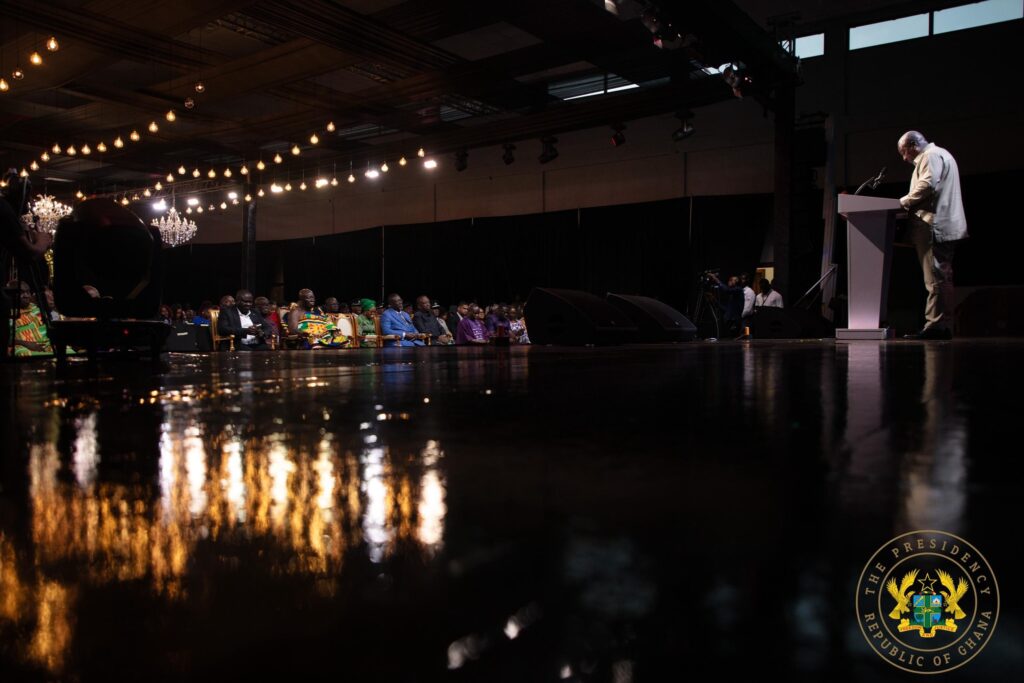
He described the 24-hour Economy Initiative as a key strategy for stimulating economic activity round-the-clock, creating jobs, supporting industry and enhancing logistics.
According to him, round-the-clock production and services are essential for a competitive modern economy. “Through the 24-hour Economy Initiative, we are stimulating production and service delivery, creating jobs and supporting industry,” he said.
President Mahama highlighted the Big Push Infrastructure Program as another major element of his administration’s development plan, with an investment of $10 billion in critical infrastructure, including roads, hospitals, and digital systems over a five year period.
He underscored the importance of these investments for economic transformation and improved public services. He further outlined the Feed Ghana Industry Program, which links agriculture to processing and exports to ensure value addition, boost food security, and support industrial development.

According to the President, all these initiatives reflect a moral vision for development—one that ensures Ghana’s economic progress does not compromise its values or its environment. “All these initiatives form part of a larger moral vision to ensure Ghana’s development never comes at the cost of its soul or its environment,” he said.
President Mahama ended his remarks by reaffirming the administration’s commitment to strengthening democratic governance and safeguarding the national interest. He expressed confidence that the reforms and development initiatives under the reset agenda will reposition Ghana on a path of integrity-driven growth and durable progress.
READ ALSO: ECG Launches “Operation All Must Pay” to Recover Unpaid Bills